Quick Facts
- The Statistics: A nationwide study of more than 1.2 million hospitalizations in the U.S. found that over 38% of patients with Irritable Bowel Syndrome (IBS) also had anxiety, a rate double that of the general population.
- The Serotonin Connection: Approximately 95% of the body's serotonin is produced in the gut rather than the brain, influencing both mood and digestive motility.
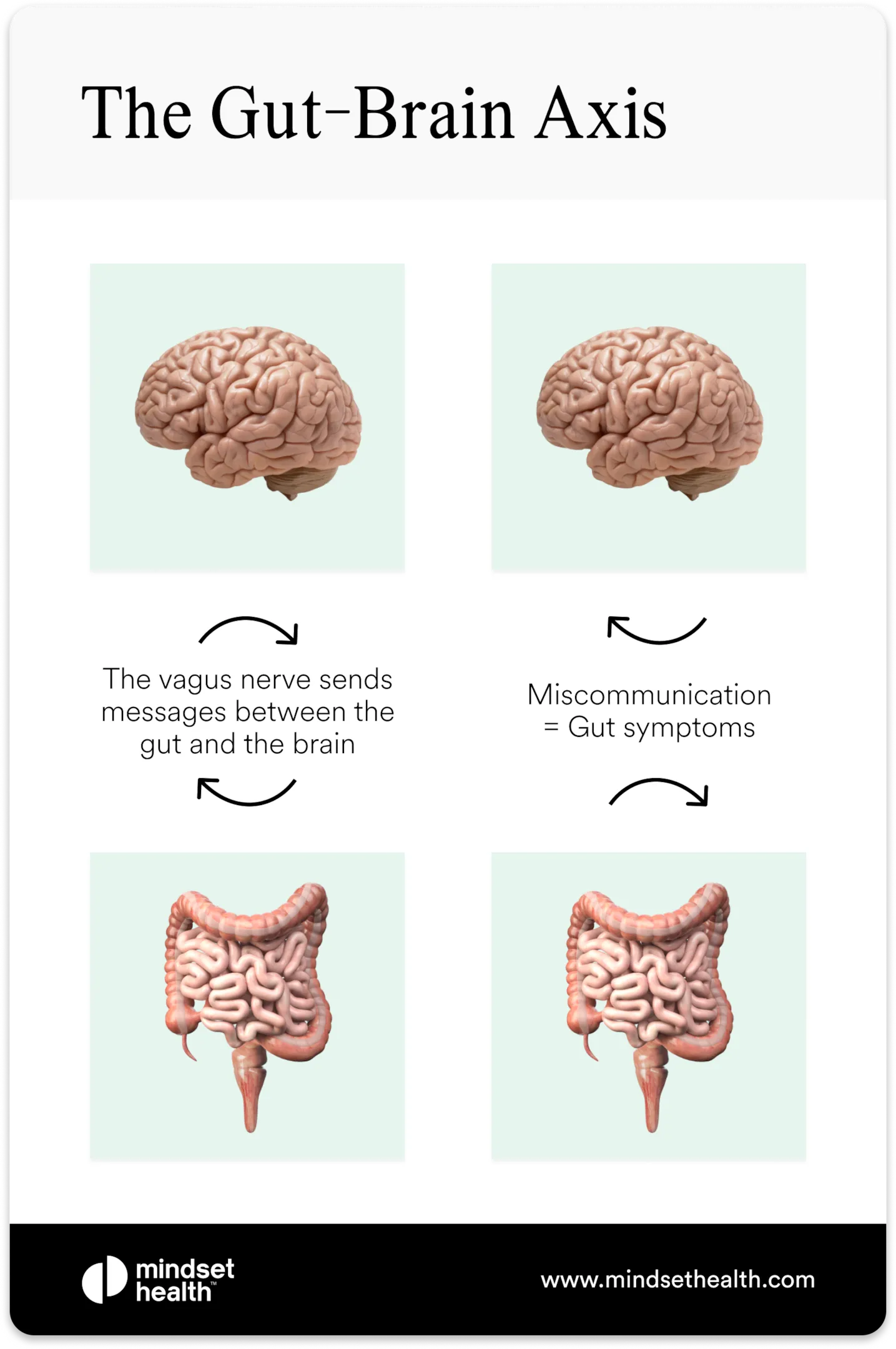
- Directional Flow: The vagus nerve acts as a superhighway, with 80-90% of its fibers sending signals upward from the gut to the brain, rather than the other way around.
- Visceral Hypersensitivity: Stress lowers the threshold for pain in the digestive tract, essentially "turning up the volume" on normal gut sensations until they become painful.
- Comorbidity Rates: Research suggests that approximately 39.1% of IBS patients experience anxiety symptoms, making them significantly more vulnerable to psychological distress.
- Multimodal Success: Combining dietary changes like the low-FODMAP diet with psychological interventions like cognitive behavioral therapy offers the best outcomes for long-term relief.
The connection between IBS and anxiety is rooted in the bidirectional communication of the gut-brain axis, where the enteric nervous system and central nervous system constantly exchange signals. This relationship means that psychological stress can directly trigger gastrointestinal symptoms, while chronic digestive pain increases hypervigilance and mental distress, creating a self-perpetuating cycle that requires addressing both the mind and the body.

The Science of the Gut-Brain Axis Connection
When I speak with patients who feel frustrated that their physical pain is being dismissed as "just stress," I start by explaining that their gut has its own brain. This is known as the enteric nervous system, a complex web of millions of neurons embedded in the lining of the gastrointestinal system. It doesn't write poetry or solve math problems, but it does manage the incredibly complex mechanics of digestion.
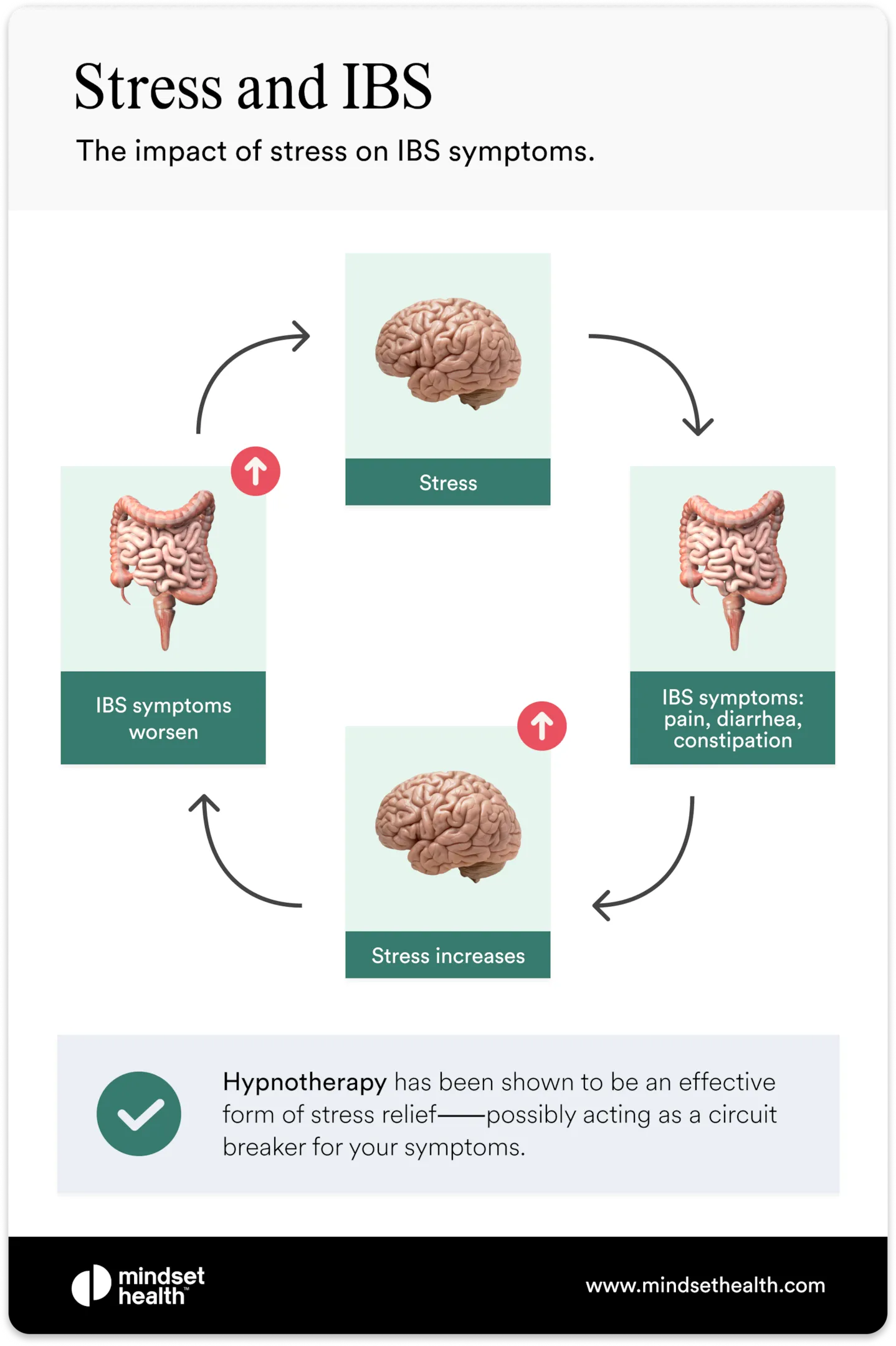
The gut-brain axis connection is the communication line between this second brain and the one in your skull. This is not a one-way street where the brain dictates everything to the body. Instead, it is a constant, bidirectional conversation. When you experience psychological stress, your central nervous system activates the HPA axis, releasing cortisol levels that prepare your body for a fight-or-flight response. In the gut, this can cause immediate changes in motility—either slowing things down or speeding them up—and altering intestinal permeability.
Furthermore, how gut-brain axis affects IBS and anxiety often manifests as visceral hypersensitivity. Imagine the nerves in your gut are like a microphone. In a healthy individual, the "volume" is set to a normal level, and the brain ignores the routine sounds of digestion. In someone with IBS and anxiety, the volume is turned all the way up. The brain becomes hyper-aware of every contraction and gas bubble, interpreting normal movement as intense pain. This creates a state of hypervigilance where the mind is constantly scanning the body for signs of a flare-up, which ironically creates the very stress that triggers the next episode.
Why it Happens: The Serotonin and Tryptophan Shunt
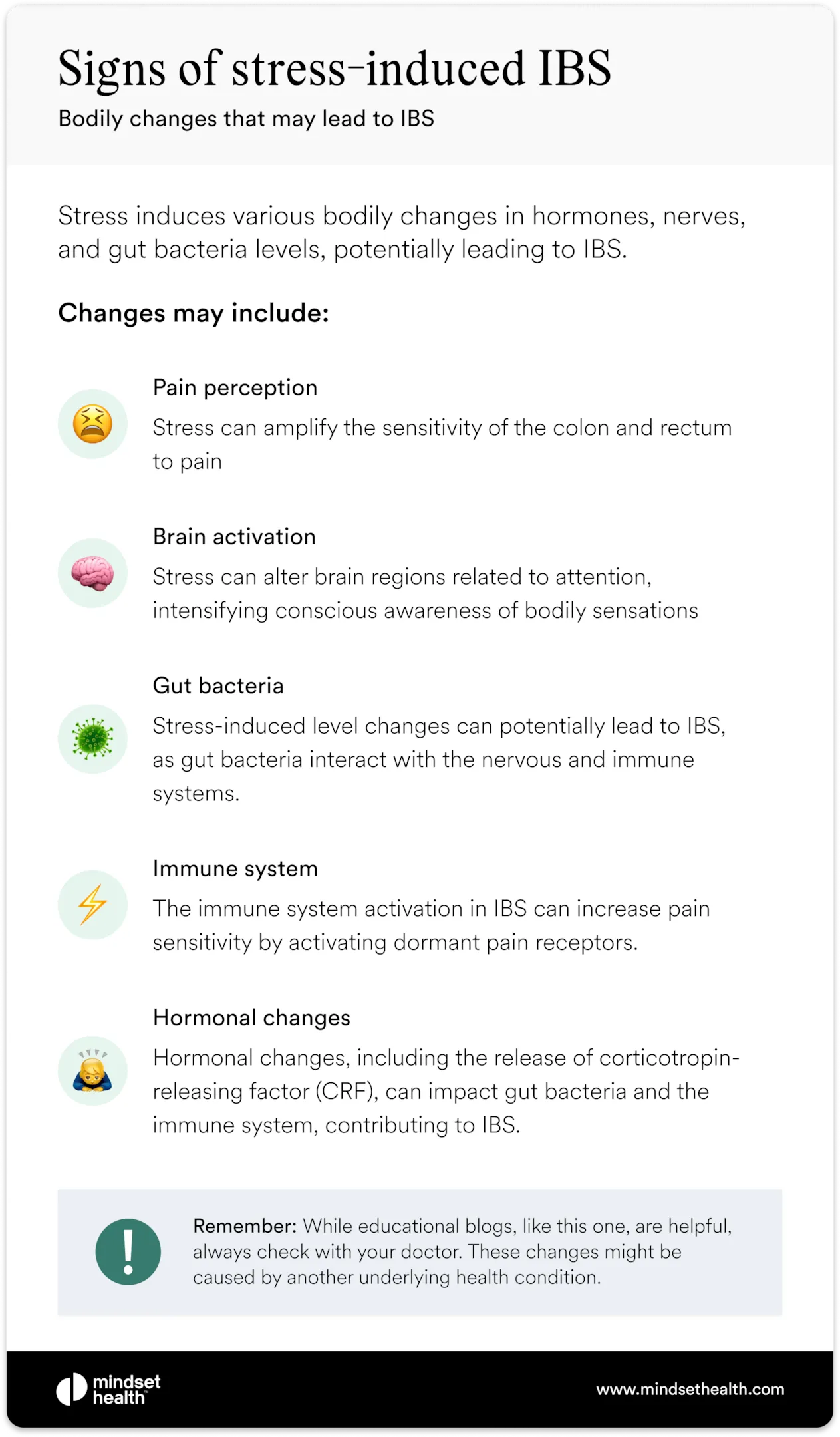
To understand the IBS and mental health link, we have to look at the chemistry of the gut. Most people think of serotonin as a brain chemical responsible for happiness. However, most serotonin production happens in the gut, where it regulates the rhythmic contractions of your intestines. When the gut environment is disrupted—often due to a lack of microbiome diversity—serotonin production can become erratic, leading to the unpredictable bathroom habits common in IBS.
There is also a fascinating biological "theft" that occurs during times of chronic stress, known as the Tryptophan-Kynurenine Shunt. Tryptophan is an amino acid that serves as a building block for serotonin. When the body is under high stress or dealing with low-grade gut inflammation, the body diverts tryptophan away from making serotonin and toward making kynurenine instead. This shift effectively reduces the amount of "happy chemicals" available to both your gut and your brain, contributing to the high rates of comorbid psychiatric conditions. In fact, studies show that up to 60% of patients with Irritable Bowel Syndrome also suffer from comorbid psychiatric conditions such as anxiety or depression.
Breaking the Cycle: Strategies for Managing IBS and Anxiety
If the connection is bidirectional, the treatment must be too. Relying solely on medication for the gut or solely on therapy for the mind often leaves patients in a state of partial recovery. Managing IBS and anxiety effectively requires a multidisciplinary approach that targets the nervous system from both ends.
One of the most effective tools for the psychological side is cognitive behavioral therapy for IBS and anxiety relief. This specific form of therapy helps patients identify emotional triggers for IBS gastrointestinal symptoms and restructure the "catastrophizing" thoughts that often accompany a flare-up. Instead of thinking, "I can't leave the house because I might have an accident," CBT helps patients develop a more resilient and realistic internal dialogue.
On the physical side, the low-FODMAP diet is a gold standard for reducing the "bottom-up" signals of distress. By reducing fermentable carbohydrates that cause bloating and irritation, you lower the amount of noise the gut is sending to the brain. When the gut is calm, the brain feels safer, and the overall anxiety levels often begin to drop.
| Intervention Type | Method | Primary Goal |
|---|---|---|
| Mind-Based | Cognitive Behavioral Therapy (CBT) | Restructure thoughts and reduce hypervigilance. |
| Mind-Based | Gut-Directed Hypnotherapy | Use visualization to desensitize the gut-brain link. |
| Body-Based | Low-FODMAP Diet | Reduce physical fermentation and osmotic pressure in the gut. |
| Body-Based | Vagus Nerve Stimulation | Activate the parasympathetic nervous system to "rest and digest." |
| Body-Based | Probiotics | Improve microbiome diversity to support serotonin production. |
To actively bridge these two worlds, I often recommend vagus nerve stimulation exercises for IBS and anxiety. The vagus nerve is the physical structure of the gut-brain axis. Simple techniques like deep diaphragmatic breathing, humming, or even splashing cold water on your face can help flip the switch from the "fight-or-flight" sympathetic state to the "rest-and-digest" parasympathetic state. This tells your brain that you are safe, which in turn tells your gut it can relax.

Understanding how to break the IBS anxiety cycle involves recognizing that your symptoms are real, biological, and manageable. By addressing the visceral hypersensitivity through mindfulness and the physical triggers through nutrition, you can begin to desensitize the feedback loop that has kept you stuck.

FAQ
Can anxiety cause IBS flare-ups?
Yes, anxiety can directly cause IBS flare-ups. When the brain perceives a threat, it sends signals through the gut-brain axis that can increase muscle contractions in the intestines and heighten sensitivity to pain. This biological reaction can lead to immediate symptoms like cramping, urgency, or diarrhea.
Does IBS cause anxiety or does anxiety cause IBS?
It is rarely just one or the other; rather, they exist in a bidirectional signaling loop. While a stressful life event can trigger the onset of IBS, the chronic pain and social unpredictability of IBS can also cause a person to develop significant anxiety. They feed into each other, making the original cause less important than the current cycle of symptoms.
What is the gut-brain connection in IBS?
The gut-brain connection in IBS refers to the constant communication between the central nervous system and the enteric nervous system. In patients with IBS, this communication is often dysfunctional, leading to visceral hypersensitivity where the brain overreacts to normal digestive processes, and the gut overreacts to psychological stress.
How do you calm an IBS flare-up from anxiety?
To calm a flare-up triggered by anxiety, focus on grounding the nervous system. Diaphragmatic breathing is one of the most effective tools to stimulate the vagus nerve and signal the body to exit the fight-or-flight mode. Complementing this with gentle heat on the abdomen and avoiding high-FODMAP trigger foods can help settle the physical distress.
Can therapy help manage IBS symptoms?
Therapy is an evidence-based treatment for IBS. Specifically, cognitive behavioral therapy and gut-directed hypnotherapy have been shown in numerous clinical trials to reduce the severity of GI symptoms by helping patients manage stress, reduce hypervigilance, and change how the brain interprets signals from the gut.
Conclusion
The journey to wellness when dealing with IBS and anxiety is rarely a straight line, but it is one grounded in scientific reality. By acknowledging the power of the gut-brain axis connection, we move away from the stigma that these symptoms are imaginary and toward a model of care that honors the whole person. Whether through microbiome diversity, vagus nerve work, or cognitive restructuring, the goal is the same: to foster resilience in both the mind and the body. Remember, your gut is listening to your brain, and your brain is listening to your gut. Learning how to help them speak a more peaceful language to one another is the key to lasting relief.