Quick Facts
- The 10% Rule: Losing 7-10% of body weight can double metabolic efficiency and significantly enhance how your body processes fuel.
- The 60% Remission: Dropping 20 or more pounds increases the probability of type 2 diabetes remission to roughly 60% by restoring pancreatic function.
- The Cellular Threshold: Fat cells trigger systemic inflammation and shut down nutrient intake when their size exceeds 100 micrometers.
- The Primary Marker: High insulin sensitivity is the gold standard for metabolic health, ensuring energy is used for movement rather than stored in tissues.
- The Resistance Link: The American Heart Association reports that approximately 70% of individuals with obesity also have insulin resistance.
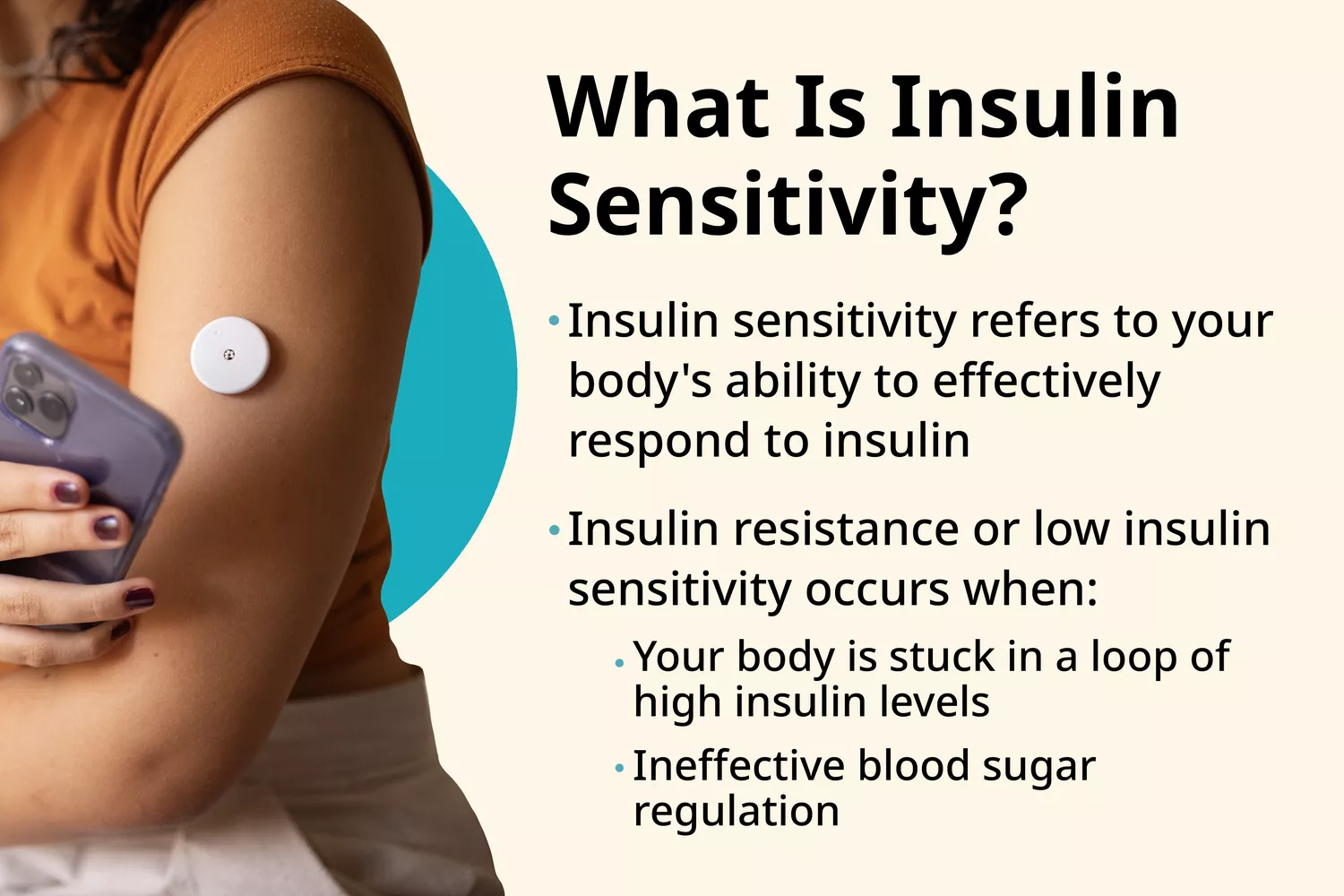
Insulin sensitivity is the efficiency with which your body uses insulin to transport glucose into cells. High insulin sensitivity allows the body to use glucose effectively, keeping blood sugar stable and reducing the need for excess insulin production. When sensitivity is low, or insulin resistance occurs, the body stores more fat, particularly visceral adiposity, and struggles to access stored energy. Improving sensitivity helps lower circulating insulin levels, which facilitates fat burning and enhances metabolic flexibility.
The Spectrum of Metabolic Health: High, Normal, and Low
To understand why some people can eat a bowl of pasta without gaining an ounce while others feel bloated after a single slice of bread, we have to look at the train conductor of our metabolism: insulin. Think of insulin as the conductor responsible for moving passengers (glucose) off the tracks and into the right stations (your muscle and liver cells).
When you have high insulin sensitivity, the conductor is alert and efficient. The doors open quickly, and glucose moves smoothly into cells to be used for energy. This state is the ultimate goal for athletic performance and longevity. A normal state serves as the baseline health benchmark, where your body maintains glycemic control without much effort. However, when sensitivity drops, the conductor becomes sluggish. The doors stay shut, and the passengers remain on the tracks. To fix this, the body sends more and more conductors (higher insulin levels), leading to a state of hyperinsulinemia.
Clinical researchers categorize metabolic health through specific benchmarks. If your HbA1c testing shows a level below 5.7% and your fasting plasma glucose remains between 70-99 mg/dL, you are likely in the healthy range. When these numbers creep higher, it indicates that your pancreatic beta cells are working overtime to compensate for a lack of response at the cellular level.
Clinical Benchmarks for Metabolic Health
- Fasting Plasma Glucose (FPG): 70–99 mg/dL (Optimal)
- HbA1c: Below 5.7% (Healthy)
- HOMA-IR Index: Below 1.0 (High Sensitivity); Above 1.9 (Early Resistance)
The Biological Blockage: Why Fat Cells Stop Responding
One of the most fascinating concepts in modern nutrition science is the personal fat threshold. We each have a genetic limit for how much fat our subcutaneous tissues can safely hold. Once we exceed this limit, fat cells undergo hypertrophy, growing until they hit the 100-micrometer oxygen limit. At this size, the cells become distant from blood vessels and experience hypoxia, or a lack of oxygen.
This cellular stress triggers a cascade of inflammation. Specialized proteins known as IKKβ and JNK kinases are released, which effectively "gum up" the locks on your cells. This is the primary mechanism of resistance. Even if you have plenty of insulin, the signals cannot get through.
Furthermore, when subcutaneous storage is full, the body begins depositing fat in places it doesn't belong, such as the liver and around internal organs. This visceral adiposity is metabolically active and dangerous. It releases inflammatory cytokines that directly block skeletal muscle glucose uptake. Because your muscles are the primary site for burning glucose, this blockage creates a metabolic syndrome cycle where you are tired because your cells are starving, yet you are gaining weight because your insulin levels are stuck in "store" mode.
Identifying the Signs: When Sensitivity Fails
While many people rely solely on BMI to judge their health, it is a blunt instrument that misses the nuances of metabolic flexibility. You can be at a "normal" weight and still suffer from the early warning signs of insulin resistance and weight gain.
The most common signs of insulin resistance include increased abdominal fat, persistent fatigue (especially after meals), and intense cravings for sugary or high-carb foods. If you find yourself hitting a wall at 3:00 PM every day or feeling like you need a nap after a high-carb lunch, your body is likely struggling with postprandial spikes.
For many patients, tracking insulin sensitivity progress through glucose monitoring provides much more clarity than the scale. Using the HOMA-IR index—a calculation based on fasting insulin and glucose—can reveal issues years before they show up on a standard blood sugar test.
We also see unique challenges for specific demographics. For example, weight loss strategies for insulin resistant women over 40 must account for the drop in estrogen, which naturally decreases insulin sensitivity. During this life stage, the body becomes less forgiving of refined sugars, making glycemic control the most important factor for maintaining a healthy waistline.
Natural Strategies to Improve Insulin Sensitivity
The good news is that metabolic health is not a fixed state. You can learn how to improve insulin sensitivity through strategic changes to your lifestyle. It starts with the understanding that every meal and every movement is a signal to your cells.
Prioritize Protein and Dietary Fiber
Stabilizing blood sugar is the first step toward reversing metabolic dysfunction. Dietary fiber acts as a physical buffer, slowing down the absorption of sugar into the bloodstream. Combined with a focus on protein intake, this helps keep insulin levels low and stable. In a randomized controlled trial, participants with low baseline insulin sensitivity lost 6.2 pounds (2.7 kg) more fat mass on a low-carbohydrate diet compared to those on a low-fat diet. This suggests that for those already struggling with resistance, reducing carbohydrate load is often more effective than traditional calorie cutting.
The Power of Resistance Training
If diet is the fuel, exercise is the engine. While cardio is great for heart health, resistance training is the gold standard for improving skeletal muscle glucose uptake. When you lift weights, your muscles can pull glucose from the bloodstream even without insulin. This "non-insulin mediated" uptake helps clear the tracks and gives your pancreas a break. Furthermore, strength training encourages mitochondrial biogenesis—the creation of new power plants within your cells—which significantly boosts your metabolic rate.
Daily Habits and Intermittent Fasting
Consistency is key when looking for daily habits to lower insulin levels and burn fat. Practicing intermittent fasting, such as an 8-hour eating window, gives your body prolonged periods where insulin is at its baseline. This allows the body to access stored fat for fuel, improving your metabolic flexibility. Sleep hygiene is equally critical; even a single night of poor sleep can induce a temporary state of insulin resistance the following day.
Nature vs. Nurture: The Genetic Context
It is important to acknowledge that genetics do play a role. Some people carry variants of the TCF7L2 gene, which can make them more predisposed to insulin resistance and weight loss struggles. Others may experience leptin resistance, where the brain doesn't receive the "full" signal, leading to overeating.
However, genetics are not destiny. Think of your genes as the "blueprint" and your lifestyle as the "builder." You might have a blueprint that is prone to metabolic issues, but by using the best resistance training exercises for insulin sensitivity and maintaining a high-fiber diet, you can prevent those genetic traits from being expressed. Research from Washington University indicates that combining a 10% reduction in body weight with regular exercise can more than double insulin sensitivity compared to achieving weight loss through diet alone. This "nurture" approach effectively overrides the "nature" of a slow metabolism.
FAQ
What is insulin sensitivity and why is it important?
Insulin sensitivity is a measure of how responsive your cells are to the hormone insulin. It is important because it dictates whether your body uses the food you eat for immediate energy or stores it as body fat. High sensitivity is a marker of a healthy, flexible metabolism.
How can I improve my insulin sensitivity naturally?
You can improve sensitivity by focusing on whole foods rich in dietary fiber, prioritizing lean protein, and engaging in regular resistance training. Daily habits like getting seven to nine hours of sleep and practicing time-restricted feeding also support healthy insulin levels.
What are the symptoms of low insulin sensitivity?
Common symptoms include carrying excess weight around the midsection, feeling unusually tired after eating, frequent hunger even after meals, and skin changes like dark patches in skin folds.
How is insulin sensitivity different from insulin resistance?
They are two sides of the same coin. Insulin sensitivity describes how well the body responds to the hormone, while insulin resistance describes a state where the body ignores the hormone's signals, leading to high blood sugar and increased fat storage.
Does weight loss improve insulin sensitivity?
Yes, weight loss is one of the most effective ways to restore metabolic health. Losing just 7% to 10% of your total body weight can significantly reduce inflammation in fat cells and allow your insulin to work more effectively.
What type of exercise is best for insulin sensitivity?
While all movement helps, resistance training and high-intensity interval training (HIIT) are particularly effective. These forms of exercise increase the glucose receptors in your muscles, allowing them to clear sugar from your blood more efficiently.
Conclusion: Your 7% Target
The journey to better health often feels overwhelming, but the science points to a very specific, achievable starting point: the 7% target. By focusing on losing just 7% to 10% of your current body weight through a combination of muscle-building exercise and blood-sugar-stabilizing nutrition, you can effectively "reset" your metabolic engine.
Improving insulin sensitivity is the secret key to losing weight because it shifts your body from a state of chronic storage to a state of active burning. Instead of fighting against your biology with extreme calorie restriction, you are working with your biology to restore metabolic flexibility. Prioritize your muscle mass, track your glucose trends, and remember that every healthy choice is a step toward unlocking your body’s true energy potential.