Quick Facts
- The 5-Minute Rule: Adding five minutes of heart-rate-raising exercise daily can lower systolic blood pressure by 0.68 mmHg and diastolic blood pressure by 0.54 mmHg.
- The Sweet Spot: Replacing sedentary time with 20 to 27 minutes of vigorous activity yields the most significant clinical improvements for cardiovascular health.
- Intensity is Key: Benefits are tied to high-intensity effort; low-intensity movements like casual walking show negligible impact on resting blood pressure.
- Risk Threshold: If your systolic blood pressure is consistently above 160 mmHg, you must seek medical clearance before starting an intense exercise routine.
- Long-term Gains: Consistent adherence to high-intensity training can potentially reduce systolic pressure by up to 12 mmHg over a twelve-week period.
Recent research indicates that adding as little as five minutes of vigorous physical activity to a daily routine can help lower both systolic and diastolic blood pressure. Activities such as cycling, running, or inclined walking that significantly increase the heart rate are most effective for these gains. While a five-minute burst provides a measurable benefit, evidence suggests that extending this duration to 10 or 20 minutes yields even greater clinical improvements in cardiovascular health. Using a lower blood pressure exercise strategy focused on intensity rather than just duration is a game-changer for men looking to optimize their longevity.
The Science of 5-Minute Bursts for Hypertension
For decades, the standard advice for heart health was focused on volume: 150 minutes of moderate activity per week. However, new clinical data is shifting the focus toward intensity. A landmark 2024 study published in the journal Circulation, involving over 14,000 participants, discovered that lower blood pressure exercise doesn't necessarily require hours at the gym. Instead, small "snacks" of vigorous physical activity for hypertension can result in measurable drops in pressure readings.
The study found that adding just five minutes of heart-rate-raising exercise to a daily routine can lower systolic blood pressure by 0.68 mmHg and diastolic blood pressure by 0.54 mmHg. While these numbers might seem small in isolation, they represent a significant shift in vascular health. On a population level, a 2 mmHg reduction in systolic pressure and a 1 mmHg reduction in diastolic pressure are associated with an approximate 10% decrease in the risk of cardiovascular disease.
The physiological reason behind this involves arterial stiffness and the body’s ability to handle stress. When you engage in intense movement, your heart must pump more vigorously, which temporarily increases the pressure on your arterial walls. Over time, this stress leads to an adaptation where the arteries become more elastic. This improved elasticity reduces the resistance to blood flow, effectively lowering your resting blood pressure. Furthermore, intense movement improves your VO2 max, which is one of the most powerful predictors of long-term longevity and cardiac conditioning.
Contrast this with sedentary behavior, which is a primary driver of hypertension. When we sit for long periods, our blood vessels lose their flexibility. The research estimated that replacing sedentary behaviors with approximately 20 to 27 minutes of vigorous activity per day could lead to a clinically significant reduction in blood pressure. The message is clear: if you want to protect your heart, you need to find ways to get your heart rate up, even if only for a few minutes at a time.
Choosing Your Protocol: HIIT vs. VILPA
When implementing a 5 minute vigorous exercise routine for blood pressure, there are two primary approaches you can take depending on your lifestyle and access to equipment. Both methods prioritize reaching a high heart rate, which is the necessary catalyst for improving systolic pressure and diastolic pressure.
High intensity interval training for high blood pressure (HIIT) is the most structured approach. This usually involves 30 to 60 seconds of maximal effort followed by a short recovery period. For men with access to a gym or home equipment, cycling or running on a treadmill are ideal choices. Using an inclined walking strategy on a treadmill can be particularly effective, as the incline forces the heart to work significantly harder than walking on a flat surface, creating a more pronounced impact of inclined walking on systolic blood pressure.
For those who are constantly on the move, Vigorous Intermittent Lifestyle Physical Activity (VILPA) is a more accessible model. VILPA refers to short bursts of intense activity that occur during daily life, such as climbing three flights of stairs rapidly, carrying heavy groceries for a block, or sprinting to catch a train. The key is that the effort must be enough to make you feel out of breath.
To ensure you are reaching the correct level of intensity, I recommend using wearable trackers to monitor exercise intensity for hypertension. These devices provide real-time data on your heart rate, allowing you to see if you have crossed the threshold into the vigorous zone. For most men, this means reaching at least 70% to 85% of your maximum heart rate.
| Activity Type | Intensity Level | Primary Benefit | Best For |
|---|---|---|---|
| Moderate (MICT) | 50-70% Max HR | General endurance | Beginners, active recovery |
| HIIT | 80-95% Max HR | Rapid reduction in arterial stiffness | Fitness enthusiasts with equipment |
| VILPA | 75-90% Max HR | Time-efficient BP management | Busy professionals, incidental movement |
| Low Intensity | <50% Max HR | Basic mobility | Negligible impact on resting BP |
Incorporating intense exercise into a busy schedule doesn't mean you need to change into gym clothes five times a day. It means choosing the stairs over the elevator or doing a quick set of air squats before your next Zoom call. These short bursts of exercise for heart health accumulate over the day, leading to the same vascular benefits as a longer, continuous workout.
Safety and Implementation: When to Start Slow
While the benefits of vigorous movement are substantial, safety must remain your primary concern, especially if you are currently managing a diagnosis of hypertension. High intensity interval training for beginners with hypertension requires a calculated approach to avoid overstressing the cardiovascular system too quickly.
Before you begin, you should establish your baseline. Clinical guidelines suggest that anyone with a resting blood pressure higher than 160/100 mmHg should consult a healthcare professional before attempting any form of high-intensity activity. At this level, the temporary spike in pressure that occurs during intense effort could pose an immediate risk.
Warning: The 160 mmHg Threshold If your systolic pressure is 160 mmHg or higher, or your diastolic pressure is 100 mmHg or higher, do not engage in vigorous bursts without medical clearance. Your physician may recommend starting with medication or moderate activity first to bring your baseline into a safer range.
For those in the safe range, knowing how to start vigorous physical activity for hypertension safely is the next step. Begin by adding just one or two minutes of intensity to your day and monitor how your body responds. You don’t need to go from zero to a full HIIT session overnight. Start with inclined walking for two minutes, or take the stairs at a brisk pace once a day.
Even for a five-minute burst, a brief one-minute warm-up of light movement can help prepare your heart and blood vessels for the coming effort. As your fitness improves, you can gradually increase the duration. While five minutes is the minimum dose, clinical data shows that extending this to 10 or 20 minutes provides even more meaningful improvements in vascular health and general cardiac conditioning.

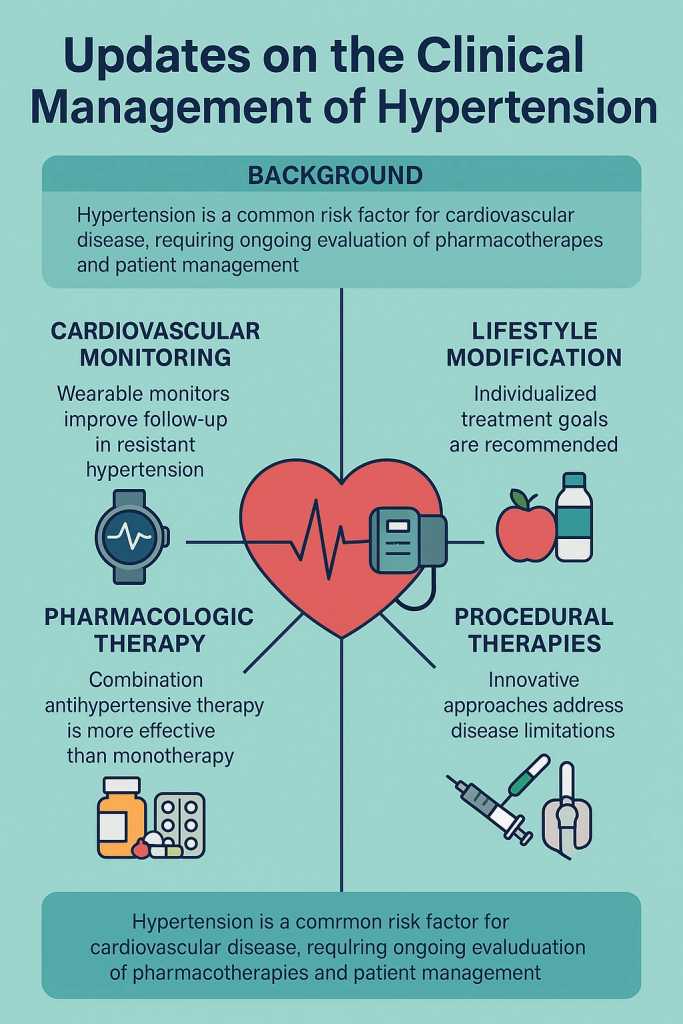
Managing your blood pressure is a multi-faceted process. While the 5-minute strategy is incredibly effective, it works best when combined with a broader lifestyle intervention strategy. This includes monitoring your sodium intake, managing stress, and ensuring you are getting proper nutrition to support your cardiovascular system.
FAQ
What is the best exercise to lower blood pressure quickly?
The most effective way to see a rapid change in your vascular health is through activities that reach a high heart rate. Running, fast cycling, and high-intensity interval training are excellent because they force the heart to adapt and improve the elasticity of your arteries. However, the best exercise is the one you can perform consistently with enough intensity to make you feel out of breath for short periods.
Is walking as effective as running for lowering blood pressure?
While walking is great for general health, it is typically not as effective as running for lowering blood pressure unless it is done at a very high intensity. For walking to have a similar impact, it should be done on a steep incline or at a pace that significantly elevates your heart rate. Standard, low-intensity walking has a negligible effect on resting blood pressure compared to vigorous activity.
How long does it take to see results in blood pressure from exercise?
You may see small, immediate drops in blood pressure for several hours after a vigorous workout, known as post-exercise hypotension. However, for permanent, clinically significant changes in your resting blood pressure, consistency is key. Most studies show that it takes approximately eight to twelve weeks of regular vigorous activity to see a lasting reduction in your baseline readings.
Are there specific exercises that should be avoided with hypertension?
If your blood pressure is already very high, you should avoid heavy isometric exercises, such as heavy weightlifting where you hold your breath (the Valsalva maneuver). This can cause a dangerous spike in pressure. Similarly, any activity that puts your head below your heart for extended periods should be approached with caution until your blood pressure is better controlled.
How often should I exercise to keep my blood pressure under control?
Consistency is more important than duration. Research suggests that daily "snacks" of vigorous activity—even just five to ten minutes—are more effective for long-term blood pressure management than doing one long workout once a week. Aim to incorporate at least five minutes of high-intensity movement into your schedule every single day to maintain the vascular adaptations.
Lowering your blood pressure and extending your longevity doesn't require a radical lifestyle overhaul. By mastering the 5-minute strategy and prioritizing intensity, you can take control of your heart health one burst at a time. Start your first five-minute session today, monitor your progress with a tracker, and consult with your doctor to build a personalized plan for long-term vitality.