Quick Facts
- Target Level: Aim for less than 150 mg/dL (1.7 mmol/L) as defined by the American Heart Association for a normal lipid panel.
- The 70/30 Rule: Clinical evidence suggests lifestyle habits for better heart health can drive up to a 70% reduction in levels, with consistent exercise contributing 30% of that progress.
- Weight Impact: Losing just 5% to 10% of total body weight can result in a significant 20% reduction in triglyceride levels.
- The 15g Rule: If your levels exceed 500 mg/dL, limit your fat intake to 15g per meal to reduce the immediate risk of pancreatitis.
- Rescue Threshold: For cases of severe hypertriglyceridemia (above 10 mmol/L), a very strict limit of less than 25g of fat per day is often required.
- Prevalence: Currently, approximately 25.1% of United States adults aged 20 and over have elevated levels of 150 mg/dL or higher.
High triglycerides can increase your risk of heart disease and pancreatitis, but targeted lifestyle changes can reduce levels by up to 70%. To lower triglycerides effectively, focus on reducing sugar, increasing physical activity, and choosing heart-healthy fats. Adopting a diet rich in soluble fiber and omega-3s while strictly limiting added sugars and alcohol intake is the most effective natural approach.
Dietary Strategies: Eating for a Healthier Lipid Panel
When we look at nutrition science, the first step to address hypertriglyceridemia is identifying where excess energy is coming from. Triglycerides are essentially the form in which our body stores excess calories. When you consume more energy than you need—particularly from refined sources—the liver converts those calories into triglycerides to be stored in fat cells.
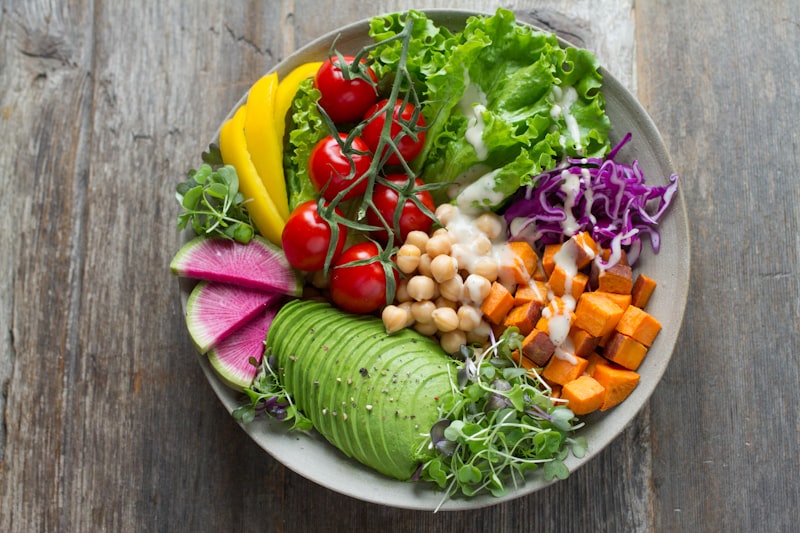
The most impactful change you can make is shifting your focus toward complex carbohydrates. Refined grains and white sugars trigger a rapid spike in blood glucose, leading to a surge in insulin. Since insulin sensitivity plays a major role in how our bodies process fats, choosing high-fiber legumes, oats, and whole-wheat cereals helps stabilize these levels. Soluble fiber is particularly effective as it binds to bile acids and helps the body clear lipids more efficiently.
Making the Swap: Saturated vs. Polyunsaturated Fats
One of the most common misconceptions is that you must eliminate all fat to manage your lipid panel. In reality, the difference between saturated and polyunsaturated fats for heart health is profound. While saturated fats found in butter and red meat can contribute to elevated levels, polyunsaturated fats—specifically those found in oily fish and flaxseeds—actually help lower triglycerides.
Omega-3 fatty acids are a powerhouse in this regard. They reduce the liver's production of very-low-density lipoprotein (VLDL), which is the primary carrier of triglycerides in the blood. For those seeking dietary tips for high triglycerides, I recommend a Mediterranean diet approach: focus on olive oil, nuts, and at least two servings of fatty fish per week.

Avoid vs. Alternative: Smart Food Choices
| Avoid (High Triglyceride Impact) | Healthier Alternative |
|---|---|
| Sugar-sweetened beverages and sodas | Sparkling water with a squeeze of lime |
| White bread and processed pastries | Sprouted grain bread or steel-cut oats |
| Coconut oil and palm oil | Extra virgin olive oil or avocado oil |
| High-sugar processed snacks | Low fat snacks for people with high triglycerides like air-popped popcorn or raw almonds |
| Heavy cream and full-fat cheese | Low-fat Greek yogurt or small amounts of feta |
Lifestyle Habits for Long-Term Reduction
Beyond the plate, your daily movement and weight management strategies are fundamental pillars of cardiovascular health. Research from the American Heart Association indicates that every 1 mmol/L reduction in triglyceride levels is associated with an 8% to 21% lower risk of major cardiovascular events.
Aerobic physical activity is the most effective form of exercise for lipid management. When you engage in brisk walking, swimming, or cycling, your muscles use the triglycerides in your bloodstream for energy. Aim for at least 150 minutes of moderate-intensity exercise per week. Consistency is key here; regular movement improves how your body responds to insulin, preventing the liver from overproducing fats.

The Role of Weight and Alcohol
Weight loss tips specifically for lowering triglycerides often focus on visceral fat—the fat stored around your midsection. This type of fat is metabolically active and directly influences lipid production. Even modest weight loss can have a "multiplier effect" on your heart health markers.
Furthermore, we must discuss the impact of sugar and alcohol on triglyceride levels. Alcohol is uniquely potent because it is processed by the liver and can significantly increase the production of triglycerides while slowing down their clearance from the blood. For some individuals, even small amounts of alcohol can cause a dramatic spike in levels. If you are struggling with high numbers, eliminating alcohol entirely for 30 days is often the fastest way to see a measurable improvement.
Effectiveness Metrics Box
- Weight Loss (5-10%): ~20% reduction in triglycerides.
- Exercise (150 min/week): ~15-30% reduction.
- Omega-3 Supplementation: ~20-50% reduction (depending on dose).
- Cutting Added Sugar: ~10-25% reduction.
Natural Remedies and Supplements
For many, the question of how to lower triglycerides without medication leads them to the supplement aisle. The most evidence-based natural remedies for lowering triglycerides are concentrated omega-3 fatty acids. These can be sourced from fish oil or algae-based supplements for those on a plant-based diet. Clinical studies show that high doses of EPA and DHA can lower levels by up to 50% in patients with very high readings.
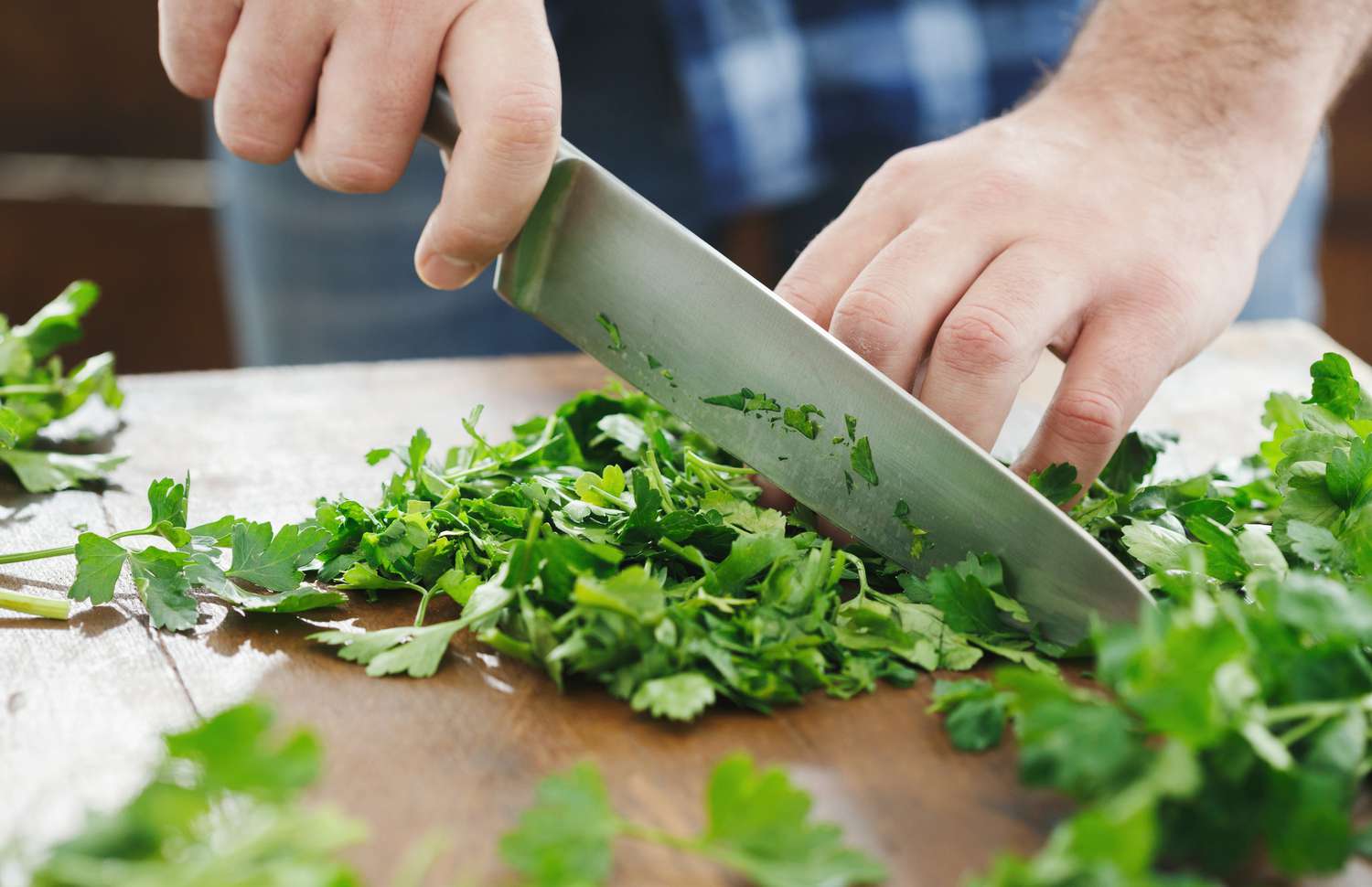
There is also interesting botanical research regarding traditional ingredients. For example, coriander is often cited in heart health discussions. However, it is important to distinguish the botanical specificity: coriander seeds are often used for their mineral density and potential impact on lipid metabolism, while cilantro (the leaves) provides essential vitamins. While these are great additions to a heart-healthy diet, they should complement, not replace, the core dietary changes mentioned above.
When natural efforts aren't enough, medical professionals may prescribe Statins or fibrates. These are typically considered when lifestyle interventions have been exhausted or when the patient has a very high risk of cardiovascular disease. It is also important to maintain healthy levels of HDL cholesterol (the "good" cholesterol), as it helps transport triglycerides and LDL away from the arteries and back to the liver.
Understanding the Risk: Triglycerides vs. Plaque
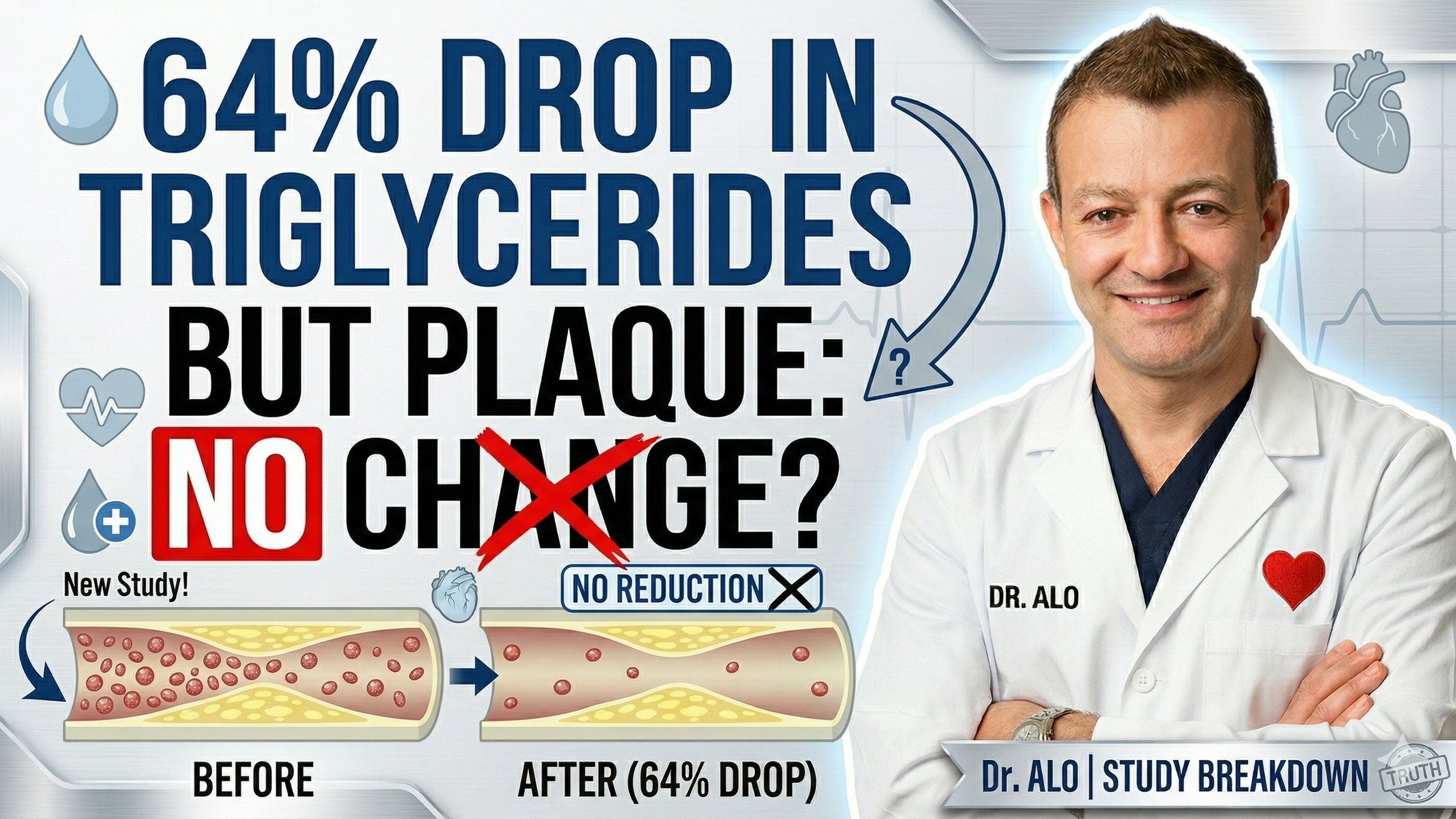
It is vital to understand where triglycerides fit into the broader picture of heart health. While high triglycerides are a marker for metabolic syndrome and increase the risk of pancreatitis, they are often a "passenger" rather than the sole driver of arterial plaque.
The primary drivers of plaque volume in the arteries are usually ApoB-containing lipoproteins and LDL cholesterol. However, high triglycerides often signal the presence of small, dense LDL particles, which are more likely to get trapped in the arterial walls. Therefore, while we focus on lowering triglycerides to improve metabolic health, a comprehensive plan must address the entire lipid profile to ensure long-term cardiovascular disease prevention.
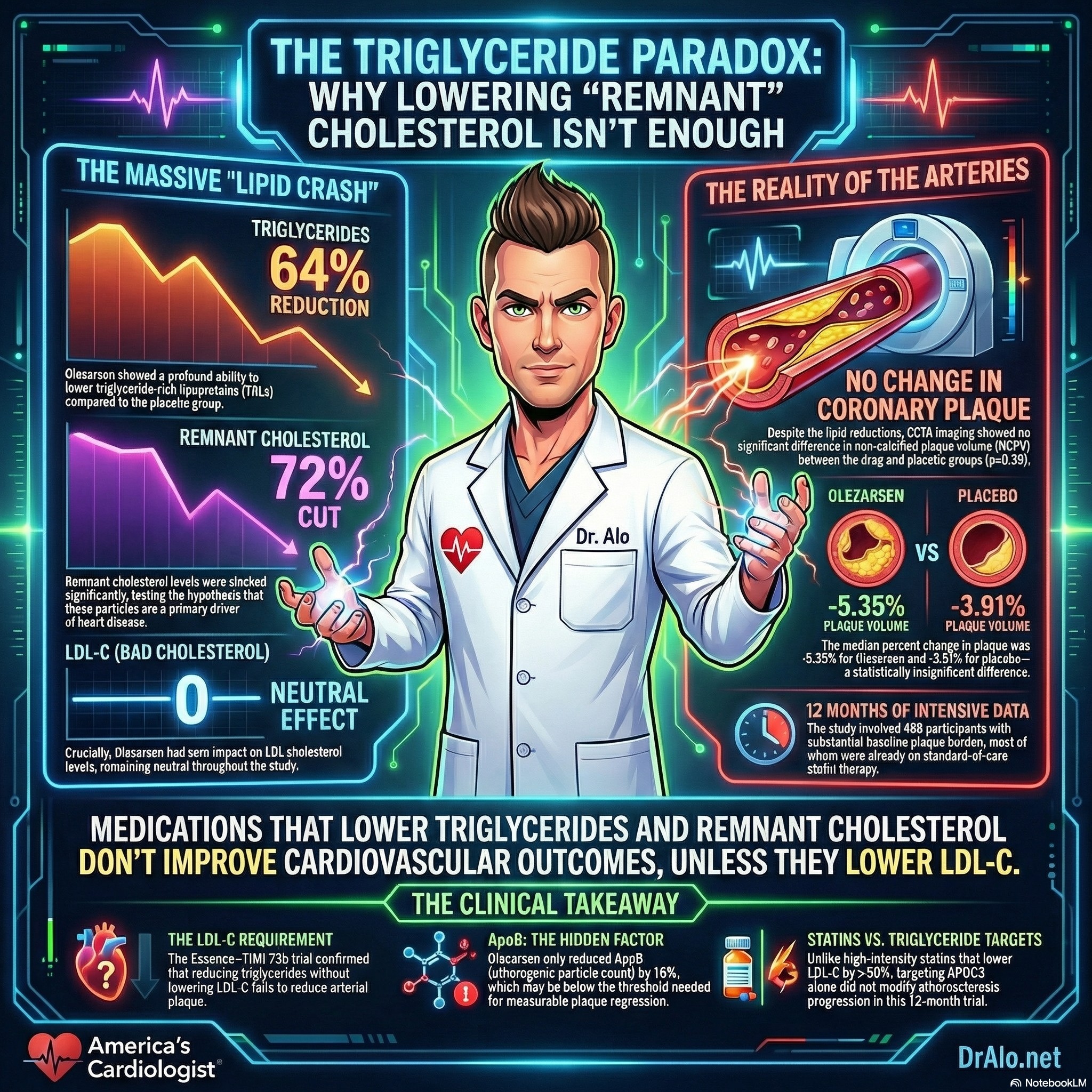
If you have other conditions like diabetes or kidney disease, managing your triglycerides becomes even more critical, as these conditions can exacerbate the buildup of fats in the blood. Always consult with a healthcare professional for a full lipid panel to determine the best course of action for your specific needs.
FAQ
How can I lower my triglycerides quickly?
The fastest way to see a drop in levels is to strictly eliminate added sugars and alcohol for two to four weeks. During this time, replacing refined carbohydrates with high-fiber vegetables and incorporating daily aerobic exercise can lead to significant improvements in a relatively short window.
What foods should I avoid if my triglycerides are high?
You should primarily avoid foods with high concentrations of added sugars, such as sodas, candy, and sweetened yogurts. Additionally, limit refined white flour products and trans-fatty acids found in many processed snacks and fried foods. Alcohol should also be avoided or strictly limited.
Can triglycerides be lowered without medication?
Yes, many individuals can successfully lower triglycerides through lifestyle interventions alone. The combination of weight loss, a Mediterranean-style diet, increased physical activity, and omega-3 fatty acids and triglyceride reduction benefits can often bring levels back into the normal range without the need for prescriptions.
Does exercise help reduce triglycerides?
Absolutely. Exercise helps the body use up stored and circulating fats for energy. Consistent aerobic activity improves insulin sensitivity, which helps the body process glucose and lipids more effectively, preventing the accumulation of excess fats in the bloodstream.
What is the difference between cholesterol and triglycerides?
While both are types of lipids (fats) in the blood, they have different functions. Cholesterol is used by the body to build cells and certain hormones, whereas triglycerides are used to store unused calories and provide the body with energy. Both contribute to heart health but are managed through slightly different dietary and lifestyle approaches.