Quick Facts
- Top Benefit: Significant reduction in total cholesterol, LDL (bad) cholesterol, and triglycerides.
- Key Compound: Thymoquinone, a powerful antioxidant that reduces oxidative stress and inflammation.
- Optimal Dosage: 500 mg to 2 grams of seed powder or 1 to 5 mL of black seed oil daily.
- Timeline: Consistent results typically emerge after 4 to 12 weeks of daily use.
- Statin Synergy: Research shows it can be used safely alongside medications to enhance lipid-lowering effects.
- Safety Note: Generally safe, but contraindicated for individuals with existing kidney or liver disease.
Black cumin, also known as Nigella sativa, contains thymoquinone and other phytochemicals that help improve lipid profiles. Clinical trials indicate that regular consumption can lower total cholesterol, LDL (bad) cholesterol, and triglycerides. These cardioprotective effects are further supported by its antioxidant properties, which help reduce oxidative stress and inflammation within the cardiovascular system.
The Science of Nigella Sativa: Thymoquinone and Heart Health
As a nutrition editor, I am often asked about the "miracle" seeds that flood social media. However, Nigella sativa stands apart because the science supporting it is exceptionally robust. At the heart of its efficacy is Thymoquinone, the primary bioactive compound found within the oil of the seeds. This phytochemical acts as a master regulator of metabolic health, targeting the very processes that lead to plaque buildup in our arteries.
The benefits of black cumin for inflammation are particularly noteworthy. Chronic inflammation is a silent driver of cardiovascular disease, often damaging the delicate lining of blood vessels. Thymoquinone works by neutralizing free radicals and lowering markers of oxidative stress. By calming this internal "fire," black cumin helps maintain the elasticity of the heart's plumbing, making it a cornerstone of nigella sativa heart health strategies.
The weight of evidence is impressive. A meta-analysis of 34 clinical trials involving 2,278 participants found that Nigella sativa supplementation significantly reduces total cholesterol, triglycerides, and LDL cholesterol while increasing protective HDL cholesterol levels. This research confirms that we aren't just looking at anecdotal evidence; we are looking at a consistent biological response across diverse populations.
Managing Your Lipid Profile: Impact on LDL, HDL, and Triglycerides
When we talk about black cumin cholesterol management, we have to look at the full lipid profile. High cholesterol isn't just one number; it is a balance of various fats circulating in your bloodstream. Clinical research consistently shows that black cumin is particularly effective at "cleaning up" the profile by targeting the most dangerous components.
The impact on LDL, often called "bad" cholesterol, is perhaps the most striking benefit. For example, research indicates that postmenopausal women who consume one gram of black cumin powder daily can reduce their LDL cholesterol levels by approximately 27 percent within just two months. This is a significant margin, often rivaling the early-stage effects of some pharmaceutical interventions.
Beyond just LDL, black cumin targets triglycerides—the fats often associated with metabolic syndrome and insulin resistance. By inhibiting fat cell maturation through the downregulation of specific receptors, black cumin prevents the over-accumulation of fats in the blood. While it focuses on lowering the bad, it also offers a modest boost to HDL (good) cholesterol, providing a dual-action approach to atherosclerosis prevention. Recent data from a clinical trial conducted by Osaka Metropolitan University demonstrated that consuming five grams of black cumin seed powder daily for eight weeks significantly lowers bad LDL cholesterol and triglycerides while reducing obesity risk.

Dosage and Forms: Black Seed Oil vs. Seeds for Heart Health
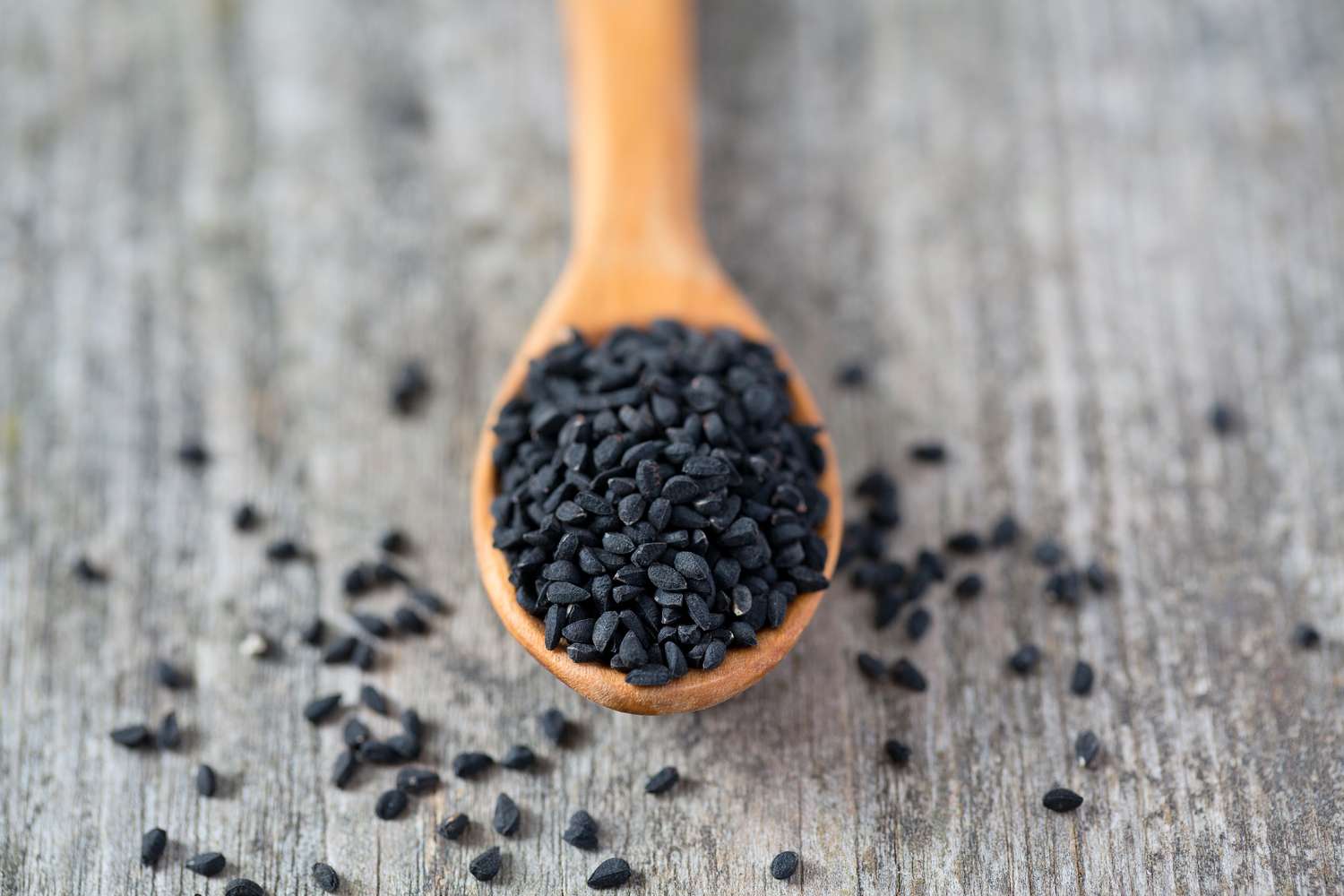
One of the most common questions I receive is whether to use the whole seeds (sometimes called Kalonji) or the concentrated oil. Both have their merits, but the choice often depends on your specific goals for nigella sativa heart health and how you prefer to integrate it into your routine.
Black seed oil is highly concentrated in Thymoquinone. Because it is a lipid extract, the body often absorbs the fat-soluble compounds more efficiently. However, the whole seeds offer dietary fiber and minerals that are lost during the pressing process. For a daily black cumin regimen for high cholesterol, consistency is more important than the specific form. If you choose the oil, knowing how to use black seed oil to lower ldl effectively involves taking it with a meal to maximize absorption.
For managing cholesterol levels, research often cites dosages ranging from 500 mg to 2 grams of powdered black cumin seeds daily. If using black seed oil, typical doses range from 1 to 5 mL per day. Results are generally observed after consistent use for 4 to 12 weeks, though individuals should consult a healthcare professional to establish a regimen suited to their specific metabolic needs.
| Feature | Black Cumin Seed Powder | Black Seed Oil |
|---|---|---|
| Common Dosage | 1–2 grams daily | 2.5–5 mL daily |
| Best For | General heart health & fiber | Targeted LDL reduction |
| Thymoquinone Content | Natural levels | Highly concentrated |
| How to Use | Add to smoothies or oatmeal | Take by spoon or in capsules |
| Key Benefit | black cumin seeds dosage for cholesterol is easy to manage | black seed oil for ldl is highly potent |
When considering black seed oil vs seeds for heart health, remember that the oil is more potent. A small teaspoon of oil can provide the same bioactive punch as several grams of seeds. If you are dealing with significant hyperlipidemia, the oil might be the more practical choice for reaching therapeutic levels quickly.

Safety, Synergy, and Statins
For many people, the goal isn't necessarily to replace their medication but to find ways to make it more effective. This is where the concept of "synergy" comes in. Studies suggest that black cumin can be used alongside statins to enhance their effectiveness in lowering LDL and total cholesterol.
Research involving patients with hyperlipidemia found that combining Nigella sativa with medications like simvastatin or atorvastatin resulted in more significant lipid reductions than statins alone. This is an exciting prospect for those who may be on a low-dose statin but still struggle to reach their target lipid levels. Furthermore, the black seed oil benefits for hypertensive heart health suggest that it may also help with blood pressure regulation, providing a multi-layered approach to cardiovascular protection.
However, taking black cumin with statins safely requires medical oversight. While generally safe, Nigella sativa can affect how the liver processes certain drugs. It is also important to note that black cumin is contraindicated for those with active kidney or liver disease, as these organs are responsible for processing the concentrated compounds. Always monitor your markers and keep your doctor in the loop when starting a new supplement.

FAQ
Does black cumin lower cholesterol?
Yes, extensive clinical research and meta-analyses show that black cumin effectively reduces total cholesterol, LDL, and triglycerides by improving lipid metabolism and reducing inflammation.
How much black cumin seed oil should I take for cholesterol?
Clinical studies typically suggest a dosage of 1 to 5 mL (about 1 teaspoon) of black seed oil daily. It is best taken with a meal to improve the absorption of its bioactive compounds.
How long does it take for black cumin to lower cholesterol?
While some initial changes can be seen in as little as 4 weeks, most clinical trials show significant improvements in the lipid profile after 8 to 12 weeks of consistent daily use.
Can black cumin help reduce LDL levels?
Absolutely. One notable study found that postmenopausal women were able to reduce their LDL levels by approximately 27 percent after two months of taking one gram of the powder daily.
Does black cumin seed oil raise HDL cholesterol?
Yes, black cumin has been shown to have a modest but positive effect on HDL, often referred to as "good" cholesterol, which helps transport excess fat away from the arteries and back to the liver.
Can I take black cumin seed oil with cholesterol medication?
Evidence suggests that black cumin can be used synergistically with statins like atorvastatin to further lower cholesterol. However, you must consult your physician to monitor for potential herb-drug interactions.
Achieving Lasting Heart Health
Lowering cholesterol is rarely about a single "magic bullet," but adding black cumin to your daily routine is one of the most evidence-supported natural steps you can take. By addressing oxidative stress, reducing systemic inflammation, and directly influencing how your liver manages fats, this ancient seed provides modern, measurable benefits.
Whether you choose to sprinkle the seeds on your morning yogurt or take a daily teaspoon of the oil, the key is consistency. As you work toward your cardiovascular goals, remember that these natural tools work best when paired with a balanced diet and regular movement. Your heart health is a lifelong commitment, and Nigella sativa is a powerful ally to have on your side.