Quick Facts
- Prevalence: Approximately 800,000 Americans are currently living with this condition.
- Flare Risk: Statistics show that 47.7% of individuals with inflammatory bowel disease experience at least one symptomatic flare during a one-year period.
- Symptom Frequency: About 70% of patients report abdominal pain as a primary indicator of disease activity.
- Symptom Patterns: In a study of untreated patients, 42% reported experiencing frequent flares, which are defined as occurring more than once per month.
- Surgery Risk: There is a 40-55% cumulative risk of requiring surgery within ten years of diagnosis.
- Medication Safety: For general pain relief, acetaminophen is the preferred choice over NSAIDs like ibuprofen, which can irritate the gut lining.
Successfully managing Crohn's disease involves a dual approach: maintaining remission through healthy lifestyle habits and quickly recognizing Crohn's disease flare-ups to prevent long-term complications. This guide provides a clinical checklist for identifying early warning signs of a Crohn's disease flare-up and offers actionable steps for effective home management and clinical intervention.
Recognizing Crohn's Disease Flare Symptoms
Living with Inflammatory Bowel Disease (IBD) often means navigating a spectrum of wellness. Understanding the difference between your daily baseline and acute Gastrointestinal inflammation is the first step in regaining control. While Crohn's is a chronic condition management journey, a flare represents a period where the immune system becomes overactive, leading to increased tissue damage in the digestive tract.
The early warning signs of a Crohn's disease flare-up typically include a noticeable increase in abdominal pain, persistent diarrhea, and systemic fatigue that does not improve with rest. You may also experience sudden bowel urgency, which can significantly impact your daily confidence. These primary symptoms are often accompanied by more subtle indicators, such as a low-grade fever or a sudden loss of appetite leading to unexpected weight loss.

Beyond the gut, Crohn's can manifest in other parts of the body, known as extraintestinal manifestations. Approximately 10% of patients may notice eye irritation or redness, while 20% might develop skin rashes or painful bumps, often on the shins. Joint pain is also a frequent companion to intestinal inflammation. By tracking Crohn's symptoms for better treatment, you can provide your medical team with a clear picture of how the disease is affecting your entire system, not just your digestion.
Consistency in tracking is vital. Using a symptom log to record the frequency of bowel movements, the presence of blood in your stool, and your overall energy levels allows you to spot trends before they become emergencies. This data is the most valuable tool you can bring to your next appointment, as it helps your doctor determine if your current maintenance therapy needs adjustment.
How to Manage a Crohn's Flare at Home
When you feel the initial shift toward a flare, the immediate goal is to reduce the workload on your digestive system. Learning how to manage a Crohn's flare at home involves a combination of nutritional shifts and nervous system regulation. The objective is not just to stop the symptoms but to create an internal environment where healing can begin.
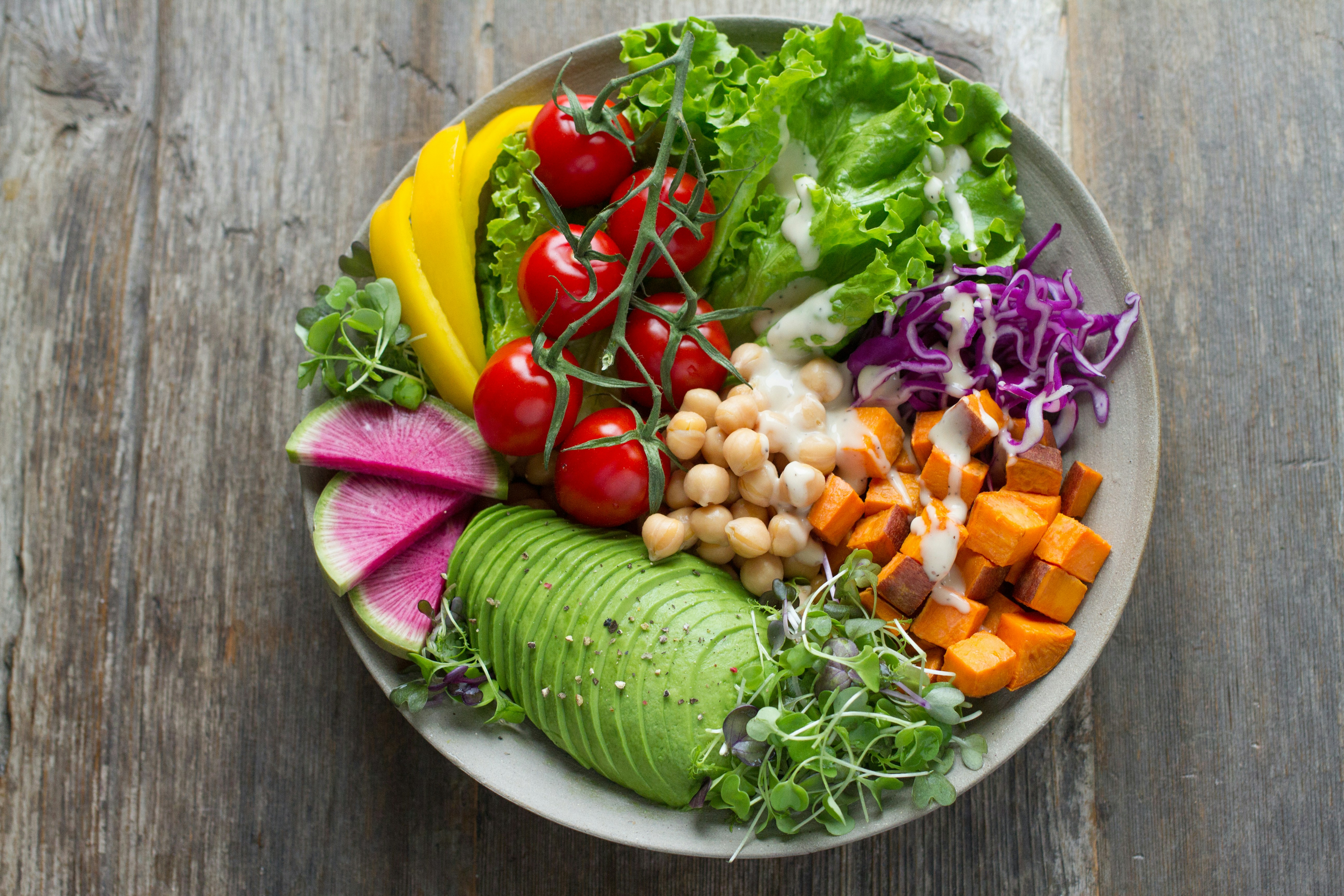
The foundation of home care during a flare is the implementation of a low-residue diet. This approach minimizes the amount of undigested material moving through the small intestine and colon, which reduces irritation and pain. Identifying specific dietary triggers to avoid during a Crohn's flare is equally important, as certain foods can exacerbate Gastrointestinal inflammation and lead to more frequent bathroom trips.
| Safe Foods (Low-Residue) | Trigger Foods (To Avoid) |
|---|---|
| White rice, pasta, and plain crackers | Whole grains, brown rice, and popcorn |
| Skinless poultry and white fish | Greasy, fried, or high-fat foods |
| Cooked, peeled vegetables (carrots, squash) | Raw vegetables and cruciferous greens |
| Bananas and melons | Spicy sauces and hot peppers |
| Eggs and smooth nut butters | High-fiber beans and legumes |
Hydration protocols are another pillar of management. Persistent diarrhea can quickly lead to dehydration, making systemic fatigue even worse. Aim for at least two liters of fluid daily, focusing on water or oral rehydration solutions that contain electrolytes. Avoid caffeinated and carbonated beverages, as these can stimulate the bowels and increase gas production.
We must also address the gut-brain axis. Your digestive system is deeply connected to your nervous system, meaning high stress can directly increase bowel urgency and pain. Integrating stress management techniques for Crohn's patients, such as deep diaphragmatic breathing or guided meditation, can help lower the body's inflammatory response. Even five minutes of focused breathing twice a day can signal to your gut that it is safe to slow down and heal.

Creating Your Flare-Up Emergency Kit
Preparation is the best antidote to the anxiety that often accompanies a chronic condition. By creating a Crohn's disease flare-up emergency kit, you ensure that you have the tools necessary to maintain your comfort and dignity, whether you are at home, work, or traveling. This kit should be easily accessible so you don't have to scramble when you are feeling unwell.
A comprehensive emergency kit includes both physical supplies and strategic plans:
- Portable Bidet or Perianal Wash Bottle: Helps maintain hygiene and reduces skin irritation from frequent wiping.
- Skin Barrier Cream: Protects sensitive skin from the acidity of frequent bowel movements.
- Flushable Wipes (with caution): Ensure they are fragrance-free to avoid further irritation.
- A Change of Clothes: Including spare undergarments and a discreet bag for storage.
- Symptom Log and Medication List: A physical or digital record for quick reference.
- Acetaminophen: For pain management, as it is safer for the gut than NSAIDs.
- Safe Snacks: Small portions of low-residue foods like crackers or applesauce.
Beyond physical items, your emergency kit should include a shift in your daily routine. Adopting a strategy of eating five to six small frequent meals rather than three large ones can significantly reduce the pressure on your digestive tract. This is one of the most effective lifestyle habits to stay in Crohn's remission once the acute phase passes.

Social and professional planning is the final piece of the kit. If you are entering a flare, consider adjusting your schedule to allow for more rest. This might mean working from home or postponing social commitments. Communicating your needs to your support system early can help alleviate the mental burden of managing Crohn's disease alone.
When to Contact Your Gastroenterologist
While home management is helpful, it is never a substitute for professional medical care when inflammation intensifies. A Gastroenterologist is your partner in achieving mucosal healing, which is the ultimate goal of treatment. You should contact your healthcare provider if your Crohn's disease flare symptoms last more than a few days despite dietary adjustments, or if your symptoms show signs of escalating beyond your control.
The role of maintenance therapy is to keep the immune system in check, but flares can happen even with strict adherence to medication. When a flare occurs, your doctor may suggest diagnostic tests like blood work to check for inflammatory markers or a stool test to rule out infections like C. difficile. Depending on the severity, they might recommend adjustments to advanced therapies such as biologics, which include medications like Ustekinumab or Upadacitinib, to specifically target the proteins causing the inflammation.
Red Flag Checklist: Seek Immediate Care
If you experience any of the following, contact your doctor or visit an urgent care center immediately:
- High fever (over 101°F) or shaking chills.
- Severe abdominal cramps that make it difficult to move.
- Significant rectal bleeding or black, tarry stools.
- Persistent vomiting or the inability to keep liquids down.
- Signs of severe dehydration, such as extreme thirst or dark urine.
- Sudden, intense swelling of the abdomen.
Modern medicine has shifted toward the goal of "treat to target," meaning the aim is no longer just feeling better, but actually healing the intestinal lining. This approach reduces the cumulative damage to the gut and can lower the long-term risk of needing surgical intervention. By staying proactive and reaching out at the first sign of trouble, you are taking an active role in protecting your future health and wellbeing.
FAQ
What is the best way to manage Crohn's disease?
The most effective way to manage the condition is through a multi-faceted approach that combines consistent maintenance therapy prescribed by your doctor with personalized lifestyle management for Crohn's disease. This includes eating a balanced diet that avoids your specific triggers, prioritizing sleep, and using stress reduction techniques to support the gut-brain axis. Regular check-ups and monitoring via a symptom log are also essential for long-term health.
What foods should you avoid during a Crohn's flare?
During an active flare, it is best to avoid high-fiber foods such as raw vegetables, whole grains, nuts, and seeds, as these can irritate the inflamed intestinal wall. You should also steer clear of spicy foods, greasy or high-fat meals, dairy (if you are lactose intolerant), and caffeinated or carbonated drinks. Switching to a low-residue diet of soft, well-cooked foods is usually recommended until symptoms subside.
What are the first signs that Crohn's is getting worse?
The early warning signs of a Crohn's disease flare-up often include a change in your regular bowel habits, such as increased frequency or urgency. You may notice persistent abdominal pain, cramping, or a feeling of extreme tiredness that doesn't go away. Other early indicators can include a slight fever, loss of appetite, or noticing blood during bowel movements.
How can I reduce Crohn's inflammation naturally?
While natural methods should complement rather than replace medical treatment, you can support your body by focusing on anti-inflammatory lifestyle habits. This includes getting adequate Omega-3 fatty acids from safe sources, practicing yoga or meditation to lower stress hormones, and ensuring you get enough Vitamin D, which plays a role in immune function. Staying hydrated and avoiding smoking are also critical for naturally supporting gut health.
Does stress trigger Crohn's disease symptoms?
Yes, stress is a well-known trigger for many people living with IBD. While stress does not cause the disease itself, it can significantly worsen Crohn's disease flare symptoms by activating the body's inflammatory response and increasing gut sensitivity. Managing stress through deep breathing, professional counseling, or regular light exercise can help reduce the frequency and severity of flares.