Quick Facts
- Prevalence: While clinical diagnosis is lower, objective testing shows that 30% to 50% of people with diabetes experience delayed gastric emptying.
- Root Cause: Chronic high blood sugar leads to autonomic neuropathy, specifically damaging the Vagus nerve that controls stomach muscles.
- Primary Symptoms: Frequent nausea, persistent bloating, vomiting undigested food, and a feeling of fullness shortly after starting a meal.
- Dietary Goal: Shift toward a low fiber and low fat intake, focusing on small, frequent meals to reduce the workload on the stomach.
- Glycemic Impact: Food reaches the small intestine at unpredictable times, making blood sugar levels extremely difficult to stabilize.
- Safety Note: Certain medications, such as GLP-1 receptor agonists and opioids, can significantly worsen slow stomach emptying.
Diabetic gastroparesis is a serious form of autonomic neuropathy where chronic high blood sugar damages the Vagus nerve, resulting in delayed gastric emptying without a physical blockage. This condition causes food to remain in the stomach for too long, leading to distressing symptoms like nausea and bloating while making blood sugar management a constant challenge for those living with diabetes.
Understanding the Connection: How Diabetes Damages the Gut
When we talk about diabetes complications, we often focus on the heart, eyes, or kidneys. However, the digestive system is equally vulnerable. The bridge between diabetes and digestive distress is a condition known as autonomic neuropathy. This occurs when prolonged exposure to high blood glucose levels damages the delicate nerve fibers throughout the body.
In the case of the stomach, the primary casualty is the Vagus nerve. This nerve acts as the "master controller" of the digestive tract, sending signals that tell the stomach muscles when to contract and move food into the small intestine. When the Vagus nerve is damaged, these signals become weak or non-existent, leading to gastric motility failure.
The impact is widespread. Approximately 50% to 70% of people with diabetes develop some form of neuropathy, which can include the nerves governing digestion. This creates a frustrating "vicious cycle." Because the stomach is not emptying properly, it is nearly impossible to predict when glucose from a meal will enter the bloodstream. This leads to intense glycemic variability, where you might experience a dangerous drop in blood sugar shortly after eating (because the insulin worked before the food arrived) followed by a massive spike hours later when the food finally begins to digest.
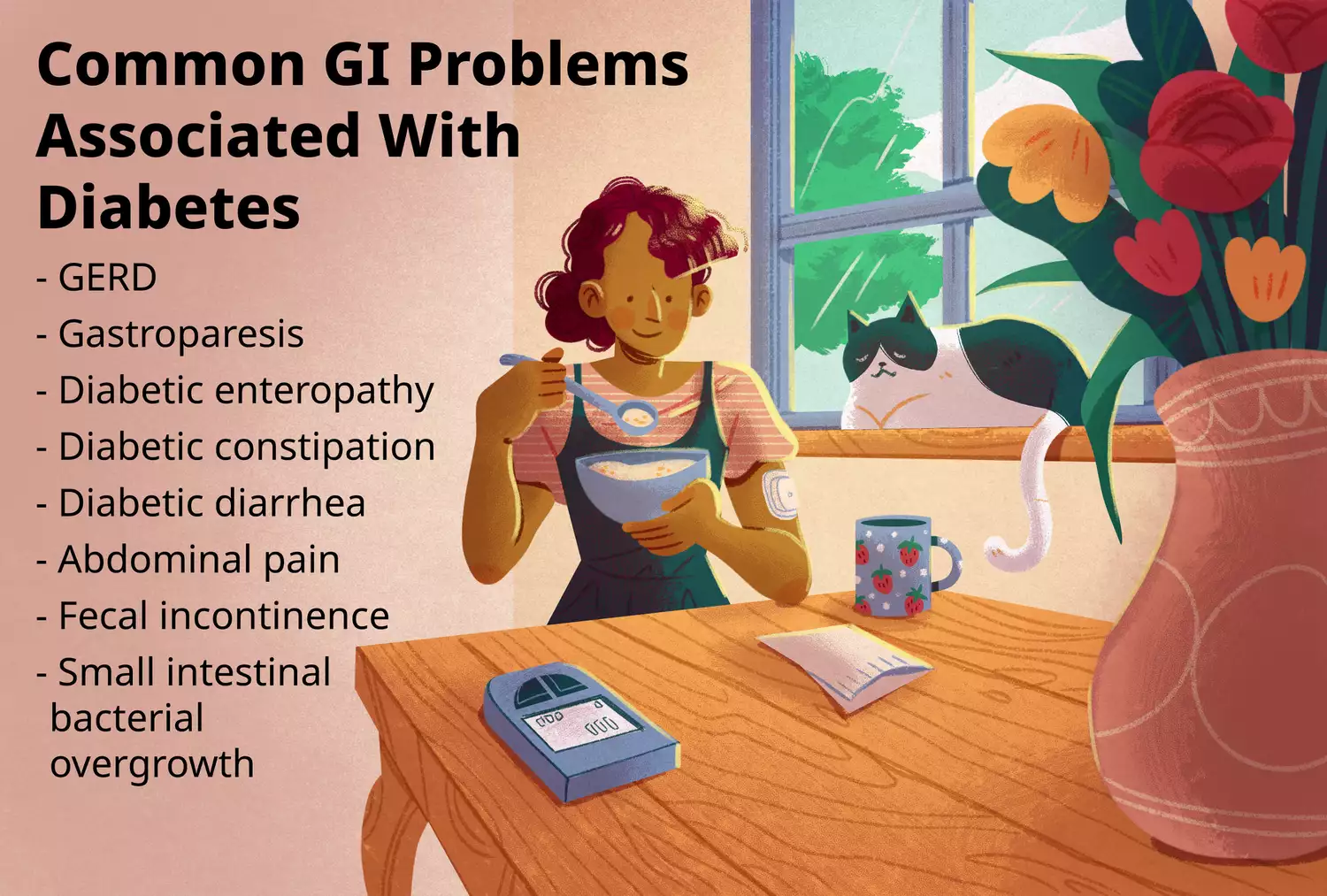
Furthermore, the damage isn't always confined to the stomach. Studies show that chronic constipation is reported in up to 25% of patients with diabetes, and chronic diarrhea affects between 5% and 22% of individuals. These statistics highlight how essential it is to address diabetic stomach nerve damage symptoms early on to prevent long-term complications.
Recognizing the Signs: Symptoms and Diagnosis
Identifying diabetic gastroparesis in its early stages can be tricky because the symptoms often mimic general indigestion or an upset stomach. However, the persistence of these issues is the red flag. Many patients describe a sensation of postprandial fullness, where they feel uncomfortably "stuffed" after eating only a few bites of food.
Common early signs of diabetic gastroparesis include:
- Persistent nausea that may last for hours after eating
- Occasional or frequent vomiting of undigested food
- Heartburn or gastroesophageal reflux (GERD)
- Visible abdominal bloating and upper abdominal pain
- Unintended weight loss and poor appetite
One of the more serious complications of slow digestion is the formation of a bezoar. This is a solid mass of undigested food that remains in the stomach, which can cause a physical obstruction or lead to bacterial overgrowth.
If you suspect your digestion has slowed, a clinical diagnosis is necessary. The gold standard for diagnosis is a procedure called Scintigraphy, also known as a gastric emptying study. During this test, you eat a meal (usually eggs or oatmeal) containing a tiny amount of radioactive material. A scanner tracks the food as it leaves the stomach. According to the medical standards, if you have more than 10% retention at 4 hours after the meal, it confirms a diagnosis of gastroparesis.
When to see a doctor for diabetic stomach pain:
- If you are unable to keep any liquids or solids down for more than 24 hours.
- If you experience severe, cramping abdominal pain that does not resolve.
- If you notice signs of severe dehydration, such as extreme thirst or dark urine.
- If your blood sugar levels are constantly fluctuating despite following your usual insulin or medication routine.
The Gastroparesis Diet: A 3-Step Management Plan
Managing food intake is the cornerstone of treatment. Since the stomach muscles are weak, we must change the texture and volume of what we eat to make the job easier for the body. The following 3-step gastroparesis diet for diabetics is designed to help you transition from a flare-up back to a sustainable maintenance routine.
Step 1: Liquid Nutrition (The "Rest" Phase)
During a severe flare-up of nausea or vomiting, your stomach needs a break. Focus on high-quality best liquid nutrition for diabetic gastroparesis. This includes clear broths, vegetable purees, and strained soups. Because liquids pass through the stomach much faster than solids using gravity alone, they are usually well-tolerated. Ensure your liquid choices are low in sugar to avoid worsening your glucose levels.
Step 2: Soft Solids and Low-Fiber Transition
Once you can tolerate liquids, move to soft foods that require minimal effort to break down. This is where a low fiber diet for diabetic gastroparesis becomes critical. Normally, fiber is healthy for diabetics, but in a slow-moving stomach, fiber can clump together and form a bezoar. Aim for less than 2 grams of fiber per serving. Choose white bread over whole grain, and well-cooked vegetables instead of raw salads.
Step 3: Maintenance and Frequency
The final step is establishing a small frequent meal plan for diabetics. Instead of three large meals, aim for 6 to 8 mini-meals throughout the day. This reduces the physical volume in the stomach at any one time, allowing for more consistent gastric motility.
Safe vs. Avoid Food Chart
| Food Category | Choose (Safe) | Avoid (Limit) |
|---|---|---|
| Grains | White rice, white bread, crackers, cream of wheat | Whole wheat bread, brown rice, granola, popcorn |
| Vegetables | Cooked carrots, peeled potatoes, tomato sauce | Raw broccoli, corn, beans, leafy greens (kale/spinach) |
| Proteins | Eggs, ground turkey, baked fish, smooth peanut butter | Tough steaks, fried meats, nuts, seeds |
| Dairy | Yogurt, low-fat cottage cheese, skim milk | High-fat cheeses, ice cream, whole milk |
| Fruits | Canned peaches (in water), applesauce, fruit juices | Oranges, berries, figs, dried fruits |
Medications and Lifestyle: Beyond the Plate
While diet is vital, managing blood sugar with slow stomach emptying often requires medical intervention. Doctors may prescribe prokinetics to help stimulate stomach contractions. The most common is Metoclopramide, which helps the stomach empty faster. However, it carries a "black box" warning for long-term use due to the risk of neurological side effects like tardive dyskinesia, so it is typically limited to 12 weeks of use. Erythromycin, an antibiotic, is also sometimes used in low doses for its side effect of stimulating gastric movement.
It is also essential to review your current diabetes medications that worsen gastroparesis symptoms. In recent years, GLP-1 receptor agonists (such as Ozempic or Wegovy) have become popular for blood sugar and weight management. However, these drugs work specifically by slowing down stomach emptying. For someone with pre-existing nerve damage, these medications can turn mild symptoms into a severe health crisis.
Beyond medicine, your daily habits can make a difference in how you feel. Consider the following lifestyle adjustments:
- Post-Meal Walking: A gentle 15-minute walk after eating can use gravity and light movement to encourage the stomach to empty.
- Sleeping positions for diabetic gastroparesis relief: If you suffer from nighttime reflux or fullness, try sleeping on your left side or with your head elevated by 6 to 10 inches. The left-side position keeps the stomach opening above the esophagus, reducing reflux.
- Hydration: Sip water throughout the day rather than drinking large amounts during a meal, which can add to the feeling of pressure and bloating.
FAQ
What are the first signs of diabetic gastroparesis?
The earliest signs usually involve changes in how you feel during and after meals. You might notice that you feel full after just a few bites of food, a condition known as early satiety. Other early indicators include persistent mild nausea, abdominal bloating, and a sudden difficulty in managing your blood sugar levels, as your usual insulin timing no longer matches when your body absorbs nutrients.
Can diabetic gastroparesis be reversed?
Generally, nerve damage from autonomic neuropathy is considered permanent, meaning the condition itself is chronic. However, the symptoms can be managed so effectively that they become minimal. By maintaining tight blood sugar control, you can prevent further damage to the Vagus nerve and, in some cases, see a slight improvement in gastric motility over time.
What foods should you avoid with diabetic gastroparesis?
You should primarily avoid high-fiber and high-fat foods. Fiber, especially from raw vegetables, skins, and seeds, is difficult for a slow stomach to process and can lead to the formation of food masses called bezoars. High-fat foods should also be limited because fat naturally slows down digestion even in healthy individuals, which can exacerbate the delay in people with diabetes.
How does gastroparesis affect blood sugar levels?
Gastroparesis makes blood sugar levels unpredictable because there is a "mismatch" between when you take your insulin and when the food actually enters your small intestine to be absorbed. This can cause hypoglycemia (low blood sugar) right after a meal because the insulin starts working before the food has left the stomach, followed by delayed hyperglycemia (high blood sugar) hours later when the food finally digests.
How is diabetic gastroparesis diagnosed?
Diagnosis begins with a clinical review of your symptoms and history. The definitive test is a gastric emptying scintigraphy, where you eat a meal labeled with a radioactive tracer and are monitored via a camera over four hours. Other tests may include an upper endoscopy to rule out a physical blockage (like a tumor or ulcer) or a "smart pill" that measures how fast a capsule moves through your entire digestive tract.
What is the best medication for diabetic gastroparesis?
The most commonly prescribed medication is Metoclopramide, which helps stimulate stomach muscles and reduce nausea. Because of its side effects, it is often used for short durations. Other options include Erythromycin for motility and antiemetics like Ondansetron to control severe nausea. Your doctor will also review your diabetes medications to ensure you aren't taking drugs that further slow the gut, such as GLP-1 agonists.
Managing slow stomach emptying in diabetes requires patience and a proactive approach to both nutrition and medical care. By working closely with an endocrinologist and a gastroenterologist, you can develop a personalized plan that protects your Vagus nerve and helps you regain comfort and control over your digestive health.