Quick Facts
- Timing: Most symptoms of a food allergy rash manifest within 30 minutes of ingestion.
- The 90% Rule: The Big Eight food groups are responsible for nearly 90% of all allergic skin reactions in the United States.
- New Standards: As of 2023, Sesame has been officially recognized as the 9th major allergen under the FASTER Act.
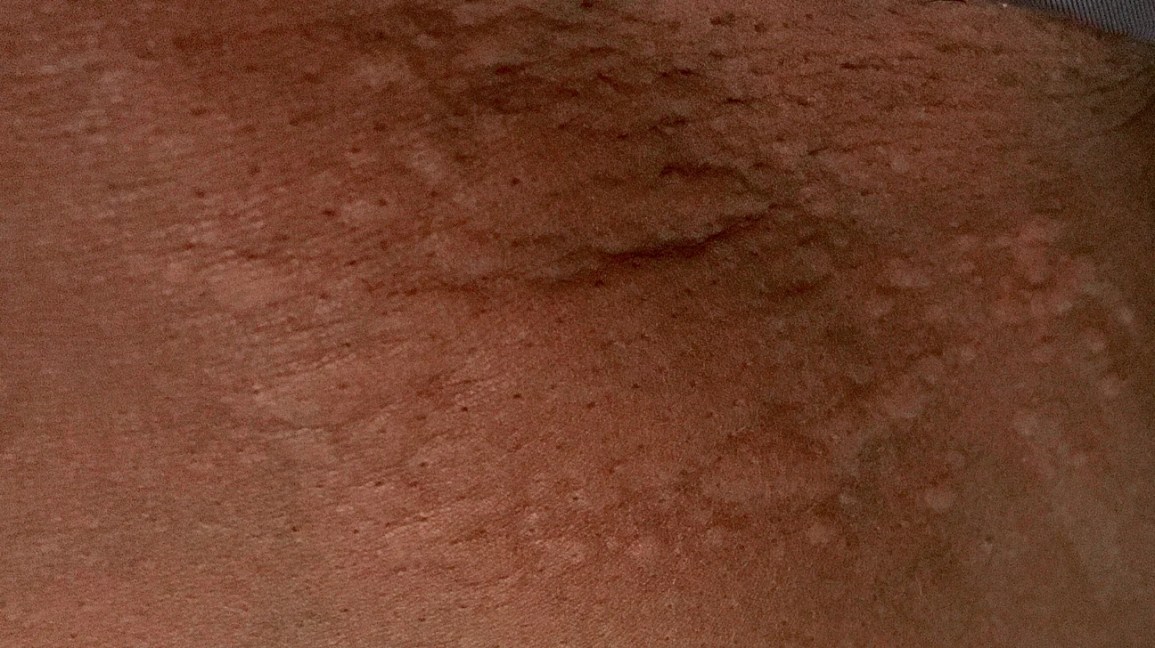
- Skin Appearance: On darker skin tones, a rash may appear purple, gray, or dark brown rather than the classic bright red.
- Clinical Overlap: Approximately 30% of children with moderate-to-severe atopic dermatitis are estimated to have coexisting food allergies.
- Key Reaction Types: Skin irritation typically presents as either acute hives (urticaria) or a flare-up of chronic eczema.
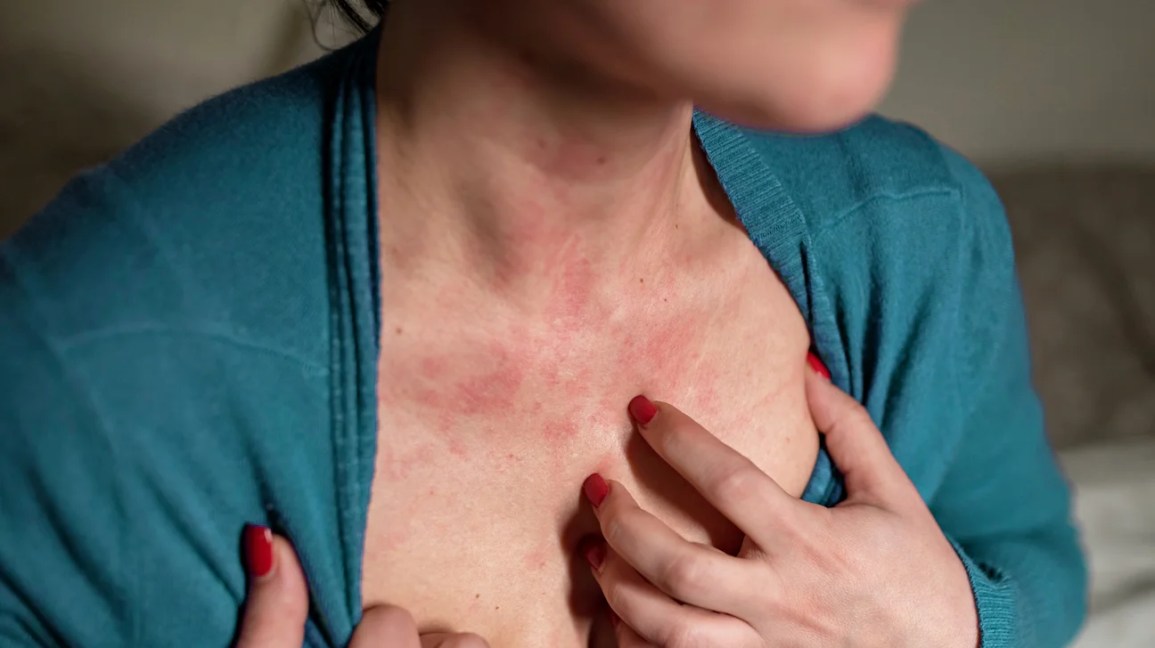
A food allergy rash often presents as hives or an eczema flare-up. While the Big Eight triggers account for 90% of reactions, identifying the specific cause is key to soothing irritation. Hives typically appear within 30 minutes of ingestion as raised, itchy welts known as urticaria. Eczema involves chronic redness and itching; while food allergies do not cause eczema directly, they can act as a trigger for delayed inflammatory flare-ups in sensitive individuals.
Identifying Your Reaction: Hives vs. Eczema
When you consume a trigger food, your immune system may overreact to specific proteins, releasing histamine and other chemicals into the bloodstream. This physiological response often mirrors a "civil war" on the surface of your skin. However, not all skin reactions look or feel the same. Distinguishing between skin reactions is key to treatment.
Hives, or urticaria, are the most common immediate sign of a food allergy rash. These are raised, smooth welts that can appear anywhere on the body. They often look like mosquito bites but can coalesce into larger patches. The defining characteristic of hives is their fleeting nature; they tend to "migrate," disappearing in one spot and reappearing in another within hours.
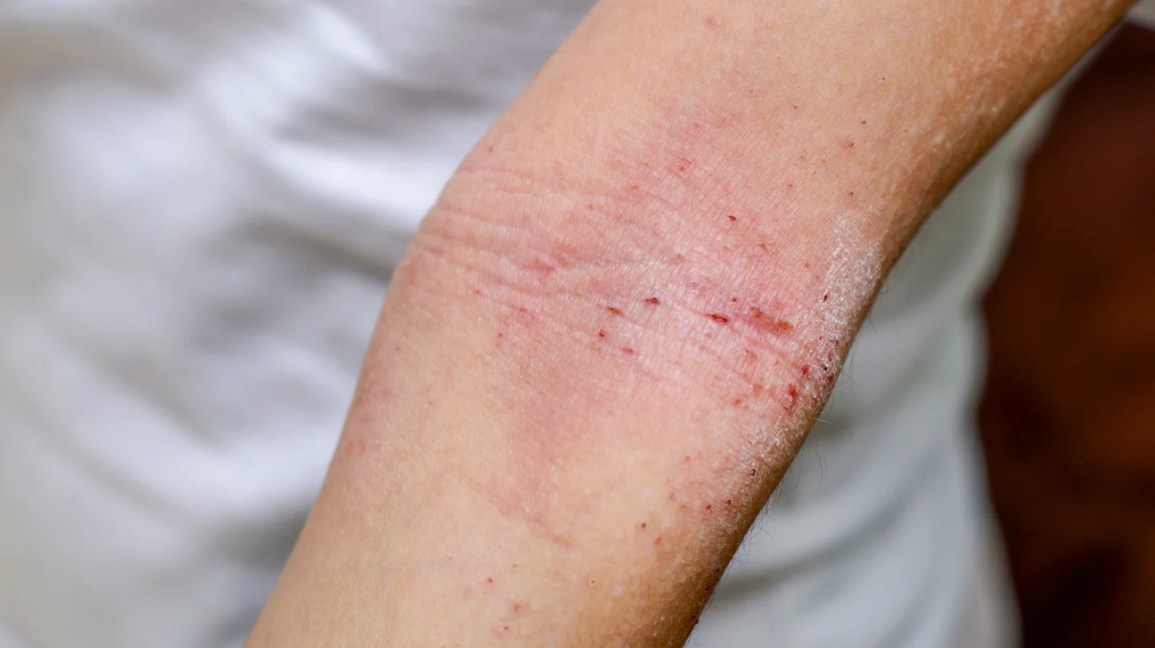
Eczema, specifically atopic dermatitis, is a different beast entirely. It is a chronic condition characterized by a leaky skin barrier. While food allergies do not create the genetic predisposition for eczema, they are significant environmental triggers. For many, a dietary slip-up doesn't result in immediate welts but rather a slow-burning, intensely itchy flare that makes the skin feel like sandpaper.
| Feature | Hives (Urticaria) | Eczema (Atopic Dermatitis) |
|---|---|---|
| Appearance | Raised, smooth welts or "wheals" | Dry, scaly, or crusty patches |
| Feeling | Intense itching or stinging | Chronic itch, soreness, or burning |
| Duration | Usually resolves within 24–48 hours | Long-term; flares can last weeks |
| Common Triggers | Immediate IgE-mediated response | Delayed reaction; barrier dysfunction |
Understanding the hives vs eczema food allergy difference helps in choosing the right immediate care. Hives are sudden, temporary welts that often signal a systemic allergic response, often requiring antihistamines. Eczema is a long-term condition requiring barrier repair and consistent skin care with emollients.
Skin of Color Note: In patients with deeper skin tones, the traditional "red" rash description can be misleading. Inflammation often manifests as hyperpigmentation, appearing as dark brown, purple, or even grayish patches. Recognizing these nuances is vital for an accurate diagnosis.
The 'Big Eight' (and Nine) Food Triggers
In the world of nutrition and immunology, we often talk about the Big Eight. These specific foods are responsible for approximately 90% of all food-allergic reactions in the United States. If you are struggling with a food allergy rash, one of these culprits is likely at the center of the investigation.
- Milk: Cow's milk is the most common allergen in infants and young children. The proteins casein and whey can trigger dairy-induced inflammation, leading to both immediate hives and delayed eczema flares.
- Eggs: Most reactions are triggered by proteins in the egg white. While many children outgrow this, it remains a potent cause of pruritus management challenges in pediatric patients.
- Peanuts: Unlike milk or eggs, peanut protein sensitivity is often lifelong and carries a high anaphylactic potential. Even trace amounts can cause a rapid-onset food allergy rash.
- Tree Nuts: This group includes almonds, walnuts, pecans, and cashews. Being allergic to one tree nut increases the likelihood of reacting to others.
- Fish: Finned fish like salmon or tuna can cause severe reactions. Interestingly, fish allergies often develop in adulthood.
- Shellfish: This category (shrimp, crab, lobster) is the most common food allergy for adults. It frequently causes contact dermatitis if a sensitive individual handles the food before cooking.
- Soy: While often milder than nut allergies, soy is a hidden ingredient in many processed foods, making it a difficult trigger to avoid.
- Wheat: A wheat-induced food allergy rash is distinct from Celiac disease. It is an IgE-mediated reaction to wheat proteins that typically manifests as skin irritation or respiratory issues.

As of January 2023, Sesame has joined this list as the ninth major allergen. This inclusion is critical for those with big eight food allergy skin reactions because sesame is often hidden in "natural flavors" or spice blends.
When considering how to identify food allergy rash in infants, look for clusters of redness or hives around the mouth or where the food may have touched the skin during the introduction of solids. Because their immune systems are still developing, these early common food allergens skin symptoms can provide a roadmap for future dietary planning.

Beyond Allergies: Histamine-Releasing Foods
Sometimes, what looks like a food allergy rash isn't an allergy at all. There is a fascinating intersection between the gut-skin axis and a phenomenon known as histamine release. Some foods don't trigger an IgE-mediated reaction but instead contain high levels of histamines or prompt your body to release its own stores.
Common culprits include:
- Fermented foods (sauerkraut, aged cheeses, soy sauce)
- Spinach and tomatoes
- Certain fruits like strawberries and citrus
- Smoked or cured meats
When you consume these, you might experience facial flushing, itching, or contact dermatitis. This is often referred to as food intolerance or chemical sensitivity. Unlike a true allergy, the severity of these skin flare-ups often depends on the "dose"—you might be fine with one strawberry, but a whole bowl triggers an itchy neck. Managing food allergy skin flare-ups of this nature requires a focus on gut health and potentially a low-histamine approach rather than total elimination of all protein groups.
Diagnosis and Safe Management
If you suspect your diet is written all over your face—or your arms and legs—the first step is a professional evaluation. Clinical studies have shown that 33% of pediatric patients with atopic dermatitis experience an exacerbation of their eczema symptoms during oral food challenges.
Professional Testing
Identifying the specific culprit often involves skin prick testing. In this procedure, a tiny amount of allergen is placed on the skin, which is then lightly pricked. If a small, itchy bump appears, it indicates a potential sensitivity. However, if standard treatments fail, a specialist may recommend an oral food challenge to confirm if specific dietary proteins are exacerbating skin inflammation. This is the gold standard of diagnosis and should only be performed under strict medical supervision due to the risk of anaphylaxis.
Managing Flares at Home
While you work on identifying triggers with a food exclusion diet, soothing food allergy skin irritation at home is about calming the inflammation.
- Cool Compresses: Apply a damp, cool cloth to hives to reduce swelling and heat.
- Topical Relief: Over-the-counter corticosteroid creams can help dampen the immune response in the skin.
- Barrier Protection: For eczema-style reactions, use thick, fragrance-free emollients to lock in moisture and protect the skin from external irritants.
- Antihistamines: These can be effective for managing the pruritus management aspect of acute hives, though they are less effective for chronic eczema.

A Note on Safety
It is tempting to go on a "search and destroy" mission in your pantry, but I always advise caution with unsupervised elimination diets. Cutting out entire food groups without a doctor's guidance can lead to nutritional deficiencies and, surprisingly, can sometimes cause a child to develop a more severe allergy to the food being avoided.
FAQ
What does a food allergy rash look like?
A food allergy rash generally appears in one of two ways. It can look like hives, which are raised, pale red or skin-colored welts that appear suddenly. Alternatively, it can look like an eczema flare, which presents as patches of dry, scaly, or bumpy skin that may ooze or crust over when scratched. On darker skin tones, these patches may look dark brown, purple, or gray.
How long after eating does a food allergy rash appear?
Timing is a major clue for diagnosis. Most IgE-mediated food allergy rash symptoms appear within minutes to two hours after ingestion. Hives often show up within 30 minutes. However, some reactions, particularly those that exacerbate eczema, can be delayed by several hours or even a day, making them harder to link to a specific meal.
How long does a food allergy rash typically last?
The duration depends on the type of reaction. Acute hives typically fade within 24 to 48 hours as the body processes the allergen. However, if the rash is an eczema flare-up triggered by food, the irritation can persist for several days or even weeks until the skin barrier is repaired and the underlying inflammation is calmed.
How do you treat a food allergy rash at home?
For immediate relief, you can use cool compresses to reduce itching and swelling. Over-the-counter antihistamines may help with hives, while fragrance-free moisturizers and low-potency corticosteroid creams are better for eczema-style patches. It is also essential to drink plenty of water and wear loose-fitting cotton clothing to prevent further mechanical irritation of the skin.
What foods are most likely to cause a skin rash?
The foods most likely to cause skin irritation are the Big Eight: milk, eggs, peanuts, tree nuts, fish, shellfish, soy, and wheat. These account for the vast majority of food allergy rash symptoms in adults and children. In recent years, sesame has also become a frequent trigger for skin-based allergic reactions.