Quick Facts
- Efficiency: Low-intensity therapy facilitates a 25% lower risk of heart attack or stroke in at-risk populations.
- Target Range: Low-dose regimens typically aim for an LDL cholesterol reduction of less than 30%.
- Direct Impact: Clinical data shows that every 1% reduction in serum cholesterol levels is associated with approximately a 1% reduction in the risk of coronary heart disease.
- Cost Accessibility: Generic low-intensity options are highly affordable, often costing around $40 per year.
- Adherence: Lower dosages significantly reduce the likelihood of myalgia, making it easier for patients to maintain their treatment long-term.
- Timeline: Meaningful improvements in lipid profiles are generally observable within 2 to 4 weeks of starting therapy.
Low-dose statins, often referred to as low-intensity statin therapy, protect the heart by facilitating LDL-C reduction and promoting plaque stabilization within the arteries. These medications function by lowering levels of Apolipoprotein B, which is essential for preventing major events related to Atherosclerotic cardiovascular disease. By utilizing a lower dosage, patients can effectively reach target lipid levels while minimizing the risk of common side effects like myalgia, ensuring better long-term medication adherence and overall vascular health.

Early Prevention: Why 30 is the New 40 for Heart Health
In the world of longevity, we are moving away from reactive medicine and toward aggressive primary prevention. For decades, the medical community focused on treating heart disease once it appeared or when a patient hit their 50s. However, recent shifts in clinical thought suggest that the damage leading to heart attacks starts much earlier. This is why early intervention with statins at age 30 is becoming a standard topic of conversation for men and women with elevated genetic risks.
The introduction of the 2026 PREVENT risk equations marks a significant turning point in how we assess vascular health. Unlike older models that only looked at a 10-year window, understanding 2026 PREVENT risk equations allows clinicians to calculate a 30-year risk profile. This long-term view reveals that even slightly elevated cholesterol in your 30s can compound into significant Atherosclerotic cardiovascular disease by your 60s. By starting a low-dose statin earlier, you are essentially cleaning the "pipes" before the rust has a chance to settle.
This proactive approach focuses on the "Lower for Longer" philosophy. The goal is to keep your cumulative exposure to harmful lipids as low as possible throughout your lifespan. Using cardiovascular risk calculators that factor in metabolic health and kidney function, doctors can now identify younger individuals who would benefit most from low-intensity statins for cardiovascular prevention. It is not about being "sick"; it is about optimizing your internal environment for a longer, healthier life.

Understanding Low-Intensity Statin Therapy
When people hear the word "statin," they often worry about high-intensity pharmaceutical intervention. However, low-intensity statin therapy is a precision tool designed for those who need moderate LDL-C reduction rather than a total system overhaul. These medications are HMG-CoA reductase inhibitors, meaning they block the enzyme in your liver responsible for creating cholesterol.
At lower doses, these drugs focus on reaching target LDL cholesterol with low-dose therapy without overwhelming the body’s metabolic pathways. This is particularly useful for primary prevention in older adults or younger individuals with moderate risk. The following table illustrates what constitutes a low-intensity regimen:
| Medication | Low-Intensity Daily Dose | Expected LDL Reduction |
|---|---|---|
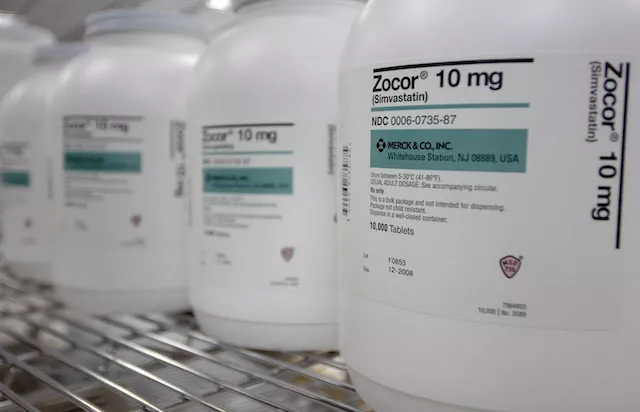
| Simvastatin | 10 mg | <30% |
| Lovastatin | 20 mg | <30% |
| Pravastatin | 10–20 mg | <30% |
| Fluvastatin | 20–40 mg | <30% |
| Pitavastatin | 1 mg | <30% |
These low-dose statins provide the benefits of plaque stabilization—making sure the fatty deposits in your arteries stay firm and don't rupture—while keeping the systemic concentration of the drug low. For many, this is the "Goldilocks" zone of cholesterol management benefits: enough to protect the heart, but not enough to cause discomfort.
The CPR Framework: Personalizing Your Cholesterol Strategy
To navigate the complexities of heart health, I recommend the CPR framework. This stands for Calculate, Personalize, and Reclassify. It is a systematic way to ensure you are getting the right treatment for your specific biological profile.
- Calculate: Start by using modern cardiovascular risk calculators. These tools take your age, blood pressure, and cholesterol levels to determine your risk of a heart event. With the newer guidelines, we are looking at lifetime risk rather than just a decade-long snapshot.
- Personalize: This is where we address health disparities. For instance, heart disease prevention for women using statins has historically been under-researched, yet women derive immense benefit from these therapies, especially post-menopause. Similarly, minority groups often face higher risks due to genetic and systemic factors and may require earlier intervention.
- Reclassify: If your risk score is borderline, your doctor might use a Calcium Score (CAC) or check your Apolipoprotein B levels to see if you actually need medication. This ensures that only those who truly benefit from low-dose statins are prescribed them.
The CPR method moves the conversation away from "one size fits all." It prioritizes medication adherence by ensuring the patient understands exactly why the therapy is necessary for their specific journey.

Safety First: Managing Side Effects and Interactions
One of the biggest hurdles to cholesterol management is the fear of side effects. You may have heard of Statin-Associated Muscle Symptoms (SAMS), which often present as Myalgia symptoms like soreness, weakness, or cramping. While these are real concerns, they are significantly less common with low-intensity statin therapy.
If you are managing side effects of low-dose statins, there are several evidence-based strategies to consider:
- Check Vitamin D Levels: Low vitamin D can sometimes mimic or worsen muscle aches associated with statins.
- CoQ10 Supplementation: While clinical evidence is mixed, many patients find relief by adding Coenzyme Q10 to their daily routine.
- Timed Dosing: Some statins work better when taken at night, as that is when the liver produces the most cholesterol.
- Hydration and Lifestyle: Simple changes in hydration can often alleviate mild Myalgia symptoms.
It is also vital to be aware of interactions. For example, grapefruit juice can increase the concentration of certain statins in your blood, raising the risk of side effects. Always engage in shared decision-making with your healthcare provider to ensure your prescription fits your lifestyle. The safety profile of these drugs is well-established, and for the vast majority of people, the heart-protective benefits far outweigh the minor risks.
Accessibility and Long-Term Success
In the quest for longevity, consistency is more important than intensity. The beauty of low-dose statins lies in their accessibility. While newer treatments like PCSK9 inhibitors are incredibly effective, they can cost upwards of $5,000 a year and require injections. In contrast, a generic low-dose statin provides excellent cardiovascular disease prevention for about the price of a monthly coffee subscription.
Achieving long-term vascular health requires a sustainable plan. By choosing a low-intensity approach, you increase the likelihood of staying on the medication for years or even decades. This "slow and steady" approach to LDL-C reduction is what ultimately prevents the catastrophic events that shorten lives. Combine your medication with a fiber-rich diet and regular zone 2 exercise to create a comprehensive shield for your heart.
FAQ
What is considered a low dose of a statin?
A low dose typically refers to a regimen that is expected to reduce LDL cholesterol by less than 30%. Common examples include 10 mg of Simvastatin, 20 mg of Lovastatin, or 10 mg of Pravastatin. These dosages are designed to provide protective benefits while minimizing the systemic burden on the body.
Are low-dose statins as effective as high-dose statins?
Effectiveness depends on the goal. If the objective is primary prevention and moderate reduction of risk, low-dose statins are highly effective and often preferred for their safety profile. While high-dose statins lower cholesterol more aggressively, they are usually reserved for patients who have already had a heart attack or have extremely high genetic risk.
What are the benefits of taking a low-dose statin?
The primary benefits include lowering LDL cholesterol, reducing Apolipoprotein B, and stabilizing arterial plaque to prevent ruptures. These actions collectively lower the risk of heart attacks and strokes by about 25% in at-risk individuals. Additionally, they offer a way to reach health targets with a very low risk of muscle pain.
Do low-dose statins cause fewer side effects?
Yes, clinical studies generally show that the risk of side effects like myalgia or liver enzyme elevations is dose-dependent. By starting with a lower intensity, many patients avoid the muscle soreness that can sometimes occur with higher dosages, leading to better long-term adherence to the medication.
Who is a candidate for low-dose statin therapy?
Candidates often include individuals at moderate risk for heart disease, older adults who may be more sensitive to medications, and younger adults (as young as 30) who are looking to prevent the long-term buildup of plaque. It is also an excellent option for those who need some lipid adjustment but do not tolerate high-intensity doses well.