Quick Facts
- The Prevalence: A staggering 94 percent of perimenopausal and menopausal women report experiencing digestive health symptoms like bloating and stomach pain.
- The Hormonal Link: Estrogen and progesterone regulate gut motility; as these levels decline, food moves through the digestive tract at a different pace.
- The Transition Factor: Approximately 82 percent of women found that their digestive symptoms either began or significantly worsened during the menopause transition.
- Effective Management: Research shows 89 percent of menopausal women successfully use self-management strategies, including dietary shifts and stress reduction.
- Clinical Options: Hormone replacement therapy (HRT) and the low FODMAP diet are leading evidence-based interventions for midlife gut issues.
- The Diversity Rule: Aiming for 30 or more different plant foods per week can significantly improve microbiome diversity and ease symptoms.
Hormonal shifts can wreak havoc on your digestion, but you don't have to navigate this transition in discomfort. Effective menopause IBS relief is achieved by stabilizing hormonal fluctuations and managing gut motility through a combination of clinical support, targeted nutrition, and lifestyle adjustments.
The Hormone-Gut Connection: Why Menopause Triggers IBS
If you have noticed that your bathroom habits have changed along with your menstrual cycle, you are not alone. There is a profound biological reason why midlife often brings a new or worsening battle with irritable bowel syndrome. Our gastrointestinal tracts are lined with receptors for estrogen and progesterone. These hormones act as signaling molecules that dictate how fast or slow our digestive muscles contract. When these levels begin to fluctuate and eventually decline during perimenopause, the harmony of the gut-brain axis is disrupted.
This disruption often leads to what clinicians call visceral hypersensitivity. Essentially, the nerves in your gut become more sensitive to pressure and gas, making a normal amount of bloating feel incredibly painful. The decline in estrogen also correlates with a rise in cortisol, our primary stress hormone. High cortisol levels can further slow down gut motility, leading to the common complaints of constipation and heavy bloating. It is a frustrating cycle: the physical stress of menopause triggers gut issues, and the gut issues increase your overall stress levels.
The impact is widespread. We know that approximately 82 percent of women in research surveys reported that their digestive symptoms either started or significantly worsened during this time. Understanding that this is a systemic, hormonal issue rather than just a "stomach problem" is the first step toward finding real solutions. By addressing the root cause—estrogen and digestive health—we can begin to calm the storm in your gut.
7 Effective Ways to Calm Menopause IBS
Finding menopause IBS relief requires a holistic strategy. Because the transition affects every system in the body, our approach must be multi-faceted, addressing everything from the food on your plate to the way you sleep and move.
1. Evaluate the Benefits of HRT
For many women, the most direct way to address the root of midlife digestive issues is to stabilize the fluctuating hormone levels that started the problem. Hormone replacement therapy (HRT) is often discussed in the context of hot flashes and bone density, but its impact on postmenopausal health extends to the digestive tract. By providing a steady baseline of estrogen, HRT can help normalize bowel transit times and improve the communication of the gut-brain axis.
When estrogen levels are consistent, the smooth muscles of the intestines tend to function more predictably. This can reduce the volatility of symptoms like sudden diarrhea or chronic constipation. While HRT is not a "magic pill" specifically for IBS, many women find that as their systemic symptoms improve, their gut follows suit. If you find that lifestyle changes aren't enough, discussing the benefits of HRT for menopause bowel symptoms with your healthcare provider is a vital clinical step.
2. Identify and Eliminate Dietary Triggers
Our bodies become less forgiving during menopause. You may find that foods you once enjoyed now cause immediate abdominal cramping or gas. This is often because fat digestion becomes harder during this phase; reduced estrogen levels can lead to a decrease in bile production, making it more difficult for your body to break down greasy or heavy meals.
One of the most effective ways to regain control is to identify specific dietary triggers for menopause IBS. Many specialists recommend a temporary low FODMAP diet. FODMAPs are certain types of carbohydrates that are poorly absorbed in the small intestine and ferment in the colon, causing gas and pain. By following a 2-6 week elimination phase followed by a structured reintroduction, you can pinpoint exactly which foods—like garlic, onions, or certain fruits—are causing your flares. This personalized map of your triggers is much more effective than generic dietary advice.
3. Prioritize Soluble Fiber and Hydration
Not all fiber is created equal when you are dealing with a sensitive menopausal gut. While we are often told to eat more "roughage," insoluble fiber (found in wheat bran and tough vegetable skins) can sometimes act like a scrub brush on an already irritated intestinal lining. For those seeking a way of relieving menopause constipation and bloating, soluble fiber is often the better choice.
Soluble fiber, found in oats, chia seeds, and the flesh of root vegetables, dissolves in water to form a gel-like substance. This helps soften the stool and allows it to pass more comfortably through a sluggish digestive tract. However, fiber is only effective if you are properly hydrated. As estrogen drops, our body's ability to retain water changes, making us more prone to dehydration. Aim for consistent water intake throughout the day to keep that soluble fiber moving effectively.
4. Implement Stress Management Techniques
The gut and the brain are in constant communication via the vagus nerve. When you are stressed—a common state during the hormonal shifts of perimenopause—your brain sends "fight or flight" signals that tell your digestive system to shut down or empty out immediately. Managing IBS flares during menopause often starts with calming the nervous system.
Implementing stress management for menopause digestive issues isn't just about "relaxing"; it’s about biological regulation. Techniques like diaphragmatic breathing or mindfulness meditation can lower cortisol regulation and stimulate the parasympathetic nervous system (the "rest and digest" mode). Even five minutes of deep belly breathing before a meal can signal to your gut that it is safe to process food, significantly reducing the likelihood of post-meal cramping.
5. Engage in Gentle Movement
While high-intensity workouts can sometimes spike cortisol and aggravate IBS, gentle movement is a powerful tool for gut motility. Activities like walking, swimming, or yoga help "massage" the internal organs and encourage the natural contractions of the intestines.
Furthermore, we must consider pelvic floor health. The decline in estrogen can lead to a weakening of the pelvic floor muscles, which play a crucial role in bowel movements. Gentle exercises that focus on core stability and pelvic alignment can improve the physical mechanics of digestion.

Many women find that incorporating gentle exercises for menopause digestive comfort into their daily routine—such as a 20-minute evening stroll or a restorative yoga flow—provides a consistent way to prevent gas buildup and keep the digestive system on track.
6. Use Targeted Natural Remedies
Sometimes, you need immediate, natural relief for those acute moments of discomfort. There are several evidence-based natural remedies for menopause bloating and gas that can be easily integrated into your daily life. Peppermint oil capsules, for instance, are known to act as an antispasmodic, relaxing the smooth muscles of the gut to reduce cramping.
Ginger is another powerhouse for midlife digestion; it stimulates saliva and bile production, aiding the breakdown of food. Additionally, many women find success with magnesium supplements. Magnesium helps relax muscles throughout the body, including the intestinal wall, which can be particularly helpful for those struggling with the "slow-transit" constipation often associated with lower progesterone levels.
7. Optimize Sleep Hygiene
There is a bidirectional relationship between your sleep and your gut. We know that night sweats and hormonal anxiety can lead to fragmented sleep during menopause. Unfortunately, sleep deprivation increases visceral sensitivity, meaning your gut will likely hurt more the day after a poor night's rest.
Optimizing sleep hygiene is a crucial component of managing IBS flares during menopause. Keeping your bedroom cool to manage night sweats, avoiding heavy meals three hours before bed, and maintaining a consistent wake-up time can help stabilize your circadian rhythm. When your body follows a regular clock, your digestive system is more likely to follow a regular "elimination" schedule as well.
Medical Red Flags: When to See a Doctor
While digestive changes are a common part of the midlife transition, we must be diligent about our health. The "Rome IV criteria" are typically used to diagnose IBS, but for women over 50, any new-onset of gastrointestinal symptoms should be evaluated by a professional to rule out other conditions.
You should consult a physician if you experience any of the following "red flags":
- Unexplained weight loss.
- Rectal bleeding or blood in your stool.
- Symptoms that consistently wake you up in the middle of the night.
- Iron-deficiency anemia.
- A family history of inflammatory bowel disease (IBD) or colorectal cancer.
- New, persistent symptoms that began after age 50 without a prior history of IBS.
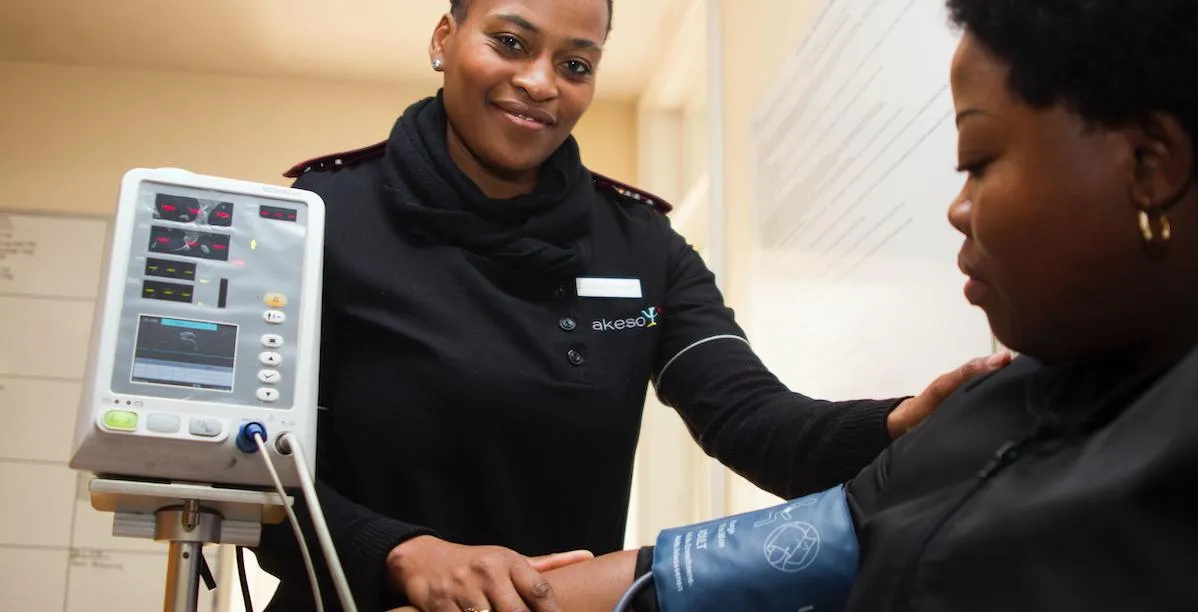
It is always better to be proactive. A clinical clearance ensures that your menopause IBS relief plan is safe and targeted to your specific needs.
FAQ
Can menopause make IBS symptoms worse?
Yes, the hormonal fluctuations characteristic of perimenopause and menopause can significantly exacerbate IBS symptoms. The decline in estrogen and progesterone affects gut motility and increases visceral sensitivity, making existing digestive issues feel more intense and frequent.
Does HRT help with IBS symptoms?
Hormone replacement therapy can help some women by stabilizing the hormonal environment that influences the gut-brain axis. By reducing the volatility of estrogen levels, HRT may help normalize bowel transit time and reduce the severity of GI symptoms, although it should be part of a broader management plan.
Why do I have digestive issues during menopause?
Digestive issues arise because the gastrointestinal tract contains receptors for female sex hormones. When these hormone levels drop, it can slow down the movement of food through the intestines, increase the production of the stress hormone cortisol, and alter the gut microbiome, all of which contribute to bloating, gas, and pain.
Can low estrogen cause bowel problems?
Absolutely. Low estrogen levels are directly linked to slower gut motility and changes in how the body processes bile. This can lead to a range of bowel problems, most notably chronic constipation, increased gas production, and a higher sensitivity to abdominal distension.
Is bloating a symptom of menopause or IBS?
It can be both. Bloating is one of the most common symptoms of the menopause transition due to water retention and slowed digestion. However, if the bloating is accompanied by persistent changes in bowel habits and abdominal pain that is relieved by a bowel movement, it may meet the criteria for IBS triggered or worsened by menopause.