Quick Facts
- Primary Goal: Reducing LDL cholesterol (LDL-C) in patients who are statin-intolerant or need additional lipid lowering.
- Mechanism: An ACL inhibitor that targets liver cholesterol synthesis while sparing muscle tissue.
- Heart Protection: Proven 23% reduction in heart attack risk and a 19% reduction in coronary revascularization.
- LDL-C Efficacy: Provides an average LDL cholesterol reduction of 15% to 25% as a standalone therapy.
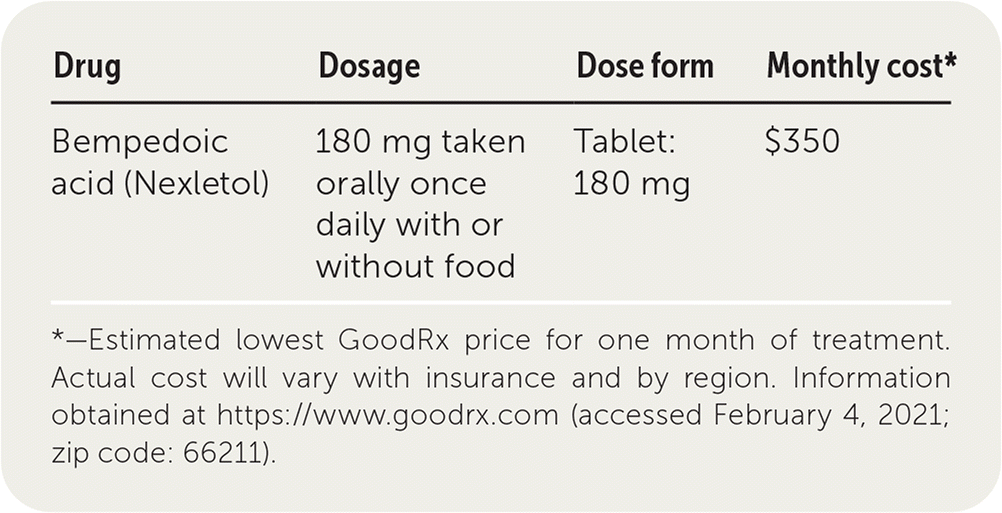
- Daily Dosage: One 180 mg oral tablet taken once daily with or without food.
- Side Effects: Lower risk of muscle pain compared to statins, but requires monitoring for gout and tendon health.
- Monitoring: Essential lipid panel assessments should occur 8 to 12 weeks after starting treatment.
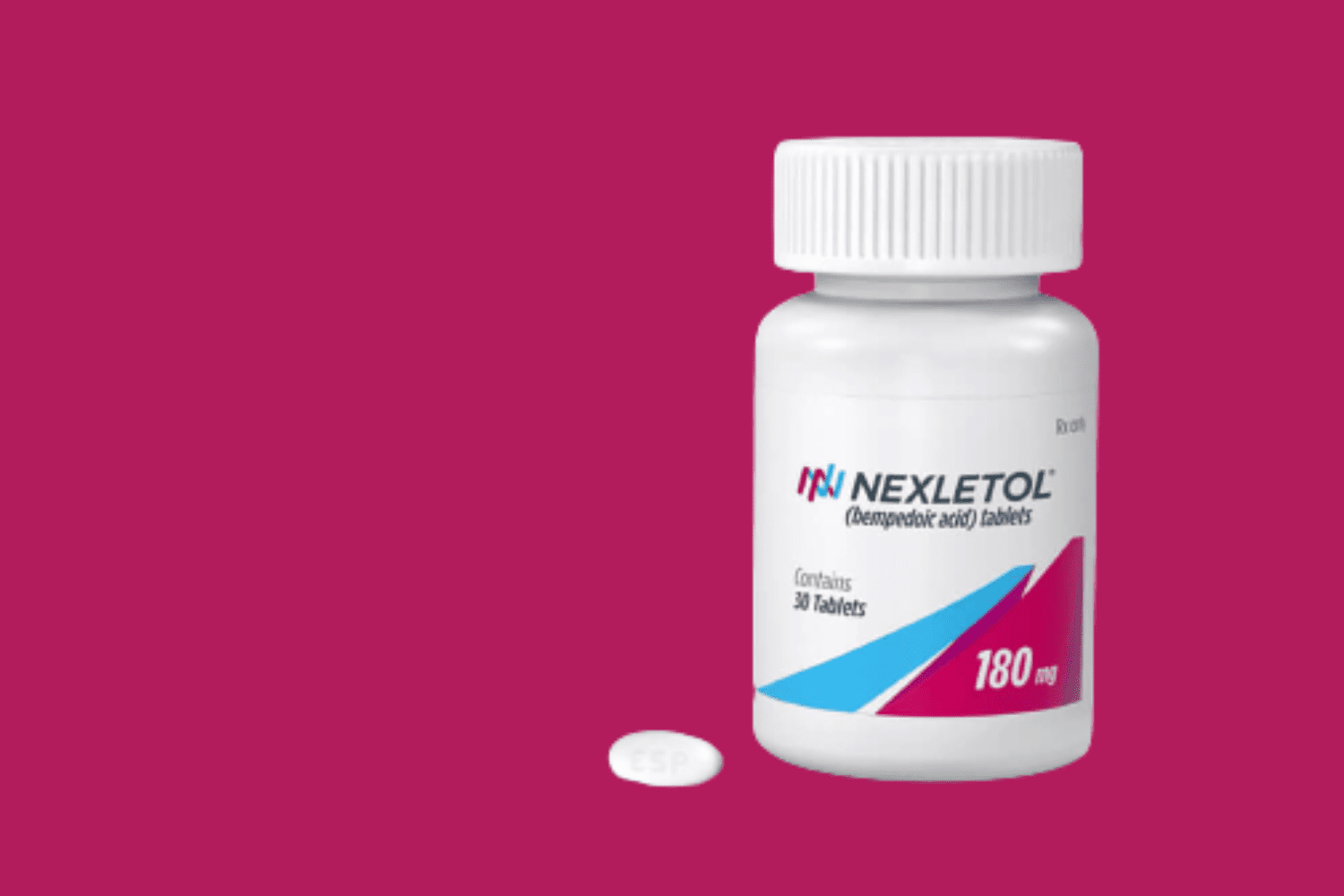
Nexletol for cholesterol is a first-in-class ACL inhibitor (bempedoic acid) that lowers LDL-C levels by interrupting cholesterol synthesis in the liver without the muscle-related side effects of statins. It offers a critical non-statin cholesterol lowering options for men who struggle with traditional therapies but still need powerful cardiovascular risk reduction.
Understanding Statin Intolerance and the Need for Alternatives
For decades, statins have been the gold standard for managing high cholesterol. However, for many men in my clinic and readership, the "gold standard" comes with a heavy price. Research suggests that between 7% and 15% of patients suffer from statin intolerance, a condition where the body cannot handle the medication, usually due to debilitating muscle-related side effects.
This muscle pain, often referred to as statin-associated muscle symptoms (SAMS) or myalgia, is the single largest barrier to long-term compliance. When your legs feel like lead and your joints ache every time you hit the gym, it is natural to want to stop the medication. Unfortunately, stopping treatment leaves your heart vulnerable to atherosclerotic cardiovascular disease. This creates a dangerous "statin gap" where patients are left without adequate protection against heart attacks and strokes.
Nexletol was developed specifically to bridge this gap. By comparing Nexletol vs statins for side effects, we see a clear shift in how the body processes the drug. While statins are active throughout the entire body—including the muscles—Nexletol focuses its energy elsewhere. For the man who values his physical performance and longevity, finding a way to lower cholesterol without sacrificing muscle function is a game-changer. It allows for consistent lipid management without the constant trade-off of physical discomfort.
How It Works: The ACL Inhibitor Difference
To understand why Nexletol for cholesterol is different, we have to look at the chemistry of the liver. Nexletol contains bempedoic acid, which belongs to a class of drugs called adenosine triphosphate-citrate lyase (ACL) inhibitors. On a basic level, both statins and bempedoic acid aim to stop the liver from producing too much cholesterol. However, their pathways are distinct.
The most important feature of bempedoic acid for LDL reduction is that it is a "prodrug." This means it enters your body in an inactive state. It only becomes "active" when it encounters a specific enzyme called very long-chain acyl-CoA synthetase-1 (ACSVL1). This specific enzyme is found in the liver but is almost entirely absent from skeletal muscle.
Because of this targeted activation, the drug carries out its work on liver cholesterol synthesis without interfering with the metabolic processes in your biceps, quads, or back muscles. This explains how bempedoic acid lowers LDL-C without statins and their associated aches. By blocking the ACL enzyme, Nexletol forces the liver to pull more LDL cholesterol out of the blood to make up for the deficit, effectively lowering your "bad" cholesterol numbers.
For patients already on a statin but not yet at their target numbers, adding this ACL inhibitor can provide an additional 18% reduction in LDL-C. This makes it a versatile tool for both those who can't take statins at all and those who need a multi-pronged approach to reach optimal health levels.
Clinical Proof: Beyond Just Numbers
As an editor focused on longevity, I don't just look at lab results; I look at hard outcomes. Does the drug actually prevent you from having a heart attack? The CLEAR Outcomes trial provided the definitive answer. This landmark study followed nearly 14,000 patients who were unable or unwilling to take statins due to adverse effects.
The results, published in the New England Journal of Medicine, were significant. Over a median follow-up period of 40.6 months, bempedoic acid reduced the relative risk of major adverse cardiovascular events by 13%. When we dig deeper into the specific events, the data becomes even more compelling for men at high risk.
| Outcome Metric | Risk Reduction with Nexletol |
|---|---|
| Heart Attack (Myocardial Infarction) | 23% Reduction |
| Coronary Revascularization (Stents/Bypass) | 19% Reduction |
| LDL Cholesterol Lowering (Average) | 15% to 25% |
These figures demonstrate that Nexletol is not just about moving a needle on a blood test; it is about providing genuine cardiovascular risk reduction. Whether you are looking at primary prevention (preventing your first event) or secondary prevention (preventing a repeat event), the evidence supports Nexletol as a robust lipid-lowering therapy.
In some cases, your doctor might discuss a Nexletol vs Nexlizet comparison for heart health. Nexlizet is a combination pill that includes both bempedoic acid and ezetimibe. This combination can be even more potent, sometimes lowering LDL-C by nearly 40%. For men with severe hypercholesterolemia, this one-two punch is often the most effective route to safety.
Safety Profile and Monitoring
While Nexletol avoids the muscle-related issues of statins, no medication is without its own set of considerations. My job is to ensure you are fully informed about the trade-offs. The most notable non-muscle risks associated with Nexletol involve uric acid and tendon health.
Data from clinical trials showed that Nexletol can increase levels of uric acid in the blood. This condition, known as hyperuricemia, can lead to the development of gout. If you have a history of gout, you must discuss this with your doctor before starting treatment. Additionally, there is a small but documented risk of tendon rupture, particularly in the Achilles, shoulder, or hand. This risk is slightly higher for patients who are over 60, taking corticosteroids, or have a history of tendon issues.
When you start Nexletol, expect a follow-up appointment for a lipid-lowering therapy assessment within 8 to 12 weeks. This check ensures the drug is working and allows your doctor to monitor your uric acid levels. You should also be aware of potential drug interactions. For instance, if you are still taking a statin, doses of simvastatin should be limited to 20 mg and pravastatin to 40 mg to avoid increased side effects.
Lifestyle and Doctor Conversations
Longevity is never just about a pill. Diet and exercise with Nexletol for best results remain the foundation of any heart-health strategy. Think of Nexletol as the reinforcement for the hard work you are already doing in the kitchen and the gym. A Mediterranean-style diet and consistent zone 2 cardio will amplify the drug’s effectiveness and improve your overall metabolic health.
If you are currently struggling with statin side effects, it is time to have a proactive conversation with your healthcare provider. Many patients suffer in silence, thinking muscle pain is just an inevitable part of getting older or managing cholesterol. It isn't.
When talking to your doctor about switching to Nexletol, you can use the following guide to ensure you cover the essentials.
Doctor’s Checklist & Conversation Guide
- Phonetic Pronunciation: NEX-le-tol (bemp-e-DOE-ic acid)
- Question 1: "I am experiencing muscle pain on my current statin. Am I a candidate for a liver-specific ACL inhibitor like Nexletol?"
- Question 2: "Based on my history of joint health or gout, what is my specific risk for hyperuricemia?"
- Question 3: "Should we consider the combination of bempedoic acid and ezetimibe (Nexlizet) for more aggressive LDL reduction?"
- Question 4: "How will we monitor my progress, and when should we schedule the first follow-up lipid panel?"
FAQ
Is Nexletol a statin?
No, Nexletol is not a statin. It belongs to a different class of medications known as ACL inhibitors. While statins work by inhibiting the HMG-CoA reductase enzyme, Nexletol targets the ATP-citrate lyase enzyme. Because it is only activated in the liver, it lacks the systemic effects that often cause muscle pain in statin users.
What are the side effects of Nexletol?
The most common side effects include an increase in uric acid levels, which can potentially lead to gout. Other reported side effects include upper respiratory tract infections, back pain, abdominal pain or discomfort, and a small increased risk of tendon rupture. Unlike statins, Nexletol has a very low incidence of muscle-related issues.
Can I take Nexletol if I cannot tolerate statins?
Yes, Nexletol is specifically indicated for patients who are statin-intolerant or cannot reach their target LDL-C levels with the maximum dose of statins they can handle. It provides an effective alternative for those who need to lower their cardiovascular risk but experience adverse reactions to traditional therapies.
Does Nexletol cause muscle pain?
Clinical trials have shown that Nexletol does not significantly increase the risk of muscle pain or weakness compared to a placebo. This is because the drug is a prodrug that requires a liver-specific enzyme to become active, meaning it generally stays away from muscle tissue.
Can Nexletol be taken with a statin?
Yes, Nexletol can be used alongside statins for patients who need additional LDL-C lowering. However, there are specific dose limitations for certain statins, such as simvastatin and pravastatin, to avoid increasing the concentration of the statin in your blood. Always consult your doctor regarding specific drug combinations.
Conclusion
Taking control of your heart health does not have to mean living with chronic muscle pain. For the modern man focused on longevity and physical vitality, Nexletol for cholesterol represents a significant shift in preventive care. By utilizing a targeted, liver-specific mechanism, this medication offers a way to achieve the necessary cardiovascular risk reduction without the side effects that derail so many fitness and wellness plans.
Whether you are fully statin-intolerant or simply need to push your LDL-C lower, the data from the CLEAR Outcomes trial proves that protection is possible. Work with your physician to determine if this ACL inhibitor is the right fit for your longevity strategy. Remember, the goal is not just a longer life, but a high-performance life free from the constraints of manageable health risks.