Quick Facts
- Nutrition Verdict: Oat milk is a healthy dairy-free choice when minimally processed, but many commercial versions are high in refined sugars and inflammatory additives.
- Glycemic Impact: Oat milk typically has a glycemic index ranging from 60 to 69, which is notably higher than the glycemic index of cow's milk, which generally ranges between 31 and 37.
- Processing Secret: The creamy texture comes from enzymatic hydrolysis, a process that breaks down oat starch into maltose, a simple sugar that can cause rapid blood sugar spikes.
- Heart Health: It is a unique source of beta-glucans, a type of soluble fiber that helps lower LDL cholesterol and supports gut health.
- Ingredient Red Flags: Avoid barista blend varieties that often contain rapeseed oil, dipotassium phosphate, and gums like carrageenan or xanthan.
- Best Practice: To mitigate the blood sugar impact, always consume oat milk as part of a meal with protein and healthy fats rather than on an empty stomach.
Oat milk health is a nuanced topic that depends entirely on the processing methods and ingredients used by the manufacturer. While it offers valuable soluble fiber and a sustainable, dairy-free alternative, the enzymatic hydrolysis used during production can lead to a significant blood sugar impact. This nutritional therapist review of oat milk examines how to navigate these trade-offs to keep your morning latte as healthy as possible.
The Sugar Paradox: Glycemic Index vs. Glycemic Load
When we think of oats, we usually think of slow-releasing complex carbohydrates that keep us full until lunch. However, turning a grain into a liquid requires a significant amount of "pre-digestion" by the manufacturer. This is where the concept of enzymatic hydrolysis comes in. During production, enzymes are added to the oat and water mixture to break down the heavy oat starches. This makes the milk creamy and naturally sweet, but it also transforms those complex carbs into maltose.
Maltose is a simple sugar with a high glycemic index, meaning it enters your bloodstream very quickly. This is why many people who monitor their glucose levels notice a sharp rise after drinking a plain oat milk latte. From a metabolic standpoint, drinking oat milk can be more similar to drinking a juice than eating a bowl of oatmeal.
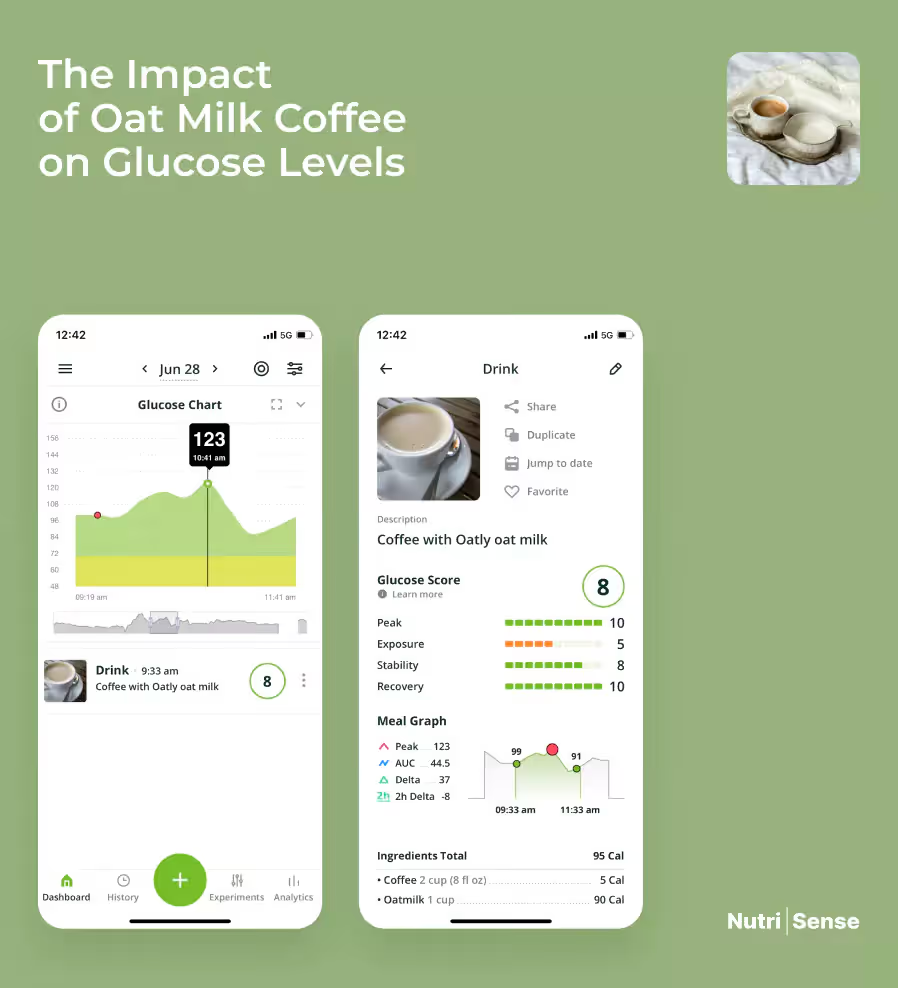
While the glycemic index is high, we also need to consider the glycemic load, which accounts for the actual amount of carbohydrates in a standard serving. A splash of oat milk in your coffee has a relatively low glycemic load, but a large 16-ounce latte made entirely with oat milk can deliver a substantial dose of liquid sugar. To manage your insulin response, I recommend pairing your oat milk with a source of protein or fat. If you are having it with cereal, add some chia seeds or walnuts. If it’s in your coffee, try to have it after a balanced breakfast rather than as your first "meal" of the day.

Label Detective: Oat Milk Additives to Avoid
The surge in popularity of oat milk has led to a flood of products on supermarket shelves, particularly the coveted barista blend. These versions are specifically designed to froth and foam like dairy milk, but that luxurious texture often comes at a nutritional cost.
Many brands add vegetable oils, most commonly rapeseed oil (also known as canola oil), to provide creaminess and mouthfeel. While these oils are generally recognized as safe, they are highly processed and high in omega-6 fatty acids, which can be pro-inflammatory when consumed in excess. Furthermore, emulsifiers and gums are frequently used to prevent the milk from separating in hot coffee.
The 'Red Flag' Ingredient Checklist:
- Rapeseed or Sunflower Oil: Used for fat content but contributes to a high processed oil intake.
- Dipotassium Phosphate: An acidity regulator that prevents curdling but can be a concern for those with kidney issues.
- Carrageenan or Xanthan Gum: Used for thickening; some individuals find these irritating to the digestive tract.
- Added Sugars: While enzymatic hydrolysis creates "natural" sugar, some brands still add cane sugar or syrups for extra sweetness.

When you are scanning labels, look for a "clean" list. The gold standard for a healthy oat milk is simply water, oats, and perhaps a touch of sea salt. If the brand is fortified, you may also see calcium carbonate or various vitamins, which can be beneficial for those following a strictly plant-based diet.
The Heart & Gut Advantage: Why It’s Not All Bad
Despite the concerns regarding blood sugar, oat milk has some legitimate nutritional superstars that shouldn't be overlooked. The most notable are beta-glucans. These are a form of soluble fiber found in the cell walls of oats. Clinical research consistently shows that beta-glucans can help lower LDL (the "bad" cholesterol) by forming a gel-like substance in the gut that binds to cholesterol and prevents its absorption.
This same soluble fiber acts as a prebiotic, feeding the beneficial bacteria in your microbiome. A healthy gut is the foundation of overall wellness, influencing everything from your immune system to your mood. For those who cannot tolerate dairy due to lactose intolerance or have a nut allergy that rules out almond or cashew milk, oat milk provides a creamy, satisfying dairy-free alternative that is much gentler on the digestive system than soy can be for some.
Furthermore, oat milk is often the most sustainable choice among plant milks. It requires significantly less water to produce than almond milk and has a lower carbon footprint than cow's milk. If you choose organic and gluten-free certified options, you are also minimizing your exposure to glyphosate residue, a common herbicide used in conventional oat farming.
The Comparison: Oat Milk vs. Nut Milk vs. Dairy
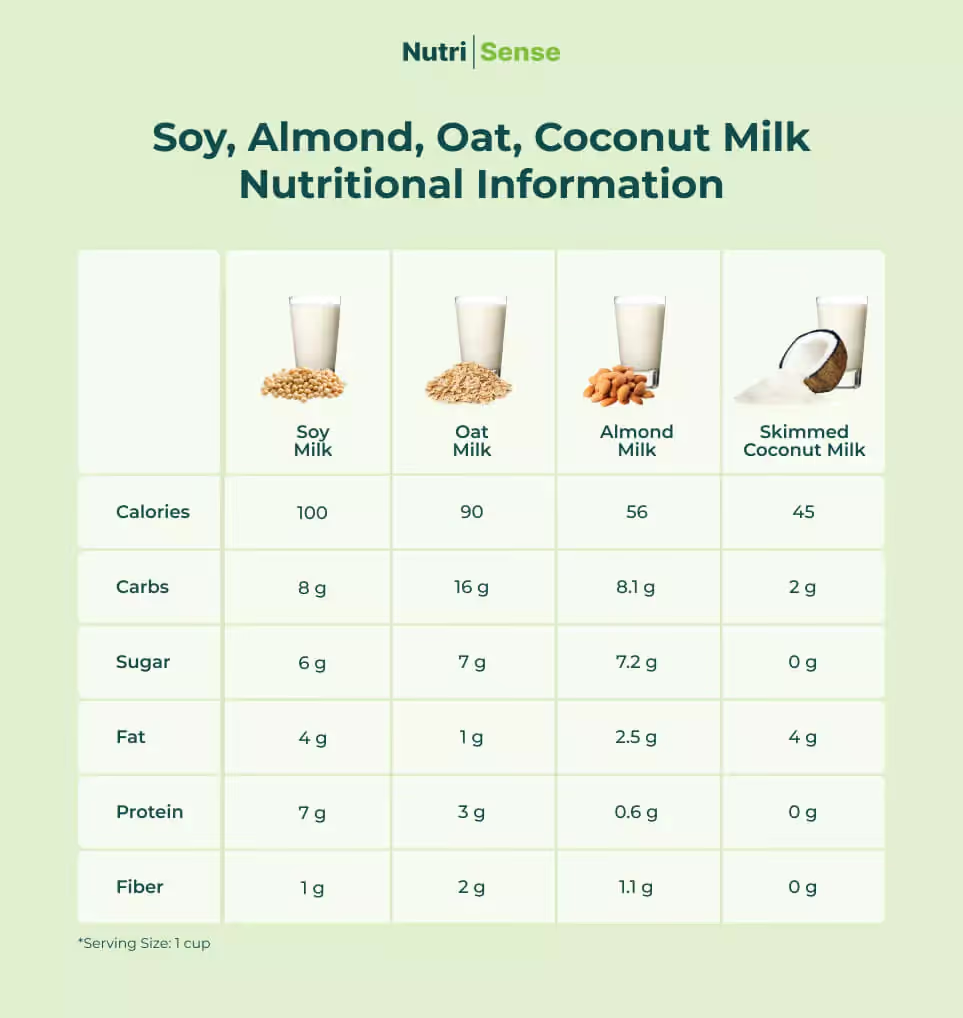
Choosing the "best" milk depends entirely on your personal health goals. Are you looking to lose weight, build muscle, or manage a specific health condition? The nutritional profile varies significantly across the board.
| Nutrient (per 1 cup) | Oat Milk (Unsweetened) | Almond Milk (Unsweetened) | Cow's Milk (2%) |
|---|---|---|---|
| Calories | 120-140 | 30-40 | 120 |
| Carbohydrates | 16g - 20g | 1g - 2g | 12g |
| Sugar | 7g (from hydrolysis) | 0g | 12g (Lactose) |
| Protein | 2g - 3g | 1g | 8g |
| Fat | 5g | 2.5g | 5g |
| Fiber | 2g (Beta-glucans) | <1g | 0g |
As the table shows, oat milk vs nut milk nutrition is a trade-off between calories and texture. If your goal is weight loss, almond milk is the winner due to its very low calorie and carbohydrate count. However, if you want something that mimics the richness of dairy, oat milk is the superior choice.
One thing to note is the bioavailability of nutrients. While many plant milks are fortified with calcium and vitamin D, they may lack the iodine naturally found in cow's milk. If you make the switch to plant-based exclusively, ensure you are getting iodine from other sources like seaweed or iodized salt.
A Nutritional Therapist’s Shopping & DIY Guide
Finding a healthy oat milk in the grocery store requires a bit of detective work. My advice is to ignore the front-of-package marketing and flip straight to the ingredient list. Look for the "Organic" seal to ensure no synthetic pesticides were used, and look for "Gluten-Free" if you have celiac disease or non-celiac gluten sensitivity, as oats are often cross-contaminated during processing.
If you want to take full control of the ingredients, you can easily make healthy oat milk at home. This is the only way to guarantee there are no added oils or gums.
How to Make Healthy Oat Milk at Home:
- Soak: Soak 1 cup of organic, gluten-free rolled oats in water for about 15-30 minutes, then rinse thoroughly. (Soaking helps reduce phytic acid, improving nutrient absorption).
- Blend: Add the oats to a high-speed blender with 4 cups of fresh filtered water. You can add a pinch of sea salt or a single pitted date if you prefer a hint of sweetness.
- The Secret: Do not over-blend! 20-30 seconds is enough. Over-blending makes the milk slimy.
- Strain: Use a nut milk bag or a fine mesh cloth. Do not squeeze too hard, as this can also release the starches that cause a slimy texture.
- Store: Keep it in a glass jar in the fridge for up to 3 days. Shake well before using.
This homemade version won't froth like a barista blend, but it is a much more nutrient-dense, whole-food option for your smoothies and cereal.
FAQ
Is oat milk actually healthy for you?
Oat milk can be a healthy part of a balanced diet, especially for those with dairy or nut allergies. It provides heart-healthy fiber and is often fortified with essential vitamins. However, its health status depends on the brand; many contain industrial additives and can cause blood sugar spikes if consumed in large quantities.
Is oat milk healthier than almond milk?
There is no "healthier" option, only a "better for your goals" option. Oat milk is better for heart health (due to beta-glucans) and sustainability, while almond milk is better for weight loss and blood sugar management because it is much lower in calories and carbohydrates.
Does oat milk spike insulin levels?
Yes, it can. Because the starches are broken down into maltose during processing, oat milk has a higher glycemic index than most other milks. This can trigger an insulin response, particularly if consumed on an empty stomach or in large amounts.
Is it okay to drink oat milk every day?
For most people, drinking a moderate amount of oat milk daily is perfectly fine. To keep it healthy, choose unsweetened versions without added oils and try to consume it alongside protein or healthy fats to balance the carbohydrate load.
What are the potential side effects of oat milk?
Some people experience bloating or gas due to the high fiber content or the presence of gums like xanthan or carrageenan. Additionally, because of the blood sugar impact, some may feel a "crash" in energy shortly after consuming a large amount of oat milk.
In summary, the answer to "is oat milk healthy?" is a resounding "it depends." By choosing organic, oil-free brands and being mindful of how it affects your blood sugar, you can enjoy this creamy dairy alternative as part of a vibrant, health-conscious lifestyle. Focus on the whole-food versions when possible, and always remember that the best diet is one that feels sustainable and nourishing for your unique body.