Quick Facts
- Substance Mortality: 2026 data shows a 50% reduction in drug-related deaths among patients using semaglutide.
- Addiction Risk: There is a 25% lower risk of developing new substance use disorders for patients on GLP-1 therapy.
- Neurobiological Mechanism: The medication modulates dopamine signaling in the ventral tegmental area of the brain.
- Therapeutic Scope: Clinical trials demonstrate efficacy for alcohol, opioids, and behavioral compulsions like shopping.
- Clinical Status: As of mid-2026, using Ozempic for addiction remains off-label while awaiting final FDA approval for this specific indication.
- Key Statistics: Patients show a 40% lower rate of opioid overdose and an 18% reduction in alcohol use disorder risk.
Recent 2026 research suggests that GLP-1 receptor agonists like Ozempic may significantly reduce addiction risk and substance-related mortality. Data indicates that these medications can lower the risk of addiction by up to 25% and cut drug-related deaths by half among individuals with substance use disorders by interacting with the brain's reward center. This shift marks a new era in metabolic psychiatry where medications originally designed for glucose control are proving to be powerful tools for ozempic addiction management and emotional resilience.
The Neurobiology of Desire: How Ozempic Recodes the Brain
For years, we viewed Ozempic primarily through the lens of metabolic health. However, as a mindfulness and mental health editor, I find the most compelling story isn't about the waistline—it is about the mind. The medication shares a 94% structural homology with human GLP-1, a hormone that does much more than manage insulin. It acts as a profound neuromodulator.
To understand how ozempic affects the brain's reward system for cravings, we must look at the mesolimbic pathway. This is the brain’s "wanting" center. When a person consumes alcohol or uses a substance, the ventral tegmental area releases a surge of dopamine, signaling to the brain that this behavior is vital for survival. This creates a feedback loop that leads to addiction.
Recent findings in 2026 research on glp-1 agonists for addiction recovery show that semaglutide stabilizes this pathway. By fine-tuning semaglutide reward center interaction, the drug effectively turns down the volume on the "noise" created by addictive substances. It dampens the dopamine spikes that usually follow a drink or a dose, making the substance feel less rewarding. For my readers practicing mindfulness, this is akin to a biological form of "urge surfing"—the medication provides the physiological space needed to choose a different response to a craving.
Key Findings 2026: Metabolic Psychiatry Overview
| Focus Area | Clinical Outcome (2026 Data) | Impact on Patient Recovery |
|---|---|---|
| Opioid Use | 40% reduction in overdose rates | Significant increase in survival and stability |
| Alcohol Intake | 50% reduction in intoxication events | Improved impulse control and social functioning |
| Behavioral Cravings | 85% drop in "obsessive thoughts" | Freedom from compulsive shopping and gambling |
| Mortality | 50% decrease in drug-related deaths | Long-term life expectancy improvements |
Clinical Evidence: Alcohol and Opioid Use Disorders
The most striking evidence comes from large-scale longitudinal studies. A 2026 study of more than 1 million patients published in the journal Addiction found that individuals prescribed GLP-1 receptor agonists like semaglutide experienced a 40% lower rate of opioid overdose and a 50% reduction in alcohol intoxication compared to those not taking the medication. These are not just incremental improvements; they represent a seismic shift in pharmacotherapy for recovery.
For diabetes patients specifically, the benefits are two-fold. Managing blood sugar is inherently stressful, and many individuals with chronic metabolic conditions struggle with secondary substance use as a coping mechanism. Research involving over 500,000 U.S. veterans with type 2 diabetes published in The BMJ indicated that use of GLP-1 medications was associated with a 14% lower risk of developing any substance use disorder and an 18% lower risk specifically for alcohol use disorder.
Furthermore, the physical sensation of a craving is being redefined in the lab. A randomized clinical trial published in JAMA Psychiatry involving adults with alcohol use disorder found that low-dose semaglutide significantly reduced weekly alcohol cravings and the quantity of alcohol consumed per drinking day compared to a placebo. This suggests that ozempic for alcohol use disorder in diabetes patients may become a standard of care in the very near future.
Beyond Substances: Curbing Behavioral Addictions
While the headlines focus on opioids and alcohol, the impact of glp-1 agonists and addictive behaviors extends into the realm of behavioral compulsions. In my work with mindfulness, we often discuss the "compulsive loop"—the ritualistic behaviors we use to soothe anxiety. This can manifest as compulsive overeating, excessive social media scrolling, or nicotine dependence.
The reduction in "food noise" that many patients report is a direct result of improved impulse control. Data from mid-2026 suggests that for many patients, the prevalence of compulsive overeating dropped from 57.5% to as low as 4.2% after six months of treatment. This has a profound effect on mental wellness, as it removes the shame often associated with lack of self-control.
We are also seeing emerging data on managing nicotine cravings while on ozempic for diabetes. Patients who were not actively trying to quit smoking have reported a spontaneous loss of interest in cigarettes. The medication appears to interrupt the neurobiology of addiction at a foundational level, making it easier for the individual to engage in healthy, mindful habits.
- Nicotine: Reduced satisfaction from smoking, leading to higher cessation rates.
- Shopping/Gambling: Lowered impulsivity and reduced "thrill-seeking" dopamine hits.
- Social Media: Retrospective data suggests a decrease in compulsive screen time among GLP-1 users.
Safety, Half-Life, and Off-Label Reality
As an editor focused on health, I must emphasize that while the 2026 data is groundbreaking, off-label ozempic use for stopping addictive behaviors requires strict medical supervision. Ozempic has a half-life of approximately seven days, meaning it stays in your system for a significant amount of time, with a total clearance period of about five weeks. This long-acting nature is part of why it is so effective for maintaining relapse prevention strategies, but it also means side effects can persist.
Safety is paramount. Patients must be screened for a history of Medullary Thyroid Carcinoma and pancreatitis. Additionally, the gastrointestinal side effects—nausea and delayed gastric emptying—can be challenging for those already dealing with the physical toll of addiction recovery. Before starting semaglutide for addiction management, clinicians typically require a full panel of medical labs to ensure the patient is a safe candidate.
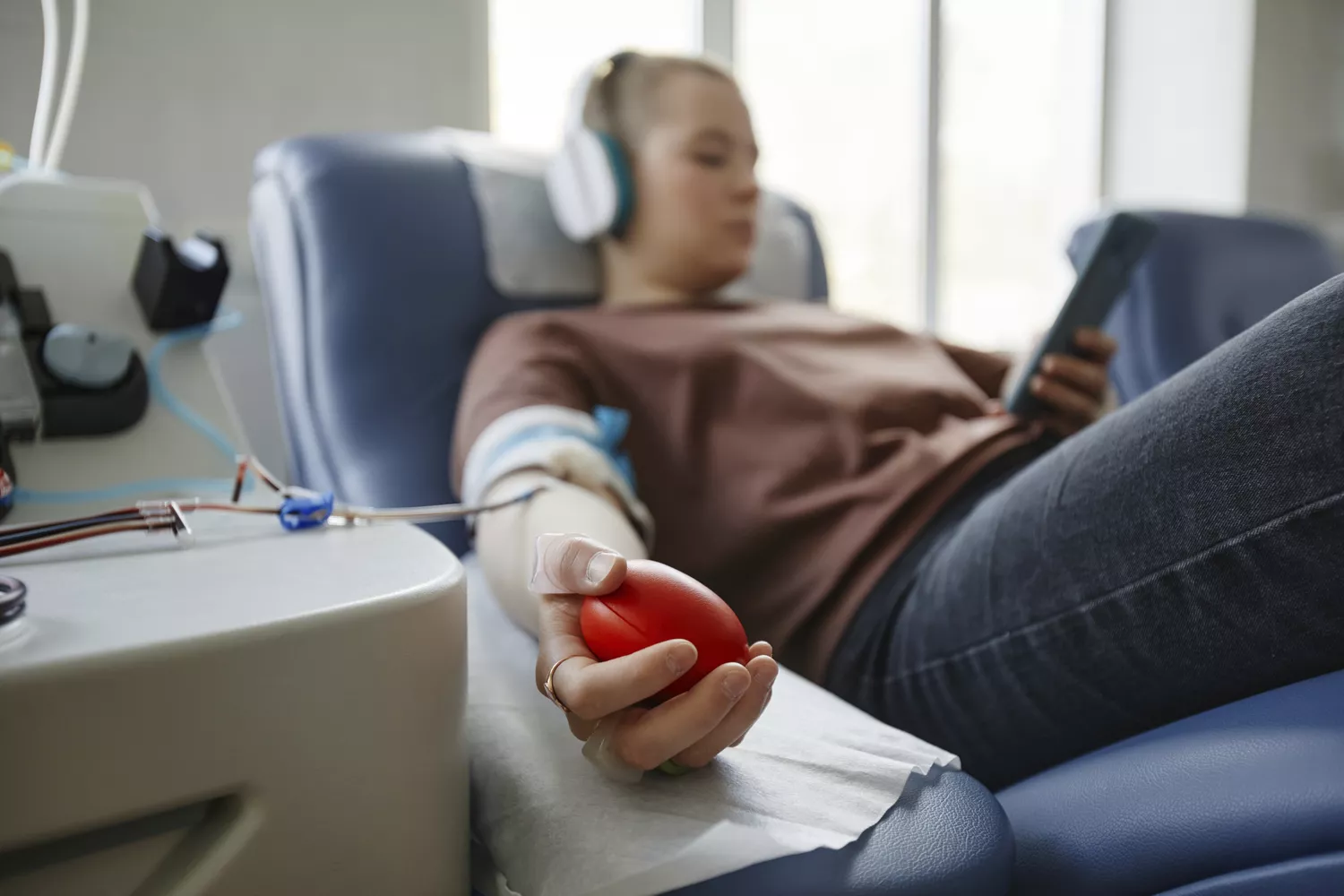
Safety Warning: Using semaglutide for addiction is currently an off-label application. It should only be explored under the guidance of a physician, preferably one specializing in metabolic psychiatry or addiction medicine. Constant monitoring of kidney function and mental health status is required to ensure the treatment supports overall resilience rather than adding new physical stressors.
The transition from using a drug for weight loss to using it for neuroplasticity represents a beautiful intersection of science and therapy. We are learning that the brain and the body are not separate entities; by healing the metabolic pathways, we are providing the brain with the stability it needs to heal from the cycle of addiction.
FAQ
Is Ozempic addictive?
No, Ozempic is not considered addictive. It does not produce a "high" or lead to drug-seeking behavior. In fact, its mechanism of action is the opposite of addictive substances; it stabilizes dopamine signaling rather than causing the erratic spikes associated with addiction.
Does Ozempic help with alcohol or substance addiction?
Recent 2026 research indicates a strong correlation between semaglutide use and a reduction in substance use disorders. Clinical trials have shown a 50% reduction in alcohol intoxication and a 40% reduction in opioid overdose rates, suggesting it is a highly effective tool for substance addiction recovery.
Can Ozempic change how the brain reacts to rewards?
Yes, Ozempic modulates the brain's reward center, specifically the ventral tegmental area and the nucleus accumbens. By dampening the dopamine response to substances and certain behaviors, it reduces the intense pleasure or "reward" the brain perceives, which helps break the cycle of addiction.
Can Ozempic reduce cravings for things other than food?
Yes, many patients report a significant reduction in various types of cravings, including alcohol, nicotine, and behavioral compulsions like gambling or shopping. This is often referred to as a reduction in "brain noise" or obsessive thoughts regarding rewarding activities.
Are there side effects when you stop taking Ozempic?
When you stop taking the medication, the suppression of cravings may gradually diminish as the drug clears your system over roughly five weeks. Some patients may experience a return of "reward noise" or increased appetite. It is crucial to have a long-term support plan and therapeutic strategies in place when transitioning off the medication.