Quick Facts
- Success Rate: Participants achieved an average weight loss of 14.9% over 68 weeks when combining the medication with lifestyle changes (STEP 1 Trial).
- Protein Goal: Aim for 80-120g of protein daily to protect your lean muscle mass during rapid weight loss.
- Fiber Target: Consume 25-38g of fiber daily to support gut motility and prevent constipation.
- Caloric Deficit: Clinical trials recommended a daily deficit of 500 calories coupled with physical activity for optimal results.
- Muscle Risk: Without adequate protein and resistance training, up to 40% of the weight lost could come from muscle rather than fat.
- Intensive Support: Combining semaglutide with structured nutritional programs can lead to an average weight loss of 16.0%.
An effective Ozempic diet prioritizes lean proteins and high-fiber foods to support weight loss and maintain muscle mass. Aim for 20-40g of protein per meal using sources like chicken, fish, or tofu while including soluble fiber to manage gut motility. By focusing on nutrient density and avoiding high-fat, ultra-processed triggers, you can maximize the benefits of semaglutide while minimizing gastrointestinal side effects.
Understanding the Mechanism: Why Your Diet Must Change
When you begin taking Ozempic, you are not just taking a weight loss drug; you are altering your internal chemistry. As a GLP-1 receptor agonist, semaglutide mimics a natural hormone that targets areas of the brain that regulate appetite and food intake. However, its most significant physical impact on your daily eating habits comes from how it slows down gastric emptying. This means food stays in your stomach significantly longer than it used to.
Because your stomach takes more time to process meals, your satiety levels remain high for much longer. This is why many patients report feeling full after just a few bites. While this is helpful for weight loss, it creates a nutritional challenge. If you are eating much less, every bite must count. Traditional large meals or heavy, greasy foods can become physically painful because they sit in the stomach too long, potentially leading to a feeling of extreme heaviness or even gastroparesis in rare, severe cases.
Adapting to this slower digestion requires a shift toward mindful eating. You must learn to listen to your body’s signals earlier than you might be used to. Because the drug blunts the "hunger roar," you need to proactively choose foods with high nutrient density to ensure your body receives the vitamins and minerals it needs to function. If you continue to eat the same way you did before the medication, you are likely to experience significant discomfort, including bloating and acid reflux.
The Protein Priority: Protecting Lean Muscle Mass
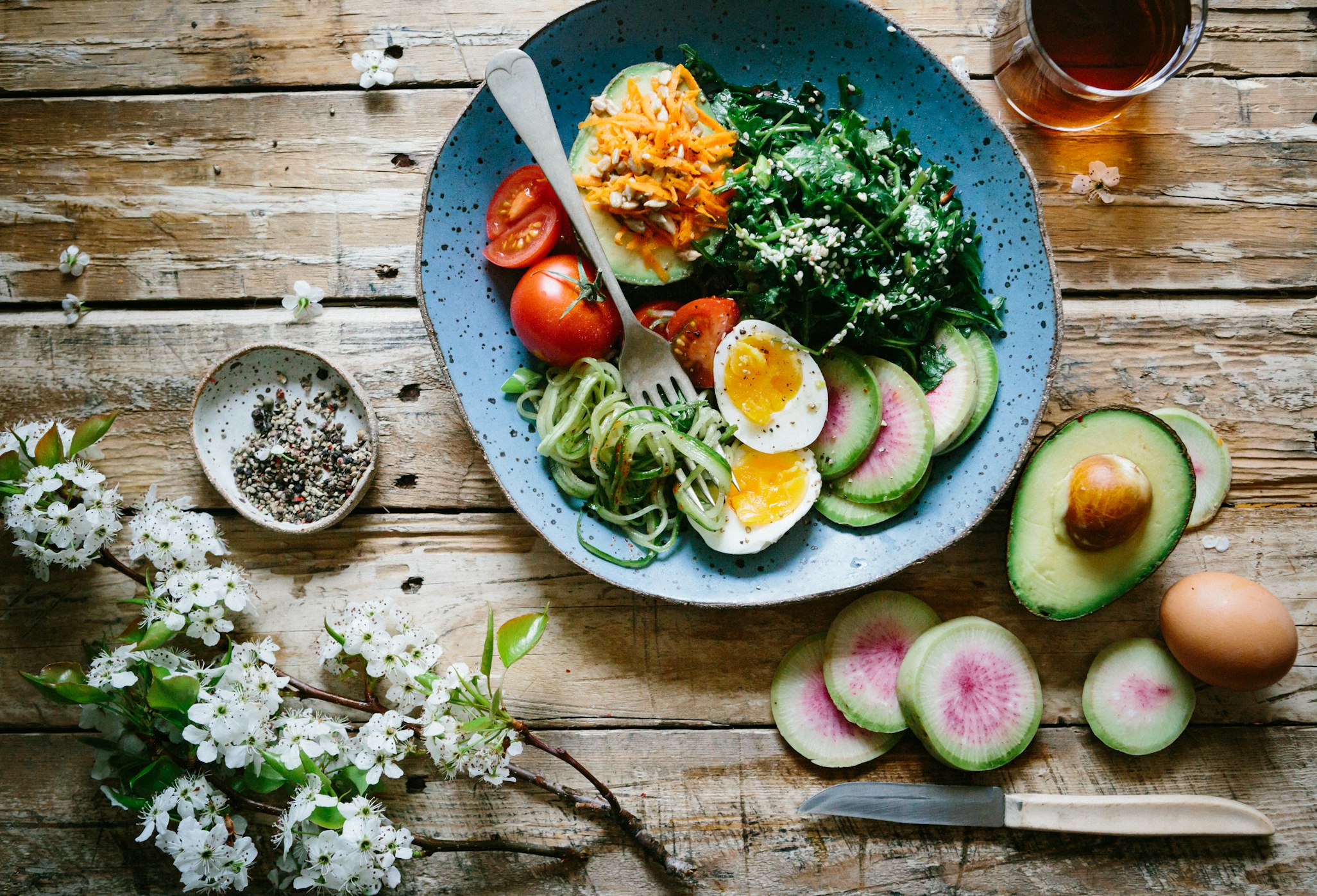
One of the biggest risks during rapid weight loss is the loss of lean muscle mass. When the body is in a significant caloric deficit, it often breaks down muscle tissue for energy along with fat. To prevent this, a muscle preservation diet for glp-1 medication users is essential. Maintaining muscle is not just about aesthetics; muscle is metabolically active tissue that helps keep your metabolism high and supports long-term weight maintenance.
To protect your strength, I recommend targeting 1.2 to 1.6 grams of protein per kilogram of body weight. For most people, this means high protein meal planning for ozempic weight loss should aim for at least 25 to 30 grams of protein at every meal. When your appetite is suppressed, it is easy to reach for simple crackers or fruit, but these will not protect your muscles.
Here are the best high protein foods for ozempic to keep in your kitchen:
- Lean Poultry: Skinless chicken breast and turkey are versatile and easy on the stomach.
- Fish and Seafood: White fish like cod or tilapia is often better tolerated than oily fish if you are experiencing nausea.
- Greek Yogurt and Cottage Cheese: These provide a high protein punch with minimal volume, making them perfect for when you feel full quickly.
- Plant-Based Options: Tofu, tempeh, and edamame are excellent for those following a vegetarian path.
- Egg Whites: Adding egg whites to your meals is a simple way to boost protein without adding much volume or fat.
Beyond diet, incorporating resistance training is the second half of the muscle preservation equation. Lifting weights or doing bodyweight exercises two to three times a week sends a signal to your body to keep its muscle tissue, ensuring that the weight you lose comes primarily from fat stores.
Managing Side Effects: Fiber, Hydration, and Digestion
The most common complaints on a semaglutide regimen involve the digestive tract. Because the medication slows down gut motility, constipation is a frequent issue. Simultaneously, the way the drug interacts with the stomach can cause bouts of nausea and bloating. Managing ozempic side effects with diet is often the difference between staying on the medication and needing to stop treatment.
Fiber is your best friend for gut health, but you must be strategic. Focus on soluble fiber, which dissolves in water to form a gel-like substance. This helps soften stools and keeps things moving through your system. However, don't increase your fiber intake too rapidly, as this can cause temporary gas and bloating.
Hydration is equally critical. Dehydration can worsen nausea and lead to fatigue. I recommend ozempic hydration tips for managing side effects that focus on "sip, don't gulp." Drinking large amounts of water during a meal can make you feel uncomfortably full. Instead, carry a water bottle and take small sips throughout the day, focusing your intake between meals. Adding an electrolyte balance powder to your water once a day can also help prevent the headaches sometimes associated with rapid weight loss.
Symptom-to-Food Mapping
| Symptom | Foods to Avoid | Foods to Include |
|---|---|---|
| Nausea | Fried foods, heavy cream, spicy peppers, sugary sodas | Ginger tea, cold melons, plain crackers, lean protein |
| Constipation | White bread, processed snacks, excessive cheese | Oats, chia seeds, raspberries, leafy greens |
| Heartburn | Citrus fruits, chocolate, peppermint, fried foods | Small portions of alkaline vegetables, non-acidic fruits |
| Bloating | Carbonated drinks, beans (if not soaked), gum | Peppermint tea, fennel, steamed zucchini |
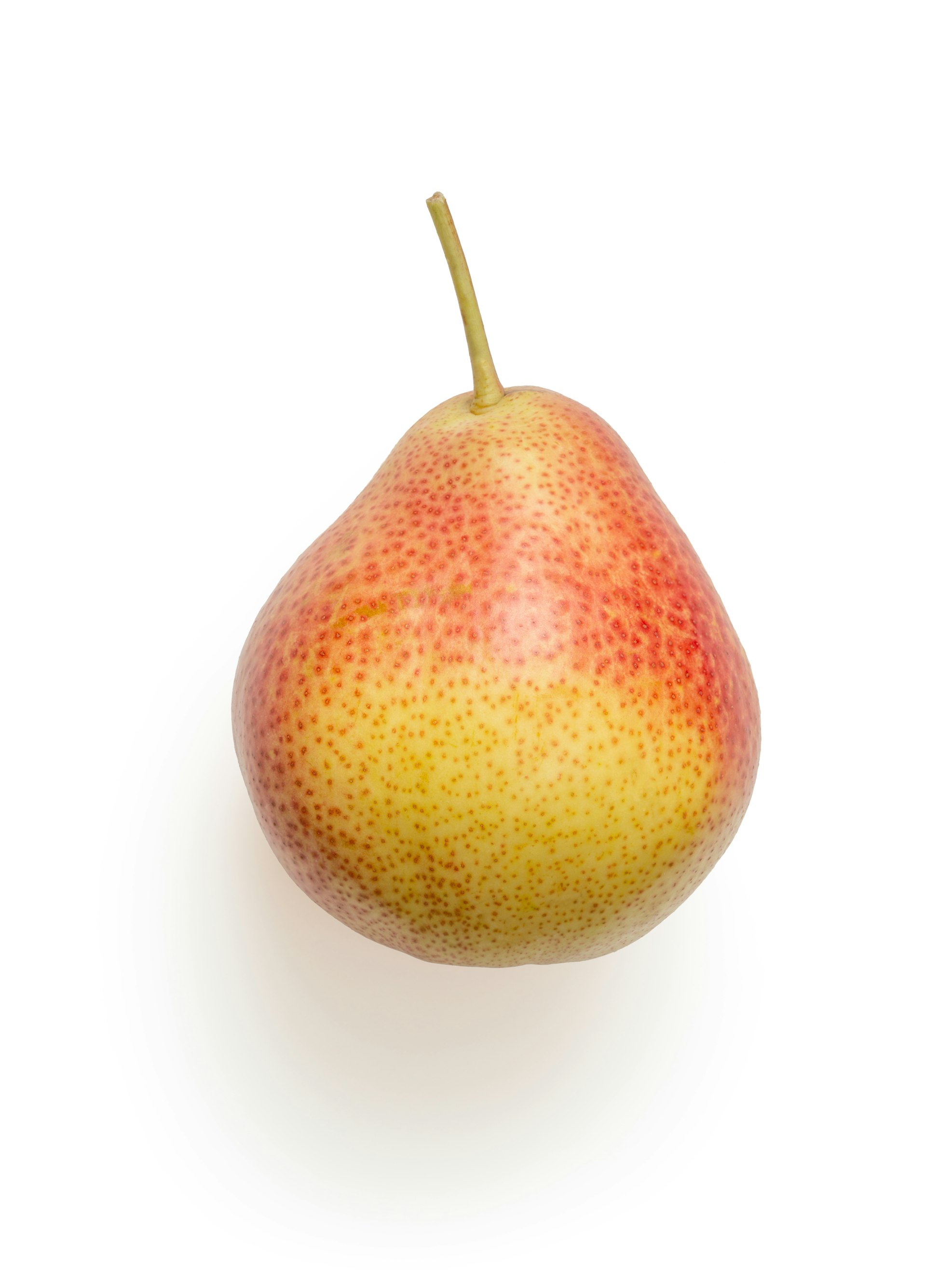
To manage the more acute feelings of queasiness, identify the specific foods to avoid to prevent ozempic nausea and bloating. High-fat, greasy dishes are the primary culprits. Because fat takes the longest to digest, it stays in the stomach even longer when combined with semaglutide, often leading to "sulfur burps" or persistent nausea.

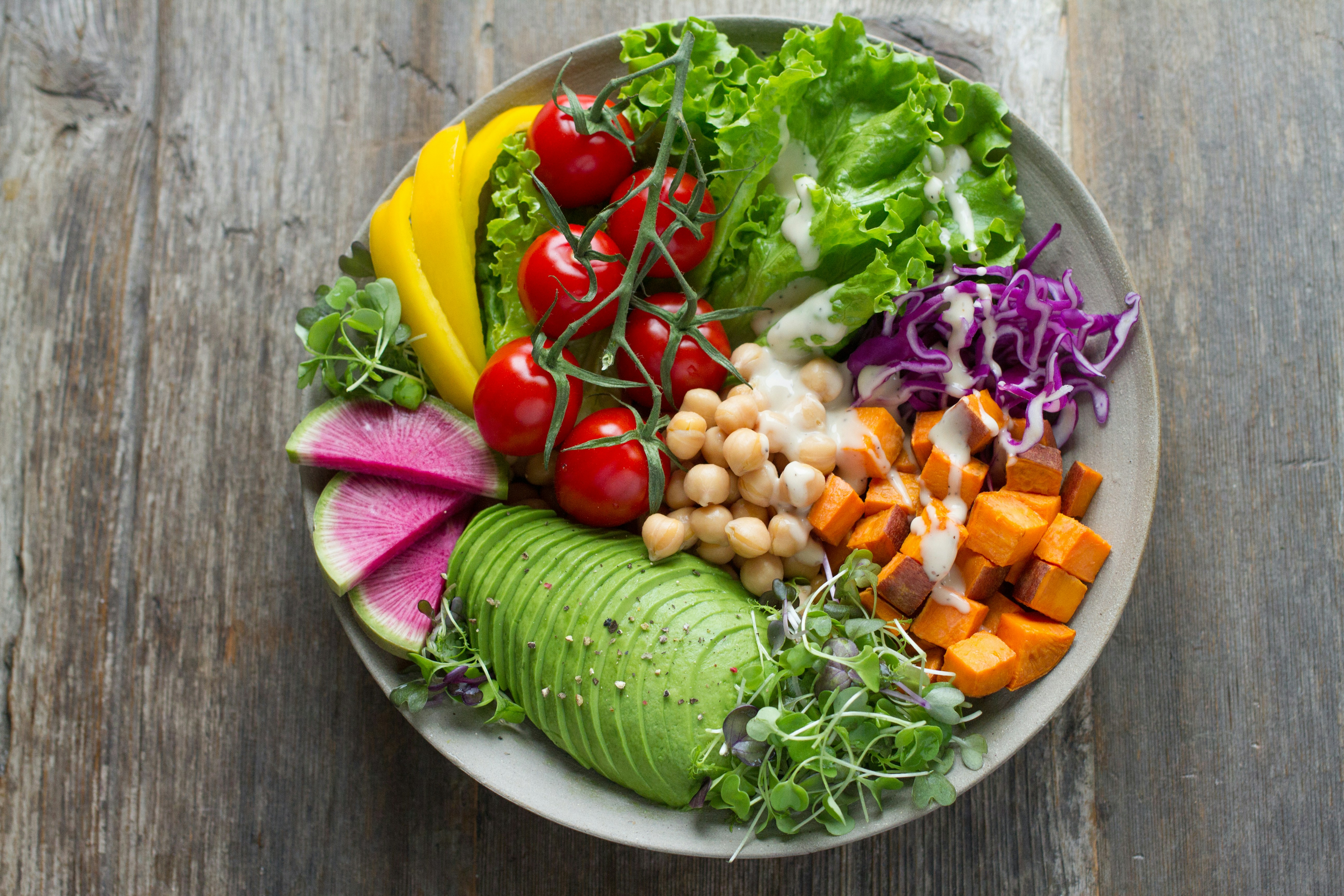
If you find yourself struggling to hit your fiber goals through whole foods alone, consider a gentle supplement. However, clinical guidance suggests eating at least five portions of fruit and vegetables per day to maintain healthy digestion naturally. The variety of nutrients found in whole produce cannot be replicated by supplements alone.
Ozempic Meal Planning: A Day in the Life
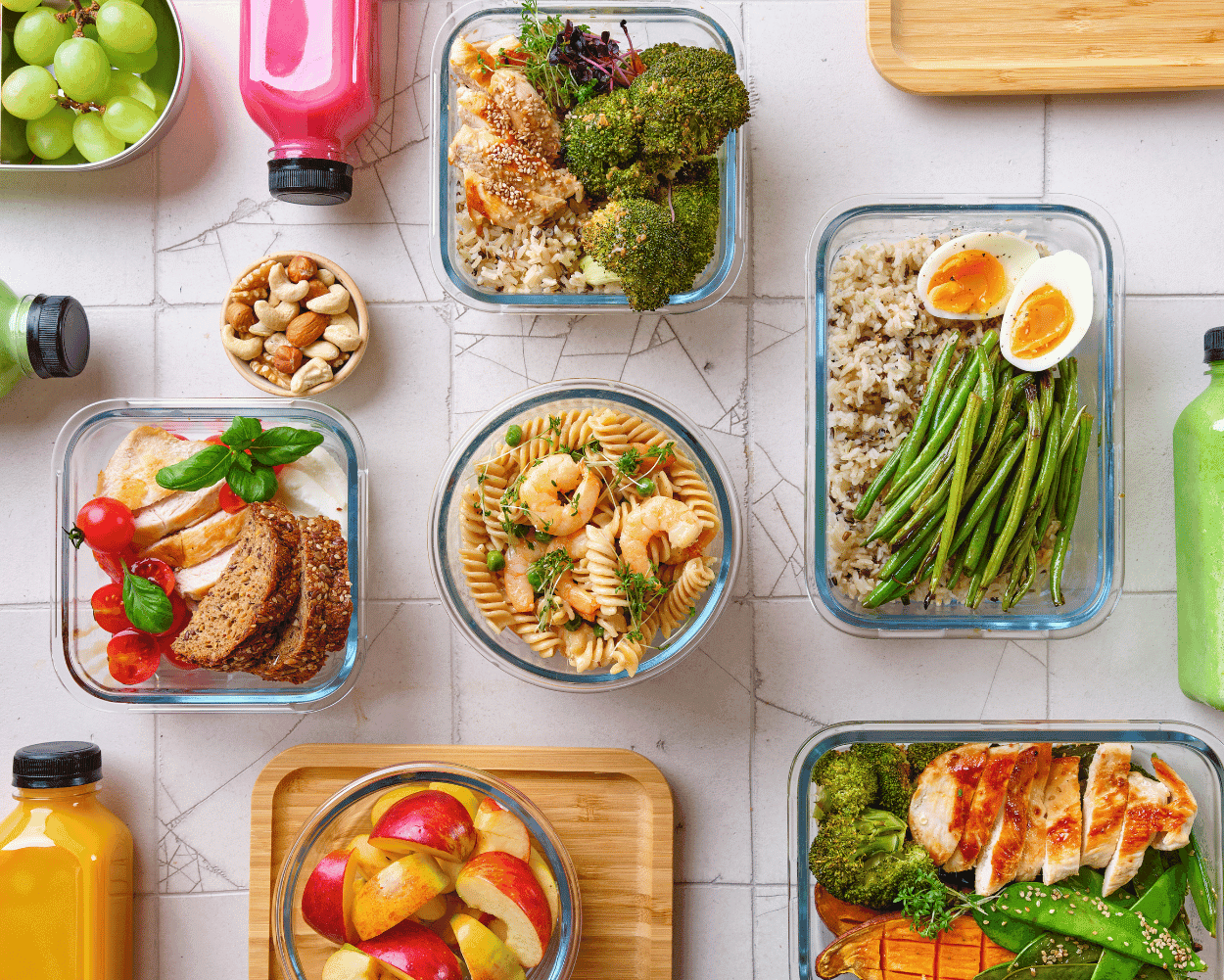
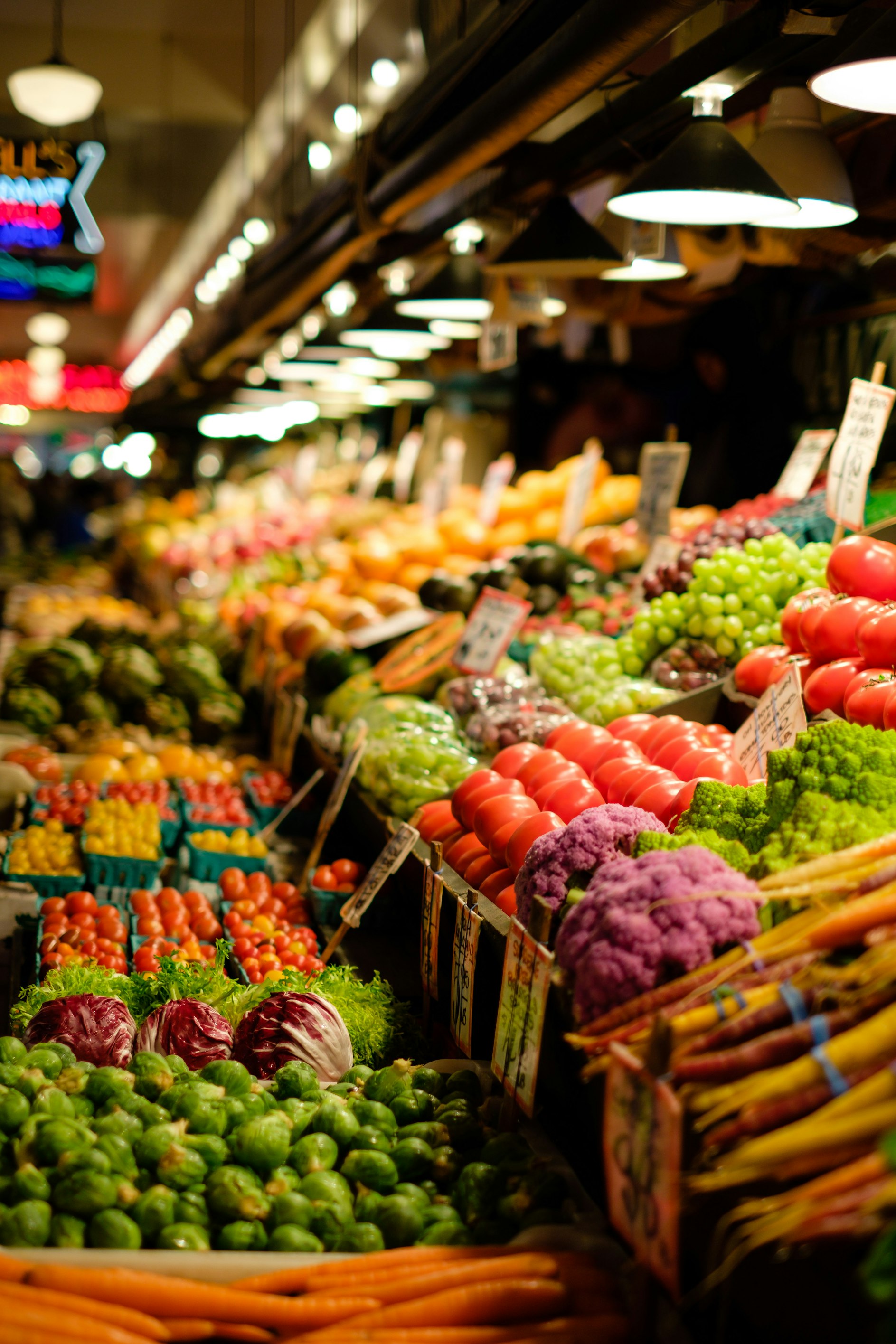
Successful ozempic meal planning tips revolve around one core concept: frequency over volume. Instead of three large meals, many people find success with 4 to 5 small, nutrient-dense "mini-meals." This prevents the stomach from becoming too full at any one time, which is a major trigger for nausea and acid reflux.
The way you start your day is particularly important. Choosing ozempic friendly breakfast ideas to sustain energy sets the tone for your blood sugar and digestion. Avoid heavy pastries or high-sugar cereals, which can lead to a mid-morning energy crash and increased nausea.
Sample Daily Menu
- Breakfast: A small bowl of overnight oats with chia seeds and a handful of blueberries.
- Mid-Morning Snack: A hard-boiled egg or a small serving of Greek yogurt.
- Lunch: Grilled chicken strips over a bed of spinach with a light lemon-tahini dressing.
- Afternoon Snack: Sliced cucumber with two tablespoons of hummus.
- Dinner: A small piece of baked cod with steamed asparagus and a quarter-cup of quinoa.
When practicing portion control strategies for eating on semaglutide, try using a smaller plate. This visually signals to your brain that you are eating a full meal, even if the volume is reduced. Most importantly, practice mindful eating. Chew your food thoroughly and pause between bites. It takes time for the "fullness" signal to reach your brain, and on this medication, that signal is your most important tool for avoiding overconsumption.
FAQ
What is the best diet to follow while taking Ozempic?
The most effective diet while taking semaglutide is one that emphasizes lean protein, fiber-rich vegetables, and complex carbohydrates while remaining in a modest caloric deficit. There is no need for restrictive "fad" diets; instead, focus on high nutrient density to ensure you meet your micronutrient needs while eating smaller portions.
Which foods should you avoid on Ozempic?
You should prioritize avoiding high-fat, greasy, and ultra-processed foods, as these significantly slow digestion and can trigger severe nausea and bloating. It is also wise to limit spicy foods, highly acidic citrus, and sugary snacks, which are common triggers for acid reflux and stomach discomfort when gastric emptying is delayed.
Why does Ozempic make you feel full so quickly?
Ozempic mimics the GLP-1 hormone, which has two main effects: it signals the brain's satiety centers to reduce hunger and physically slows the rate at which food leaves the stomach. This slower gastric emptying means the physical sensation of a full stomach lasts much longer than usual, often resulting in satiety after only small amounts of food.
Should I follow a high-protein diet on Ozempic?
Yes, a high-protein approach is highly recommended. Rapid weight loss can lead to a significant loss of lean muscle mass, which can lower your metabolic rate. Consuming 20-40g of protein per meal helps preserve your muscle tissue and keeps you feeling satisfied, which is essential for long-term health and maintaining your weight loss.
What are the best snacks to eat when taking Ozempic?
The best snacks are those that provide protein and fiber without being too heavy. Good options include Greek yogurt, a small handful of almonds, sliced cucumbers with hummus, or a piece of string cheese. These snacks provide steady energy and help you meet your daily nutritional targets without overwhelming your digestion.