Quick Facts
- The 15-Minute Rule: Chest pain lasting over 15 minutes, especially during exertion, requires immediate ER attention.
- The Rest Test: Panic symptoms often improve with relaxation; heart attack symptoms do not.
- Misdiagnosis Risk: Women are 50% more likely to be misdiagnosed with anxiety during a cardiac event.
- Onset Differences: Heart attacks typically occur during physical exertion with persistent pain, while panic attacks peak within 10 minutes and subside with rest.
- Heart Rate Surge: During a panic attack, a person's heart rate can surge to 200 beats per minute or more, though these symptoms usually peak within minutes and subside within half an hour.
- Symptom Radiation: Cardiac pain often travels to the left arm, jaw, or neck, whereas panic sensations usually remain localized in the chest.
Identifying a panic attack vs heart attack quickly is critical. While both cause chest pain and a sense of impending doom, their onset, duration, and radiation patterns differ significantly. Heart attacks typically occur during physical exertion, with symptoms that persist or worsen during activity. Panic attacks often arise during states of rest or emotional stress and may improve with relaxation techniques. While heart attack pain is constant and unrelieved by rest, panic attack symptoms tend to peak quickly and then gradually subside as the person calms down.
Comparing Pain: Crushing Weight vs. Sharp Tightness
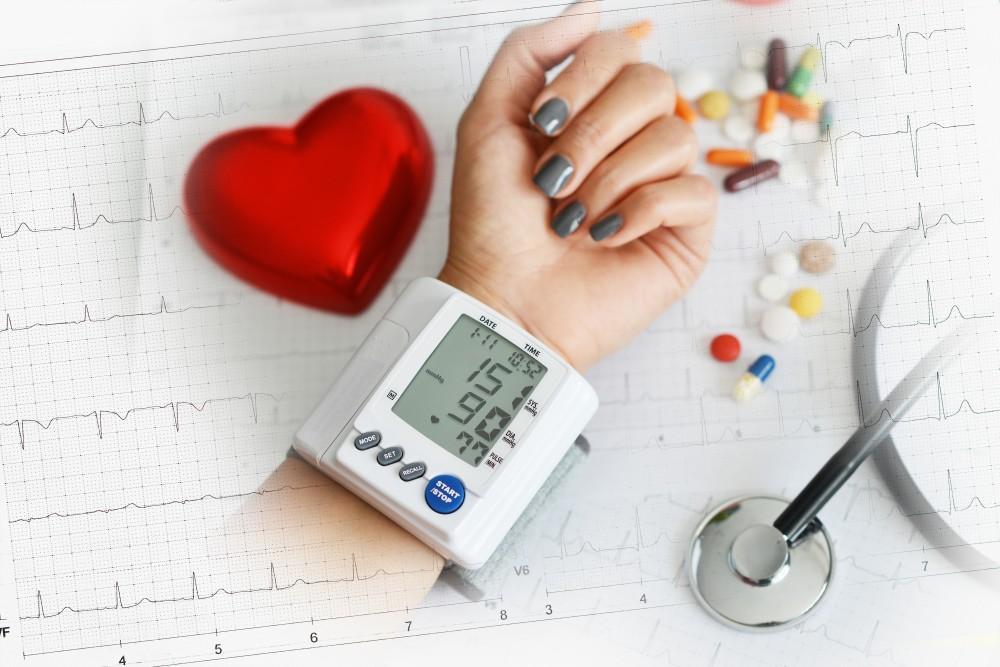
In my years specializing in preventive healthcare, I have observed that the most frightening aspect of a panic attack is how convincingly it mimics a life-threatening cardiac event. To begin differentiating cardiac chest pain vs panic attack, we must look at the specific quality of the sensation. A myocardial infarction, the clinical term for a heart attack, generally presents as a heavy, crushing pressure. Patients often describe it as if an elephant is sitting on their chest or a tight band is being squeezed around their ribcage. This is frequently accompanied by angina pectoris, which is chest pain caused by reduced blood flow to the heart muscle.
Conversely, the discomfort experienced during a panic attack is often described as a sharp tightness or a stabbing sensation. This is frequently a byproduct of hyperventilation, where rapid, shallow breathing causes the chest muscles to spasm. While a heart attack victim feels a deep, internal weight that they cannot point to with a single finger, a person experiencing anxiety might find the pain is more localized to a specific spot. Understanding how to tell if chest pain is anxiety or heart attack starts with recognizing these sensory nuances.
| Feature | Heart Attack (Myocardial Infarction) | Panic Attack (Anxiety) |
|---|---|---|
| Pain Type | Crushing, heavy pressure, squeezing | Sharp, stabbing, or localized tightness |
| Location | Substernal, often radiating | Usually localized to the chest center |
| Response to Rest | Pain persists or worsens | Symptoms usually improve with calm |
| Associated Signs | Cold sweats, nausea, shortness of breath | Tingling, shaking, hyperventilation |
| Heart Rate | May be irregular or fast | Significant surge, up to 200+ BPM |
To help you keep track of these differences during a high-stress moment, refer to this heart attack vs panic attack symptoms checklist:
Heart Attack Symptoms Checklist
- Constant, heavy pressure in the center of the chest
- Pain that radiates to the jaw, neck, back, or left arm
- Profuse cold sweating, also known as diaphoresis
- Shortness of breath that occurs with minimal movement
- Nausea or a feeling of severe indigestion
Panic Attack Symptoms Checklist
- Sharp or needle-like chest pains
- Rapid heart palpitations or a racing pulse
- Trembling or shaking throughout the body
- Tingling sensations in the hands or feet
- Sudden, overwhelming fear of dying or losing control

Duration and Triggers: The 10-Minute Peak vs. Persistent Progression
When we look at the lifestyle factors and triggers behind these events, the panic attack vs heart attack duration differences become a vital diagnostic tool. Heart attack symptoms tend to develop and intensify over time. They are frequently triggered by physical exertion—walking up a flight of stairs, shoveling snow, or engaging in intense exercise—because the heart is demanding more oxygen than the narrowed arteries can provide. This is a hallmark of coronary artery disease. If the pain starts during activity and does not go away when you sit down, it is a significant red flag.
A panic attack, however, can strike out of nowhere, often while a person is at rest or even asleep. The symptoms of heart attack vs anxiety differ in their "arc." A panic attack typically reaches its absolute peak of intensity within 10 minutes. According to data from the Cleveland Clinic, while a person's heart rate can surge to 200 beats per minute during these episodes, the symptoms usually begin to subside within 20 to 30 minutes. In contrast, heart attack pain is unrelenting; it does not "peak and fade" but rather remains constant or continues to build in severity. Identifying the heart attack vs panic attack triggers and onset is often the first step in deciding whether to call for help.
Beyond the Chest: Radiating Pain and Silent Signs in Women
One of the most critical aspects of preventive care is acknowledging that health events do not look the same for everyone. When we discuss radiating pain left arm anxiety or heart attack, we are looking at how the nervous system processes pain signals. During a heart attack, the pain often radiates outward from the chest to the left arm, the jaw, the neck, or even the shoulder blades. In a panic attack, you might feel paresthesia—a tingling or "pins and needles" sensation—in your arms or hands, but it is rarely the dull, aching radiation associated with a cardiac event.
We must also address a serious gap in medical diagnosis. Research indicates that women have a 50 percent higher chance than men of receiving an incorrect initial diagnosis following a heart attack, often because their symptoms are attributed to anxiety or stress. Furthermore, women are twice as likely as men to be diagnosed with a panic attack in the 24-hour period before they are ultimately found to be suffering from a heart attack.
The signs of heart attack in women vs panic attack can be particularly subtle. Women are more likely to experience "silent" signs such as extreme fatigue, lightheadedness, or pain in the upper back or jaw, rather than the classic "hollywood" heart attack of clutching the chest. If you are a woman experiencing unusual shortness of breath or persistent nausea alongside chest discomfort, do not let it be dismissed as simple stress.
The Biological Mimicry: How Stress Hormones Narrow Arteries
It is fascinating, though terrifying, how the body's stress response can physically mimic cardiovascular disease. When you experience a panic attack, your brain triggers a massive release of adrenaline and cortisol. These hormones are designed for "fight or flight," and they cause a temporary but sharp spike in blood pressure and heart rate. In some cases, extreme emotional distress can even lead to stress cardiomyopathy, sometimes called broken heart syndrome, where the heart muscle temporarily weakens and mimics the symptoms of a myocardial infarction.
In a clinical setting, doctors use specific diagnostic markers to cut through this mimicry. For instance, they will check troponin levels in the blood. Troponin is a protein released when the heart muscle is damaged; if levels are elevated, it confirms a cardiac event. They will also use an EKG to monitor the electrical activity of the heart. These tools allow medical professionals to definitively distinguish between the physiological effects of a panic attack and the structural damage of a heart attack. Even if you have a history of anxiety, new or different chest pain should always be evaluated through these objective cardiovascular health measures.

When to Seek Help: The 15-Minute Rule
As an editor focused on preventive care, I always lean toward caution. While it is helpful to understand the nuances of a panic attack vs heart attack, you should never attempt to self-diagnose if the pain is severe or unusual. We use the 15-minute rule as a hard diagnostic threshold: if chest pain persists for more than 15 minutes, worsens with physical movement, or is accompanied by radiating discomfort and cold sweats, you must seek immediate emergency medical evaluation.
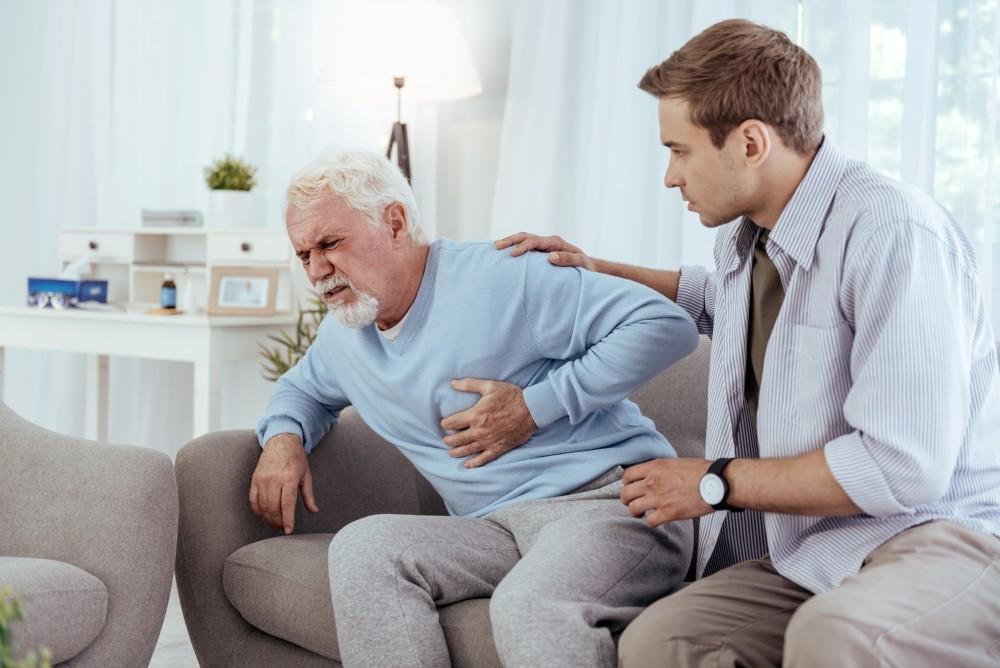
Emergency Warning: If you experience a crushing sensation in your chest, profuse diaphoresis (cold sweats), and pain that moves into your jaw or left arm, call emergency medical services immediately. Do not attempt to drive yourself to the hospital.
Even if it turns out to be a severe panic attack, the medical team would much rather treat a false alarm than have you stay home during a real cardiac event. High-stress situations make it difficult to think clearly, so having a pre-determined plan—knowing which hospital is closest and having your medical history accessible—is a vital part of a healthy lifestyle.
FAQ
How can you tell the difference between a panic attack and a heart attack?
The primary differentiator is the onset and the nature of the pain. Heart attacks often occur during physical activity, with the pain persisting or getting worse over time. Panic attacks usually happen at rest or during a period of high emotional stress, with symptoms reaching a peak quickly—usually within 10 minutes—and then gradually fading as the person calms down.
Does heart attack pain feel different from panic attack pain?
Yes, typically. Heart attack pain is described as a heavy, crushing pressure or a squeezing sensation deep within the chest. Panic attack pain is more often described as sharp, stabbing, or a tight "knot" that is localized to one area. Additionally, heart attack pain is more likely to radiate to other parts of the body.
Can anxiety cause left arm pain?
Anxiety can cause a tingling or "pins and needles" sensation (paresthesia) in the left arm due to hyperventilation and the body's stress response. However, if the arm pain is a dull, heavy ache that occurs alongside chest pressure, it is much more likely to be a sign of a cardiac event rather than simple anxiety.
When should I go to the hospital for chest pain?
You should seek emergency help if your chest pain lasts longer than 15 minutes, is accompanied by shortness of breath and cold sweats, or if the pain radiates to your neck, jaw, or arms. If you have any doubt at all, especially if you have risk factors for heart disease, call emergency medical services immediately.
What are the warning signs of a heart attack in women?
Women may not always experience the classic crushing chest pain. Instead, they may feel extreme unexplained fatigue, nausea, lightheadedness, or pain that is situated in the upper back, jaw, or neck. Because these symptoms can be subtle, they are often mistaken for stress or the flu, making it vital to pay attention to any sudden, unusual changes in how you feel.