Quick Facts
- Omega-3 Lead: Walnuts are the clear winner, containing 2,570 mg of alpha-linolenic acid (ALA) per ounce compared to 186 mg in pecans.
- Fiber and Minerals: Pecans offer more dietary fiber (2.7g) and significantly higher levels of vitamin E and monounsaturated fats.
- Protein Content: Walnuts provide more plant-based protein per serving, roughly 4.3g versus 2.6g in pecans.
- Cholesterol Impact: Both nuts are clinically proven to lower LDL cholesterol, with pecans showing a 6% to 9% reduction and walnuts showing up to 7.9% in men.
- Daily Portion: A standard heart-healthy serving is 1 ounce, which equals about 19 pecan halves or 14 walnut halves.
- Glycemic Index: Pecans have a very low glycemic index, making them excellent for managing blood sugar alongside cardiovascular health.
When comparing pecans vs walnuts, walnuts are notably higher in protein and omega-3 fatty acids, specifically alpha-linolenic acid (ALA). In contrast, pecans contain more dietary fiber, less sodium, and a higher concentration of monounsaturated fats, which are also beneficial for cardiovascular stability.
Choosing between these nuts depends on specific health goals. Walnuts are ideal for boosting omega-3 and brain function, while pecans offer more fiber and monounsaturated fats. Both nuts support heart health by improving lipid profiles and can be used interchangeably in most cardiovascular-friendly recipes.
Omega-3 Showdown: Why Walnuts Lead in ALA
As a nutrition editor, I am frequently asked which nut deserves the "superfood" crown for the heart. When we look strictly at the omega-3 content, the answer is definitive. Walnuts are a superior source of polyunsaturated fats, which help fight oxidative damage and lower LDL cholesterol levels. Specifically, walnuts contain significantly higher levels of alpha-linolenic acid (ALA), the plant-based omega-3 fatty acid, providing approximately 2,570 mg per 1-ounce serving compared to roughly 186 mg in a similar serving of pecans.
This massive discrepancy in the pecans and walnuts omega-3 comparison is why walnuts are often the first recommendation for a Mediterranean diet. ALA is an essential fatty acid that our bodies cannot produce on their own. It plays a critical role in reducing systemic inflammation and maintaining the structural integrity of our vascular system. While the body converts ALA into the longer-chain EPA and DHA found in fish with limited efficiency, the ALA itself offers independent protective benefits for the heart.
The polyunsaturated fatty acids in walnuts are particularly effective at combating oxidative stress. This is the process where "free radicals" damage the lining of your arteries, eventually leading to plaque buildup. By consuming a handful of walnuts daily, you are essentially providing your cardiovascular system with a dense shield of antioxidants and healthy fats.
The Pecan Profile: Fiber, Vitamin E, and Monounsaturated Fats
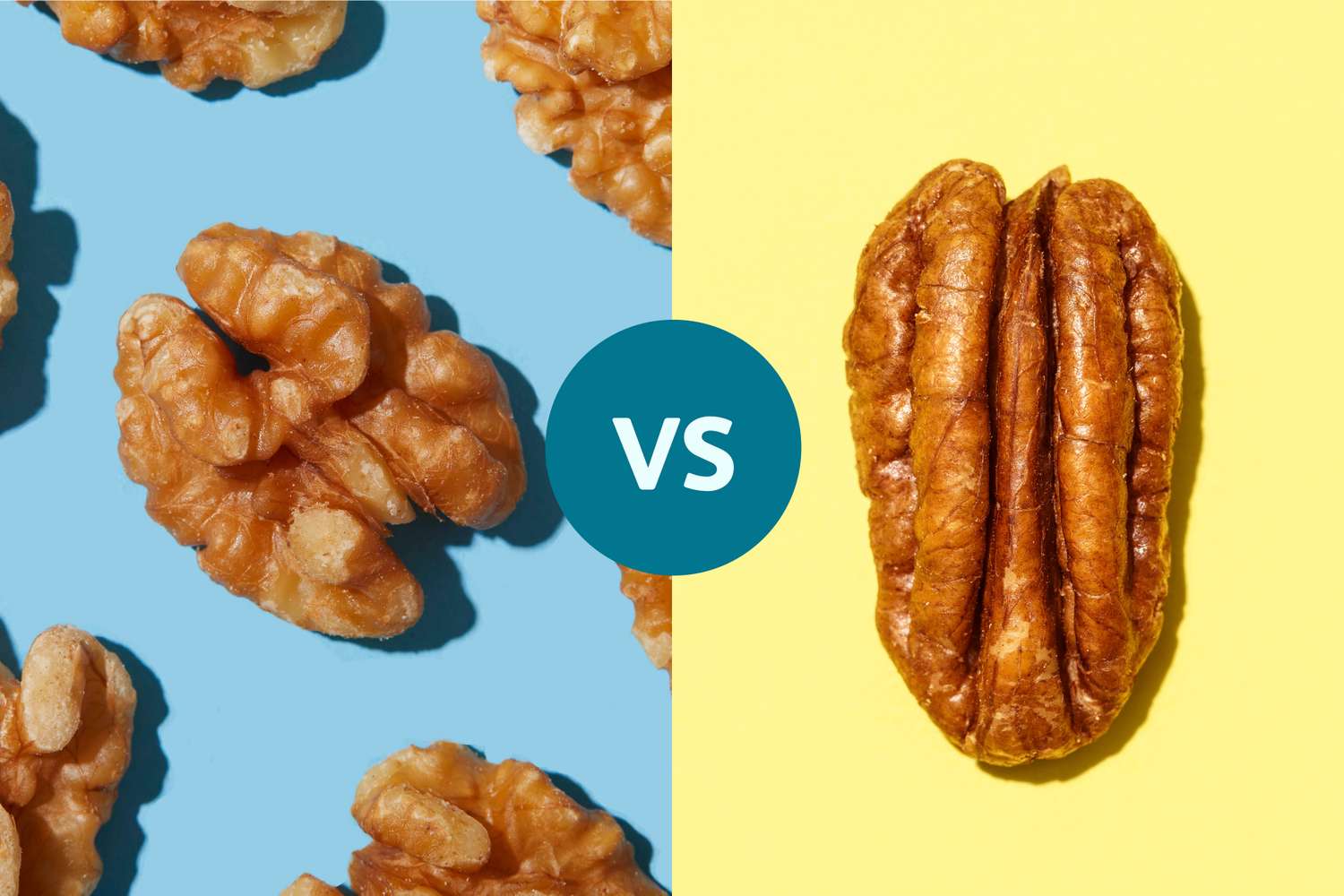
While walnuts dominate the omega-3 category, pecans bring their own unique nutritional arsenal to the table. One of the most significant nutritional differences between pecans and walnuts is the type of fat they contain. Pecans are exceptionally rich in monounsaturated fatty acids—the same heart-healthy fats found in avocados and olive oil. In fact, pecans contain about 11.6 grams of monounsaturated fat per ounce, which is over 350% more than what you find in walnuts.
Monounsaturated fats are prized for their ability to maintain healthy HDL (good) cholesterol levels while helping to clear out the LDL (bad) cholesterol. Furthermore, pecans are often referred to as the "Vitamin King" among tree nuts. They are loaded with vitamin E, specifically gamma-tocopherols. This specific form of vitamin E prevents the oxidation of fats in the bloodstream, which is a key step in preventing heart attacks and strokes.
Another area where the cardiovascular benefits of pecans vs walnuts lean toward the pecan is dietary fiber. With 2.7 grams of fiber per ounce, pecans provide a significant boost to digestive health and help regulate blood sugar levels. This contributes to a lower pecans vs walnuts glycemic index for heart patients, which is vital because high blood sugar can damage artery walls over time. If you are looking for a snack that provides a "slow burn" of energy without spiking your insulin, pecans are an excellent choice.
Nutritionist's Tip: To get the most out of your nuts, eat them with the "skin" on. The thin, slightly bitter outer coating of both pecans and walnuts contains the highest concentration of polyphenols and antioxidants.
Impact on Heart Health: LDL Cholesterol & Blood Pressure
The true test of any food is how it performs in clinical settings. Recent longitudinal studies, including a 2025 review of over 50 nutritional interventions, have solidified the role of both nuts in lipid management. For instance, clinical research has demonstrated that consuming approximately 68 grams of pecans daily for eight weeks can reduce low-density lipoprotein (LDL) cholesterol by 6% to 9% in adults at risk for cardiovascular disease.
Walnuts have been studied even more extensively for their long-term effects. A study of 636 older adults found that incorporating half a cup of walnuts into a daily diet for two years significantly reduced LDL cholesterol, with an average reduction of 7.9% in men and 2.6% in women. This suggests that the cardiovascular benefits of pecans vs walnuts are comparable in terms of cholesterol reduction, even if they achieve those results through different nutrient pathways.
Beyond cholesterol, both nuts contribute to blood pressure management. The magnesium and potassium found in the Juglandaceae family (the botanical family for both nuts) help the blood vessels relax, improving blood flow. Whether you are tracking how many walnuts vs pecans per day for lower cholesterol or simply trying to improve your overall nutrient density, both choices are winners in a heart-healthy diet.

Practical Guide: Choosing and Using Your Nuts
Understanding the science is one thing, but knowing how to use these nuts in your kitchen is where the real health transformation happens. Because walnuts are higher in polyunsaturated fats, they are more susceptible to heat and light. This means they can go rancid more quickly. I always recommend storing your walnuts in the refrigerator or freezer to preserve those precious omega-3s.
Pecans have a naturally sweeter, more buttery profile, making them a favorite for breakfast foods. They are excellent when chopped into oatmeal or yogurt. Walnuts have a slightly more earthy and bitter finish, which pairs beautifully with savory dishes. Think of them as a natural replacement for croutons in a salad or a base for a plant-based pesto.
When people ask can you substitute walnuts for pecans in heart healthy recipes, the answer is a resounding yes. From a structural standpoint, they behave very similarly in baking and cooking. However, keep in mind that the flavor profile will shift. Replacing pecans with walnuts in a muffin will result in a less sweet, more robust flavor. Conversely, using pecans instead of walnuts in a salad might add a touch of natural sweetness that balances out a tart vinaigrette.
FAQ
Which nut has more omega-3 fatty acids?
Walnuts are the clear leader in this category. They provide about 2,570 mg of alpha-linolenic acid (ALA) per one-ounce serving. In comparison, pecans only offer about 186 mg per ounce. If your primary goal is to increase your intake of plant-based omega-3s for heart and brain health, walnuts are the best heart healthy snacks pecans or walnuts comparison choice.
Which is healthier: pecans or walnuts?
Both nuts are incredibly healthy, but the "better" choice depends on your specific nutritional needs. Walnuts are superior for omega-3s and protein, making them great for brain health and inflammation. Pecans are better for those needing more fiber and monounsaturated fats, or for individuals monitoring their pecans vs walnuts vitamin E and antioxidant heart benefits. Ideally, a mix of both provides the most balanced heart-healthy profile.
Which nut has more protein: pecans or walnuts?
Walnuts contain more protein than pecans. A one-ounce serving of walnuts provides approximately 4.3 grams of protein, whereas the same amount of pecans provides about 2.6 grams. This makes walnuts a slightly better option for those looking to increase their walnuts vs pecans fiber and protein for cardiovascular diet intake while staying plant-based.
Can I substitute pecans for walnuts in baking?
Yes, you can substitute pecans for walnuts in almost any recipe. They have a similar texture and fat content, so they will bake similarly. However, be aware that pecans are naturally sweeter and have a thinner skin, while walnuts are earthier and slightly more bitter. This flavor difference is the main thing to consider when deciding can you substitute walnuts for pecans in heart healthy recipes.
Why are walnuts more bitter than pecans?
The bitterness in walnuts comes from the tannins located in their papery thin skin. These tannins are actually beneficial polyphenols that contribute to the nut's antioxidant properties. Pecans have a higher oil content (specifically monounsaturated fats) and fewer tannins in their skin, which gives them their signature buttery and sweet flavor profile compared to the more astringent taste of walnuts.