Quick Facts
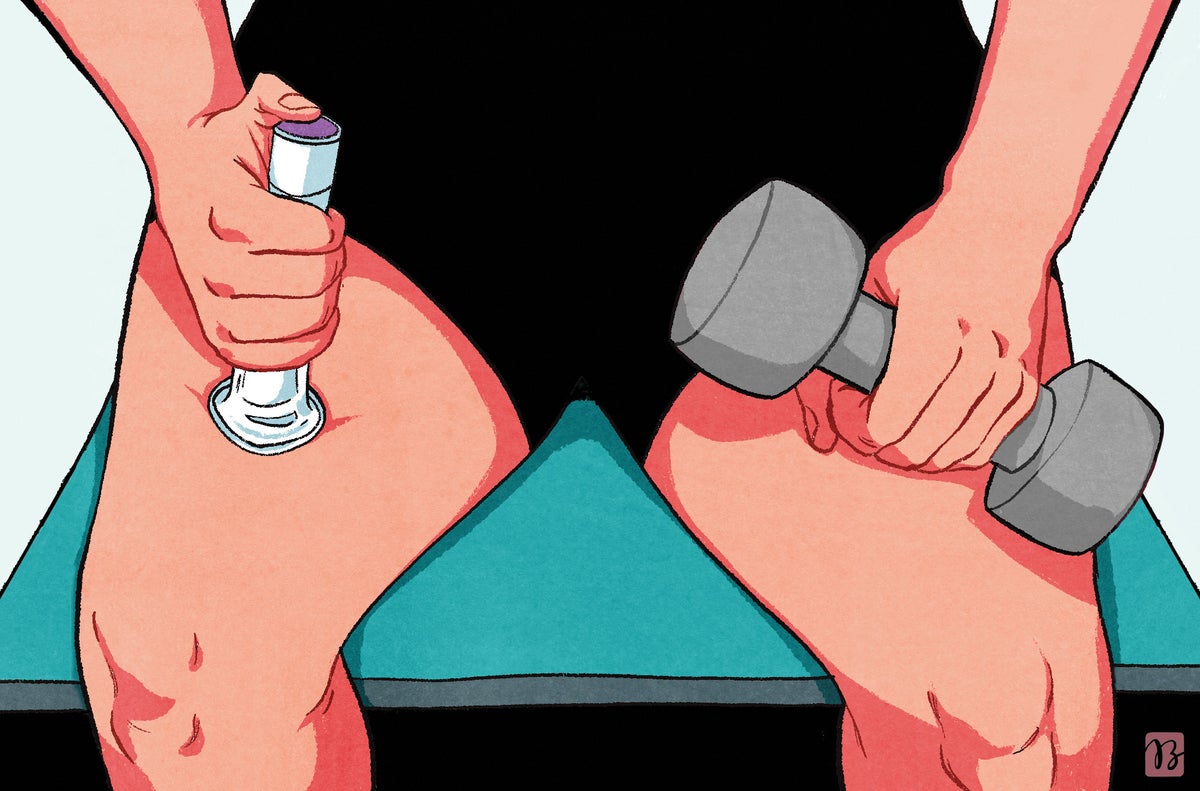
- Lean Mass Risk: Without intervention, 20% to 40% of the weight lost on GLP-1 medications like semaglutide can come from muscle tissue rather than fat.
- Protein Target: Scientific guidelines recommend consuming between 1.2 and 1.6 grams of protein per kilogram of body weight daily to protect lean mass.
- Training Frequency: Engaging in resistance training two to three times per week provides the stimulus necessary to maintain muscle protein synthesis.
- Metabolic Impact: Preserving muscle helps maintain your basal metabolic rate, which is crucial for preventing weight regain once you reach your goal.
- Body Composition: Strategic management can lead to a relative increase in lean body mass percentage even as total weight decreases.
- Recovery Focus: Prioritizing seven to nine hours of sleep reduces cortisol levels, preventing the body from entering a muscle-wasting catabolic state.
To prevent Ozempic muscle loss, prioritize a high-protein diet (1.2-1.6g/kg) and consistent resistance training to stimulate muscle protein synthesis during a caloric deficit. By focusing on nutrient-dense foods and strength-based exercise, you can ensure that the majority of your weight loss comes from adipose tissue while preserving the lean soft tissue that supports your metabolism.
The Science: Why Muscle Loss Happens on Semaglutide
When you begin taking a GLP-1 receptor agonist like semaglutide, your body enters a significant caloric deficit. While this is the intended mechanism for weight loss, it also creates a catabolic environment where the body may break down muscle tissue for energy. Clinical trial data from the STEP 1 study show that lean mass typically accounts for 20% to 40% of the total weight lost by individuals using semaglutide. This loss of fat-free mass is a natural physiological response to rapid weight reduction, but it can lead to a condition known as sarcopenic obesity if not managed correctly.
Sarcopenic obesity occurs when a person has a high percentage of body fat despite a lower overall weight, often accompanied by weakened muscle strength. One of the primary signs of muscle loss while on semaglutide is a noticeable drop in strength during daily activities or a plateau in metabolic rate. The medication’s ability to suppress appetite so effectively can inadvertently lead to anabolic resistance, where the body does not receive enough amino acids to maintain existing muscle structures.
Research indicates that despite absolute lean mass reduction, the proportion of lean body mass relative to total body weight can increase by approximately 3 percentage points during semaglutide treatment due to more significant fat loss. However, this positive shift in body composition is only maximized when you actively combat the loss of lean soft tissue through specific nutritional and physical interventions.
Pillar 1: Clinical Nutrition and Protein Dosing
The most critical nutritional defense against Ozempic muscle loss is your daily protein intake. When appetite is low, every bite needs to count. To preserve muscle mass during rapid weight loss, scientific guidelines recommend a daily protein intake of 1.2 to 1.6 grams per kilogram of body weight combined with resistance training two to three times per week. For a person weighing 80 kilograms (about 176 pounds), this equates to approximately 96 to 128 grams of protein per day.

Protein Calculation Station
To find your personal daily protein requirements for semaglutide users, use the following guide based on your current weight:
- Sedentary/Moderate Activity: 1.2g x body weight in kg
- Active/Regular Strength Training: 1.5g x body weight in kg
- Athletic/High Intensity: 1.7g x body weight in kg
Focus on bioavailable protein sources that provide a complete profile of essential amino acids. Lean meats like chicken breast and turkey, wild-caught fish, eggs, and Greek yogurt are excellent choices. For plant-based options, prioritize legumes, tofu, and edamame, though you may need to consume slightly more to reach the same amino acid threshold.
Strategic meal timing is also essential for overcoming food noise and the occasional nausea associated with GLP-1 medications. Instead of three large meals, aim for four to five smaller, high-protein "feedings" throughout the day. This consistent supply of amino acids helps overcome anabolic resistance, ensuring your muscles have the fuel they need even when you don't feel particularly hungry.
Expert Sidebar: The Dietitian's View "When food intake is significantly reduced, nutrient density becomes your top priority. I often advise patients to eat their protein first during any meal. This ensures that even if you get full quickly due to the medication, you've prioritized the macronutrient most responsible for protecting your basal metabolic rate and lean mass." — Emily Johnson, Nutrition & Diet Editor
Pillar 2: Strategic Resistance Training on Ozempic
Nutrition alone cannot stop muscle loss; your body needs a reason to keep that tissue. This reason is provided through resistance training on semaglutide. By placing a mechanical load on your muscles, you signal to your brain that this tissue is necessary for survival, even in a caloric deficit. The goal here is not necessarily to "bulk up," but to provide enough of a stimulus to trigger muscle protein synthesis.
Building Your Routine
A successful resistance training routine for Ozempic weight loss should focus on compound movements—exercises that work multiple muscle groups at once. Think squats, deadlifts, presses, and rows. These movements provide the greatest metabolic impact and the strongest signal for hypertrophy.
- Frequency: Aim for 3 to 5 sessions per week, allowing at least 48 hours of rest between working the same muscle groups.
- Progressive Overload: Gradually increase the weight, frequency, or number of repetitions in your strength training frequency for semaglutide patients. This constant challenge is what prevents the body from shedding muscle.
- Movement Snacks: If a full hour in the gym feels daunting, try "movement snacks." Ten minutes of bodyweight lunges or push-ups three times a day can be just as effective for joint-pain patients or those new to exercise.

Using resistance bands is a fantastic way to incorporate strength training at home. They are low-impact, affordable, and can be used to mimic almost any gym machine. Whether you are lifting heavy weights or using bands, the key is consistency. Without regular stimulus, the body will prioritize breaking down muscle over fat simply because muscle is metabolically expensive to maintain.
Pillar 3: Recovery and Metabolic Maintenance
While protein and lifting are the "active" pillars, recovery is the "silent" pillar of Ozempic body composition management. When you don't get enough rest, your body increases its production of cortisol, a stress hormone that is notoriously catabolic. High cortisol levels encourage muscle breakdown and can make it harder for your body to access fat stores for energy.

The importance of sleep for muscle maintenance on Ozempic cannot be overstated. Aim for seven to nine hours of quality rest per night. During deep sleep, the body releases growth hormone, which is vital for repairing the micro-tears created during your resistance training. Without this window of repair, your muscles cannot recover, and you may find yourself feeling increasingly fatigued.
The Hydration and Bone Health Connection
Hydration is another critical factor. Medications like Ozempic can sometimes reduce your thirst drive. Aim to drink roughly 0.5 ounces of water per pound of body weight daily. Proper hydration ensures that nutrients are efficiently delivered to your muscle cells and helps maintain bone mineral density, which can also be affected during rapid weight loss.
Focusing on Ozempic body composition management for ideal weight means looking beyond the number on the scale. By protecting your lean mass, you are protecting your basal metabolic rate. This is the amount of energy your body burns at rest. People who lose significant muscle find that their metabolism slows down drastically, making it much harder to maintain their new weight in the long term. By staying hydrated, sleeping well, and eating right, you set yourself up for metabolic success.
Expert Sidebar: The Physician's Note "We often see patients thrilled by the rapid drop in weight, but we must monitor the quality of that loss. Maintaining bone mineral density and lean soft tissue is what ensures a patient remains functional and healthy as they age. Weight loss should improve your life, not leave you feeling weak." — Consulting Medical Staff
FAQ
Does Ozempic cause muscle loss?
Ozempic does not directly target muscle for destruction; however, the rapid weight loss and caloric deficit it creates can lead the body to break down muscle tissue for energy. Without adequate protein and resistance training, a significant portion of weight lost on any GLP-1 medication can come from muscle.
How can I prevent muscle loss while taking Ozempic?
To prevent muscle loss while taking Ozempic, you must combine a high-protein diet with regular resistance training. Aiming for 1.2 to 1.6 grams of protein per kilogram of body weight and performing strength exercises at least two to three times a week are the most effective strategies.
Why do people lose muscle on Ozempic?
People lose muscle on Ozempic primarily because of the steep reduction in calorie intake. When the body isn't getting enough energy from food, it may catabolize muscle tissue. Additionally, the appetite suppression effect can make it difficult to consume enough protein to support muscle maintenance.
How much protein should I eat while on Ozempic to protect muscle?
Clinical recommendations suggest that daily protein requirements for semaglutide users should fall between 1.2 and 1.6 grams per kilogram of body weight. For most adults, this means targeting between 25 and 35 grams of high-quality protein at every meal.
Can strength training prevent muscle loss while on Ozempic?
Yes, strength training is the most powerful tool for signal-based muscle preservation. By challenging your muscles through resistance, you tell your body to prioritize fat burning while keeping the lean soft tissue necessary for movement and metabolic health.