Quick Facts
- Average Loss: Overweight adults using high-protein shakes lost 3.3kg over 12 weeks compared to 1.8kg in control groups.
- Appetite Suppression: Consuming 20 to 40 grams of protein per serving is the scientific threshold to reduce subsequent calorie intake.
- Caloric Impact: Starting the day with a high-protein breakfast can help reduce total daily intake by approximately 175 kcal.
- Anabolic Window: Modern research shows the "window" for protein intake is 2 to 4 hours, not the traditional 30-minute myth.
- Price Point: Expect to pay roughly $1.25 per scoop for high-quality powder versus $3.50 for convenient ready-to-drink bottles.
- Liquid Calorie Risk: Failure to track liquid calories or choosing shakes with hidden sugars is the primary reason users gain weight instead of losing it.
Protein shakes for weight loss function by increasing satiety hormones and preserving lean muscle mass while you maintain a calorie deficit. While they are highly effective tools for appetite suppression and convenient meal replacement, they only work if they do not cause you to exceed your daily caloric limits; adding a shake to an existing diet without adjusting whole food intake can easily sabotage your goals.
The Science of Satiety: How Protein Aids Fat Loss
When clients ask me if protein shakes for weight loss are a "magic bullet," I always point them toward the biology of hunger. Protein is the most satiating macronutrient, meaning it keeps you full significantly longer than fats or carbohydrates. This happens because protein triggers the release of satiety hormones like GLP-1 and PYY, which signal to your brain that you are satisfied. At the same time, protein reduces levels of ghrelin, the hormone responsible for making you feel hungry.
Beyond just feeling full, protein has a higher thermogenic effect of food than other nutrients. This means your body actually burns more calories digesting protein than it does digesting fats or carbs. For those navigating the metabolic shifts that occur post-age 40, maintaining a high protein intake is essential for lean muscle preservation. When you are in a calorie deficit, your body often looks to break down muscle tissue for energy. By providing 20 to 40 grams of high-quality protein per serving, you provide the necessary building blocks for muscle protein synthesis, ensuring that the weight you lose comes from fat stores rather than metabolic-boosting muscle.
Clinical evidence supports this hormonal shift. In a 12-week clinical study, overweight adults who consumed a high-protein, fiber-rich nutritional shake twice daily lost an average of 3.3 kg, while those in the placebo group lost only 1.8 kg. This is why protein shakes for weight loss without exercise can still yield results—though exercise certainly accelerates the process—because the protein itself is working on a chemical level to manage your appetite and metabolic rate.
Strategy: Meal Replacement vs. Snack for Weight Loss
One of the most frequent mistakes I see in meal planning is the confusion between a protein snack and a meal replacement. The distinction is critical for maintaining a calorie deficit. A snack-sized shake is typically around 150 calories and focuses almost exclusively on protein. A meal replacement, however, must be more robust, usually ranging from 250 to 400 calories, and should include healthy fats, complex carbohydrates, and essential vitamins.
The protein shake meal replacement vs snack for weight loss debate usually comes down to your personal hunger patterns. If you find yourself overeating at dinner, a 150-calorie snack shake at 3 PM can bridge the gap and prevent a binge. However, if you have a hectic schedule, using a shake as a strategic meal replacement for breakfast can set a positive tone for the rest of the day. To succeed with a meal replacement, you must look for nutrient density. A shake consisting only of water and powder won't keep you full for four hours.
To solve this, I recommend learning how to make protein shakes more filling for weight loss by adding volume without excessive calories. Adding a handful of spinach, a tablespoon of chia seeds, or a half-cup of frozen cauliflower (trust me, you can't taste it!) provides the dietary fiber necessary for long-term fullness. Fiber slows down digestion and prevents the "liquid calorie" trap where your brain doesn't register the shake as a real meal, leading to hunger spikes shortly after drinking.
Timing and Frequency: When to Drink for Best Results
For years, the fitness industry insisted on a 30-minute "anabolic window" following a workout. As a nutrition editor, I can tell you that for weight loss purposes, this window is much wider—generally 2 to 4 hours. While post-workout shakes are great for muscle repair, the best time to drink protein shakes for weight loss is actually when you are most vulnerable to cravings.
For many, this is first thing in the morning. A high-protein breakfast helps regulate blood sugar and reduces the likelihood of mid-morning grazing. Another strategic time is between lunch and dinner, a period when many people reach for sugary processed snacks. By choosing a shake during these times, you use appetite suppression to your advantage.
When considering how many protein shakes a day for weight loss is appropriate, I generally recommend 1 to 2. Replacing every meal with a liquid is not sustainable and can lead to nutrient deficiencies and a lack of dietary fiber. Whole foods provide a variety of phytonutrients and a "chew factor" that contributes to psychological satisfaction.
Myth vs. Science: The Protein Timing Table
| Topic | The Popular Myth | The Scientific Reality |
|---|---|---|
| Anabolic Window | You must drink a shake within 30 minutes of lifting. | The window for muscle protein synthesis is open for 2–4 hours. |
| Nighttime Protein | Eating protein before bed turns into fat. | Casein protein before bed can preserve muscle and boost metabolism. |
| Kidney Health | High protein intake damages healthy kidneys. | High protein is safe for healthy individuals; it only affects those with pre-existing disease. |
| Muscle Gain | Shakes automatically make you "bulky." | Weight gain requires a caloric surplus; shakes in a deficit lead to lean loss. |

Selection Guide: Choosing the Right Powder
Not all powders are created equal, and the wrong choice can stall your progress. When searching for low calorie protein shakes for weight loss, your first stop should be the ingredient label. Many commercial brands pack their formulas with hidden sugars and artificial sweeteners like Erythritol or Sucralose. While these reduce calorie counts, they can sometimes cause digestive distress or trigger sweet cravings in certain individuals.
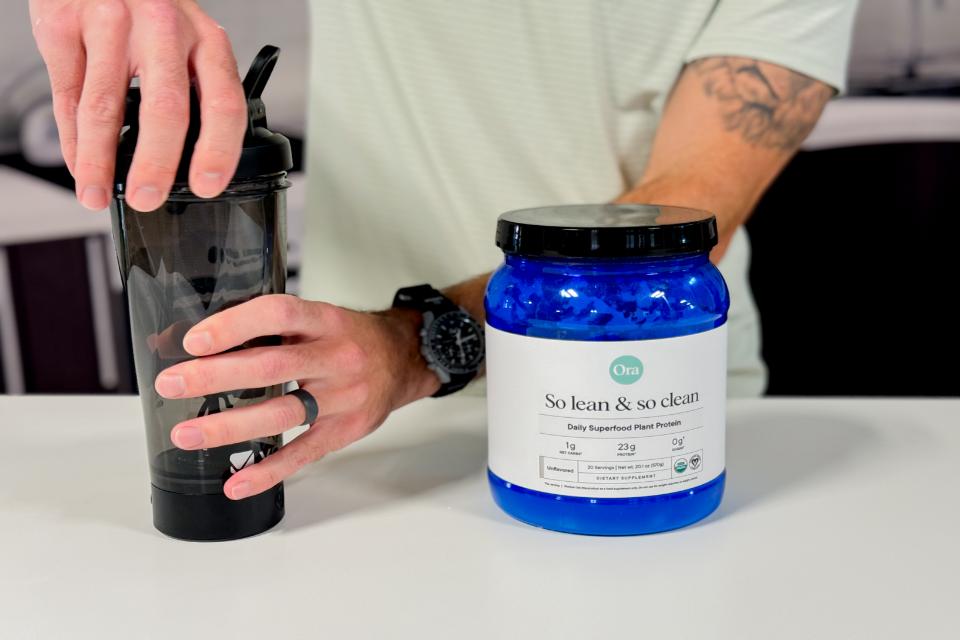
For weight loss, I typically recommend Whey Isolate. It is processed to remove most of the lactose and fat, resulting in a product that is roughly 90% protein. If you are looking for a shake to keep you full for a long period, consider Casein. Casein is a slow-digesting protein that forms a "gel" in the stomach, providing a steady release of amino acids over several hours.
If you prefer plant-based options, choosing between whey and plant protein for weight loss requires a bit more scrutiny. Plant proteins (like pea, rice, or hemp) are excellent, but they may have a slightly lower amino acid profile per gram compared to whey. Look for "Elite" plant blends that combine multiple sources to ensure you get all essential amino acids.
Emily’s Pro Tip: Always check for third-party certifications like NSF or Informed-Choice. A 2025 consumer report highlighted that some budget powders still contain trace amounts of heavy metals like lead or cadmium. Investing an extra $5 in a clean brand is worth the peace of mind.
| Protein Type | Digestion Speed | Best Use Case |
|---|---|---|
| Whey Isolate | Fast (30–60 mins) | Post-workout or quick snack. |
| Casein | Slow (4–6 hours) | Meal replacement or before bed. |
| Pea Protein | Medium (2–3 hours) | Vegan alternative; hypoallergenic. |
| Soy Protein | Medium (2–3 hours) | Budget-friendly plant option. |
Sabotage Alert: Common Mistakes That Cause Weight Gain
Despite their benefits, I have seen many people actually gain weight when they start using protein shakes for weight loss. The most common culprit is the failure to track liquid calories. It is incredibly easy to drink 400 calories in 30 seconds without feeling like you’ve "eaten." If you add a shake on top of your normal meals, you are likely creating a caloric surplus.
Another common mistakes using protein shakes for weight loss involves the "smoothie bowl" trap. While adding nut butters, bananas, and honey makes a shake taste like a milkshake, it also drives the calorie count up to 600 or 700 calories. For fat loss, keep your base simple—use water or unsweetened almond milk rather than fruit juice or whole milk.
Finally, do not ignore the power of whey protein specific studies. A 23-week study found that individuals consuming an additional 56 grams of whey protein daily achieved a 4-pound reduction in body weight and a 5-pound reduction in body fat compared to a control group. However, these participants were instructed to use the protein as a replacement for other calories, not as an addition.
FAQ
Can protein shakes help you lose weight?
Yes, protein shakes can facilitate weight loss by increasing satiety and helping you maintain a calorie deficit more easily. They are particularly effective at preserving lean muscle mass while the body burns fat. However, they are a tool, not a magic solution; they only work when integrated into a controlled-calorie diet.
What is the best time to drink a protein shake for weight loss?
The most effective times are typically between meals to suppress appetite or as a high-protein breakfast. Consuming 20 to 40 grams of protein during these windows can help stabilize blood sugar and reduce the total number of calories you consume later in the day.
Can protein shakes replace a meal for weight loss?
They can, provided the shake is formulated correctly. A true meal replacement should contain more than just protein; it needs fiber, healthy fats, and vitamins to provide sustained energy. Replacing one meal a day with a well-balanced shake is a proven strategy for weight management.
Can protein shakes cause weight gain instead of weight loss?
Yes, if they lead to an overall caloric surplus. Many people treat shakes as "free" calories or choose products loaded with hidden sugars and fats. If you add a 300-calorie shake to your existing diet without removing 300 calories of food, you will likely gain weight.
Is it better to drink protein shakes with milk or water for weight loss?
For the strictest weight loss goals, water or unsweetened non-dairy milks (like almond or cashew milk) are usually better because they add fewer calories. While cow's milk provides extra nutrients and protein, it also adds significant calories and sugars (lactose) that can eat into your daily deficit.
Can you drink protein shakes without working out and still lose weight?
Yes, you can. Weight loss is primarily driven by a calorie deficit. Protein shakes help you achieve that deficit by making you feel fuller with fewer calories. While exercise helps with body composition and metabolic health, the nutritional benefits of protein for satiety do not require a workout to be effective.