Quick Facts
- The Gold Standard: Plain water is the essential baseline for daily health, though it is not the most efficient liquid for long-term fluid retention.
- BHI Winner: Skim milk ranks higher than water on the hydration index of beverages due to its unique combination of electrolytes, protein, and lactose.
- The SGLT1 Trick: Small amounts of sodium and sugar activate the sodium-glucose cotransport system, which pulls water into the bloodstream faster than osmosis alone.
- Daily Target: Health authorities recommend a total intake of 15.5 cups for men and 11.5 cups for women to maintain optimal physiological function.
- Workout Rule: For physical activity lasting longer than 60 minutes, utilize drinks with a 4–8% carbohydrate concentration to sustain plasma volume and energy levels.
- Recovery Essential: Medical-grade oral rehydration solutions are the most effective choice for rapid recovery from illness or heat stress due to their precise osmolarity.
The effectiveness of a beverage for hydration is determined by its hydration index of beverages, which measures fluid retention over time. While plain water is a daily staple, the science of hydration shows that skim milk, oral rehydration solutions, and electrolyte-rich drinks for hydration often provide superior fluid retention due to their osmolarity and nutrient content. These liquids utilize mechanisms like the sodium-glucose cotransport system and specific electrolyte balances to enhance intestinal absorption and maintain plasma volume more effectively than water alone.
The Science of Fluid Retention: Understanding BHI and Osmolarity
When we think about the best hydrating drinks, we often focus solely on the volume of liquid consumed. However, from a nutritional science perspective, the real measure of hydration is how much of that fluid actually stays in your body versus how much is excreted as urine. This efficiency is measured by the Beverage Hydration Index (BHI), a concept popularized by a landmark study by Maughan et al. in the American Journal of Clinical Nutrition.
The BHI compares the urine output of a specific drink against that of still water. If a drink has a higher BHI, it means the body retains more of that fluid over a four-hour period. Several factors influence this, but the primary drivers are osmolarity and the rate of gastric emptying. Osmolarity refers to the concentration of particles (like electrolytes and sugars) in the liquid. When a drink contains small amounts of sodium and glucose, it triggers the SGLT1 (sodium-glucose cotransporter) system in the small intestine. This mechanism essentially "pumps" water into the bloodstream, improving bioavailability.
Furthermore, nutrients like protein and fat in liquids like skim milk act as a "speed brake" for the stomach. By slowing down how fast the liquid leaves the stomach and enters the small intestine, these nutrients allow for a more gradual absorption into the plasma volume. This prevents the rapid spike in blood volume that signals the kidneys to produce more urine, thereby supporting better fluid retention.
10 Best Hydrating Drinks for Daily Fluid Intake
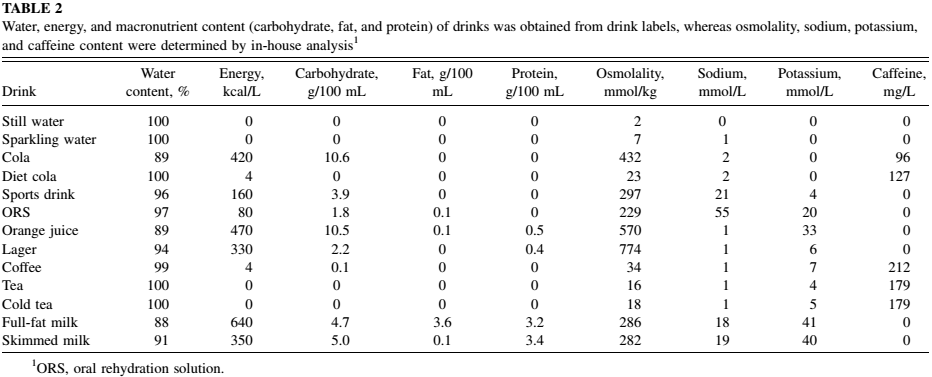
Choosing the right liquid depends on your specific metabolic needs, but the following list ranks the best hydrating drinks based on their efficiency in maintaining fluid balance. According to the Beverage Hydration Index, skimmed milk and oral rehydration solutions are more effective than plain water at promoting fluid retention, with skimmed milk retaining roughly 339 grams more fluid than water over a four-hour period.
| Rank | Beverage | Key Minerals | Primary Use Case |
|---|---|---|---|
| 1 | Skim Milk | Na, K, Ca | Daily retention & recovery |
| 2 | Oral Rehydration Solution (ORS) | Na, K, Cl | Dehydration & illness |
| 3 | Full-fat Milk | Na, K, Ca | Long-term satiety & hydration |
| 4 | Orange Juice | K, Mg | Morning hydration & vitamins |
| 5 | Plain Water | Variable | Baseline daily fluid intake |
| 6 | Tea (Black/Green) | K, Mg | Daily hydration (moderate caffeine) |
| 7 | Sports Drinks | Na, K | High-intensity exercise (>60 min) |
| 8 | Coconut Water | K, Mg | Natural electrolyte boost |
| 9 | Sparkling Water | Variable | Calorie-free variety |
| 10 | Coffee | K, Mg | Daily fluid intake (habitual users) |
1. Skim Milk
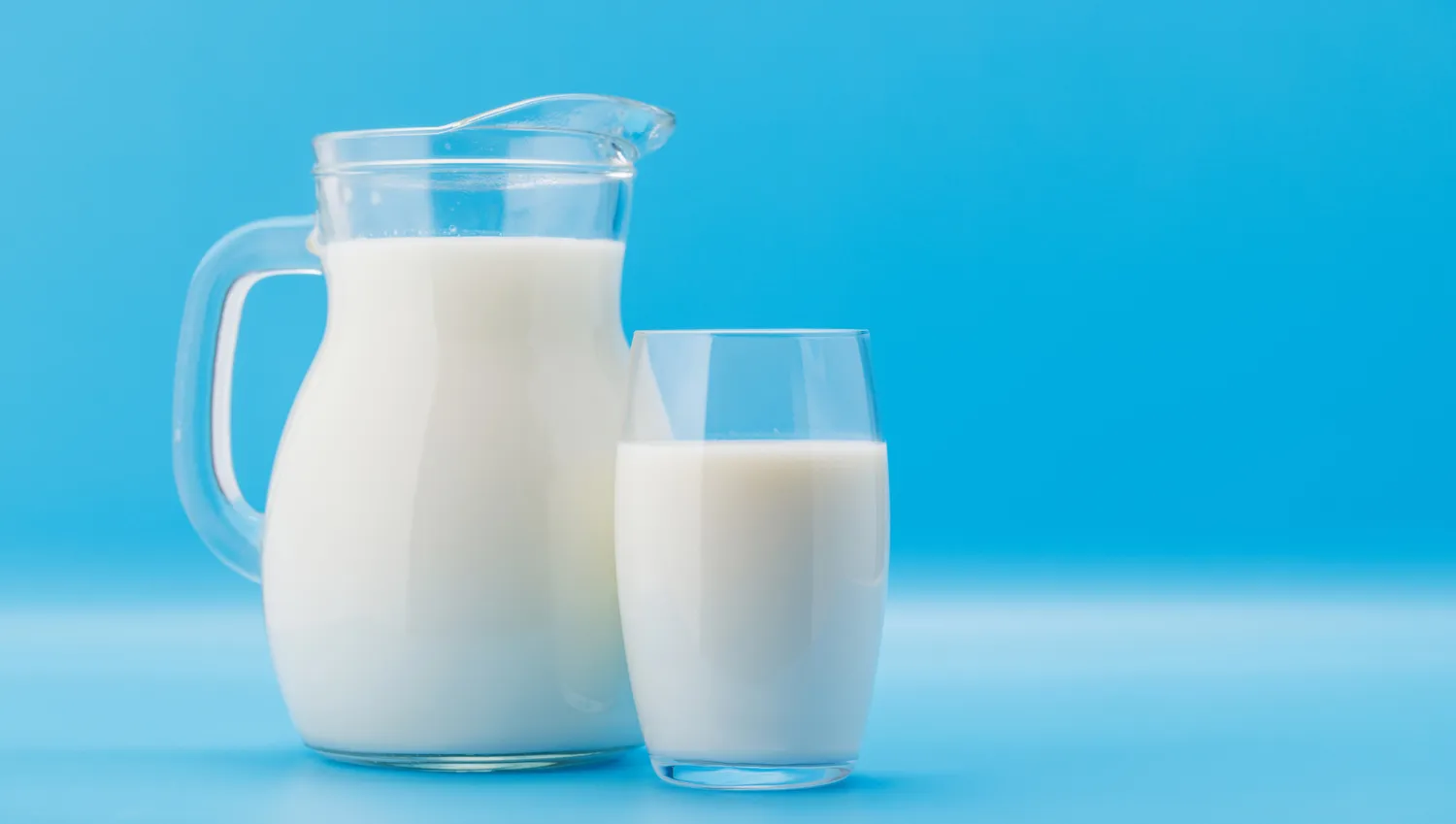
Skim milk is arguably the most surprising winner in hydration science. Because it contains electrolytes like sodium and potassium, alongside the sugar lactose and a significant amount of protein, it stays in the digestive tract longer than almost any other beverage. This slow-release effect makes it one of the best liquids for daily fluid intake besides water for those who aren't lactose intolerant.
2. Oral Rehydration Solution (ORS)
Products like DripDrop or Pedialyte are designed using the World Health Organization's formula for severe dehydration. These are the gold standard for hydrating liquids for illness and hangover recovery because they maximize the sodium-glucose cotransport system to pull water into the cells at an accelerated rate.
3. Full-fat Milk
Similar to its skimmed counterpart, full-fat milk offers high fluid retention. The additional fat content further slows gastric emptying, though it comes with a higher caloric load, making it better for post-workout recovery than general sipping throughout the day.
4. Orange Juice
While high in natural sugars, orange juice contains high levels of potassium, which is a major intracellular electrolyte. In moderate amounts, it provides excellent fluid retention and a quick source of energy.
5. Plain Water
Still water is the most accessible and necessary of the best hydrating drinks. While it doesn't have the "staying power" of milk, the National Academies of Sciences, Engineering, and Medicine recommends a total daily fluid intake of approximately 15.5 cups (3.7 liters) for men and 11.5 cups (2.7 liters) for women, with plain water forming the bulk of this requirement.
6. Tea
Recent studies have debunked the myth that tea is a net dehydrator. While caffeine is a mild diuretic, the fluid volume provided by tea far outweighs the fluid lost through increased urination, especially in regular drinkers who have a tolerance to caffeine.
7. Sports Drinks
Beverages like Gatorade or A-GAME are specifically formulated for performance. They are electrolyte-rich drinks for hydration that include sodium to replace what is lost in sweat and carbohydrates to fuel muscles.
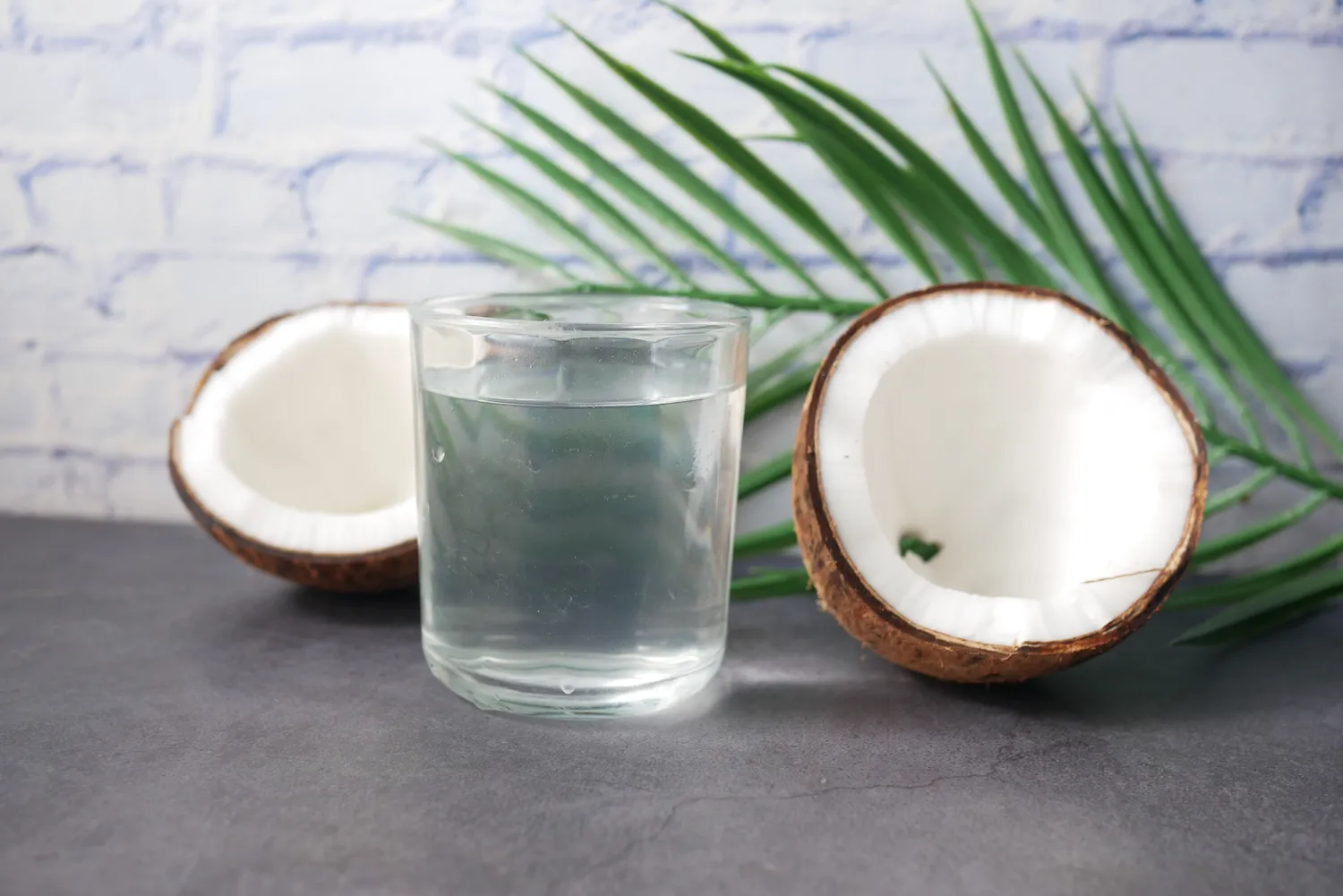
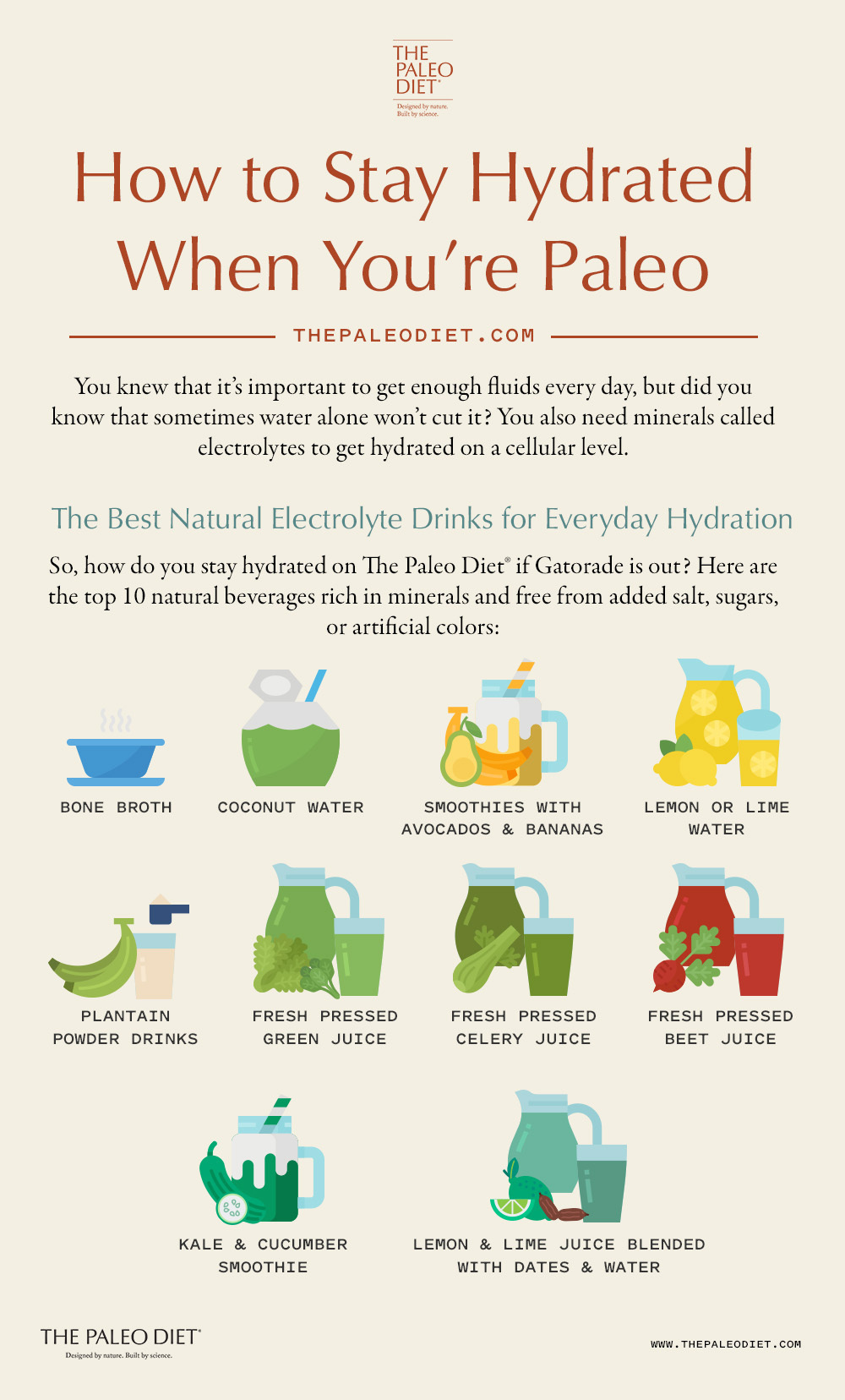
8. Coconut Water
If you prefer a natural option, coconut water is an excellent choice. It is naturally high in potassium and contains magnesium, though it is relatively low in sodium compared to commercial sports drinks.
9. Sparkling Water
For those who find plain water boring, sparkling water is just as hydrating. It provides the same fluid benefits without the added sugars found in sodas.
10. Coffee
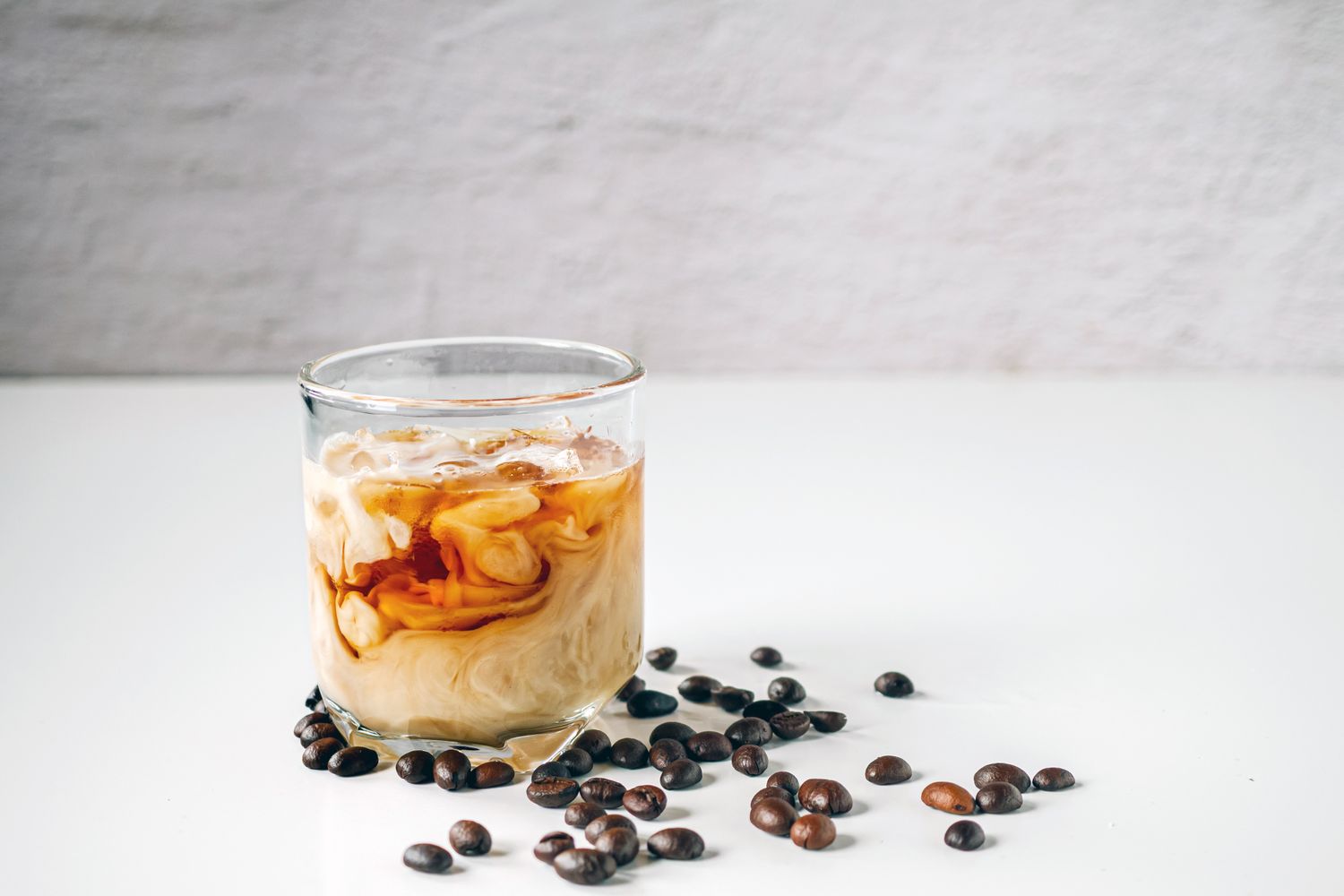
Much like tea, habitual coffee consumption does not lead to dehydration. It contributes significantly to the daily fluid intake of most adults, though it is best enjoyed without excessive added sugars or heavy creams.
Choosing Your Hydration: Best Electrolyte Drinks for Different Scenarios
The "best" drink is often context-dependent. Your body’s needs at a desk are vastly different from your needs on a five-mile run in July.
For the average office worker, best electrolyte drinks for desk workers are usually low sugar sports drinks for daily hydration or even simple electrolyte tablets added to water. When you aren't sweating heavily, you don't need the massive dose of salt or sugar found in traditional recovery beverages. Focus on maintaining a steady intake of plain water supplemented with a mineral-rich lunch to keep your plasma volume stable.
However, when we transition to high-intensity training or heat stress, the rules change. When losing significant fluids through sweat, plain water isn't enough; you need targeted electrolytes to restore plasma volume. If your workout lasts more than an hour, you should look for a drink with a 4–8% carbohydrate concentration. This provides enough glucose to keep your SGLT1 pumps running and provides fuel for your muscles without causing stomach upset.

In clinical scenarios—such as recovering from a stomach flu or a particularly grueling summer hike—you need the fastest possible intervention. This is where hydrating liquids for illness and hangover recovery come into play. Oral rehydration solutions are specifically formulated to use the SGLT1 transport system for the fastest possible fluid absorption. These medical-style drinks prioritize sodium and glucose in a specific 1:6 ratio to ensure that water moves from the gut into the blood as quickly as possible.
How to Read a Hydration Label: Green Flags vs. Red Flags
As a nutrition editor, I always tell my readers to look past the marketing on the front of the bottle and dive into the nutrition facts panel. Effective hydration is about more than just volume; it requires a precise balance of water and minerals like sodium and potassium.
Green Flags
- Potassium and Magnesium: Look for these "inside the cell" electrolytes. Most adults should aim for 4,700mg of potassium daily, and your beverages can help bridge the gap.
- Sodium Citrate: This is often easier on the stomach than sodium chloride (table salt) during exercise.
- Low Sugar Options: For daily use, look for low sugar sports drinks for daily hydration that use natural sweeteners like stevia or monk fruit if you want to avoid extra calories.
- Clear Mineral Counts: Labels that specify exactly how many milligrams of Na, K, and Mg are included per serving.
Red Flags
- Excessive Maltodextrin: This high-glycemic thickener can cause GI distress in some people when consumed in large quantities.
- Artificial Dyes: Avoid ingredients like Blue 1 or Red 40, which offer no functional benefit and may cause sensitivities.
- Imbalanced Ratios: Avoid drinks that are extremely high in sugar but contain almost no sodium, as these can actually slow down the hydration process by increasing the osmolarity in the gut too much.
FAQ
Does milk hydrate you more than water?
Yes, according to the hydration index of beverages, skim milk and full-fat milk are both more effective than water at promoting fluid retention. The protein, lactose, and electrolytes in milk slow down the rate at which the stomach empties, allowing the body to absorb and retain the fluid over a longer period.
Can tea and coffee help with hydration?
Contrary to popular belief, habitual consumption of tea and coffee contributes to your best liquids for daily fluid intake. While they have a mild diuretic effect, the total volume of water in the drink far exceeds the amount of fluid lost through urination, making them effective for maintaining hydration levels.
What is the most hydrating drink other than water?
The most hydrating drink, specifically for fluid retention, is skim milk. For rapid absorption during medical or heat-related dehydration, an oral rehydration solution is considered the most efficient liquid due to its optimized glucose and sodium ratio.
What drink hydrates the body the fastest?
Oral rehydration solutions hydrate the body the fastest. They are formulated to exploit the sodium-glucose cotransport system in the small intestine, which physically pulls water molecules into the bloodstream more quickly than plain water can move through osmosis.
Are sports drinks better for hydration than plain water?
Sports drinks are better than plain water specifically during and after intense exercise lasting over 60 minutes or in high-heat environments. In these cases, the body needs to replace electrolytes lost in sweat and requires small amounts of carbohydrates to maintain performance. For sedentary daily life, plain water is usually sufficient.
The Bottom Line on Daily Hydration
While the science of hydration can seem complex, the practical application is straightforward. Water remains your primary tool for daily health, but it shouldn’t be your only one. By understanding the hydration index of beverages and the role of nutrients like sodium and protein, you can tailor your choices to your environment.
If you are spending the day at a desk, stick to water or low sugar sports drinks for daily hydration. If you are hitting the gym or recovering from a long night, reach for something with more staying power, like milk or an oral rehydration solution. The goal is a balanced approach that ensures your body has the minerals and fluids it needs to thrive, whether you are pushing your physical limits or simply navigating a busy workday. Focus on your total intake, watch your electrolyte levels, and remember that what you drink is just as important as how much you drink.