Quick Facts
- The Difference: Soluble fiber creates a viscous gel to slow digestion, while insoluble fiber acts as a mechanical broom to speed up transit.
- 2026 Intake Goal: Experts recommend that healthy adults aim for a daily intake of 25-35 grams to support metabolic health.
- The Fiber Gap: Currently, an estimated 95% of American adults and children fail to consume the recommended daily amount of fiber, leaving a significant nutritional void.
- Metabolic Impact: Soluble fiber functions as a natural stimulator for GLP-1, the hormone responsible for satiety and blood sugar regulation.
- Hydration Rule: To prevent discomfort, you should consume 9-11 cups of water daily when increasing your intake of soluble vs insoluble fiber.
- Soluble Target: Although no formal DRI exists for subtypes, approximately one-fourth of total daily fiber intake—roughly 6 to 8 grams—should come from soluble fiber for optimal heart health.
Soluble fiber dissolves in water to form a gel that slows digestion and regulates blood sugar, while insoluble fiber adds bulk to stool and speeds up intestinal transit. Knowing the difference between soluble vs insoluble fiber is key to managing weight and digestive regularity.
Science of Solubility: How Fiber Works in the Gut
To understand the health benefits of dietary fiber, we must first look at what happens in the digestive tract. Not all carbohydrates are created equal; fiber is the structural component of plants that our human enzymes cannot break down. However, the way these fibers interact with water defines their role in our wellness.
Soluble fiber is characterized by its hydrophilic nature. When it encounters liquid in the stomach and small intestine, it undergoes a transformation into a viscous, honey-like substance. This process, often referred to as gel-forming properties, is what gives certain foods like oats and chia seeds their thickening power. As this gel moves through the digestive tract, it traps fats and sugars, slowing their absorption into the bloodstream. This slow-motion digestion is a cornerstone of fiber for digestive health because it prevents the rapid energy crashes associated with low-fiber meals.
In contrast, insoluble fiber is the "roughage" that remains largely unchanged as it passes through you. It does not dissolve or ferment as easily as its soluble counterpart. Instead, it acts as stool bulking agents. By providing a physical structure for waste to cling to, it triggers the muscular contractions of the colon. This mechanical action reduces intestinal transit time, ensuring that waste moves efficiently and regularly through the body.
The magic happens in the large intestine, where our gut bacteria take over. Many types of soluble fiber serve as a feast for our beneficial microbes, a process known as prebiotic fermentation. When bacteria ferment these fibers, they produce short-chain fatty acids like butyrate, acetate, and propionate. These compounds are essential for maintaining the integrity of the gut lining and are increasingly linked to reduced inflammation and improved immune function. By consuming a wide variety of plant foods, you are essentially cultivating microbiota diversity, which is the gold standard for modern gut health.
Metabolic vs. Digestive: The Different Health Benefits
When patients ask me about soluble vs insoluble fiber for weight loss, I focus on the metabolic master switch. Soluble fiber is a powerhouse for glycemic index management. By slowing down the rate at which glucose enters the blood, it helps maintain steady insulin levels. This prevents the "insulin spikes" that signal the body to store fat. Furthermore, soluble fiber is famous for its role in LDL cholesterol reduction. The gel-like substance binds to bile acids—which are made of cholesterol—and carries them out of the body as waste. To replace these lost bile acids, the liver must pull more cholesterol from the blood, effectively lowering your total levels.
On the architectural side of the gut, insoluble fiber provides the best insoluble fiber foods for constipation relief. If your digestive system feels sluggish, it is often because there isn't enough bulk to keep things moving. Insoluble fiber adds that necessary weight and texture to the stool. Beyond just "going to the bathroom," this type of fiber is essential for preventing diverticular disease and keeping the lining of the colon healthy by limiting the time toxins spend in contact with the intestinal walls.
The 2026 nutritional landscape is also focusing heavily on satiety and hunger cues. The average daily fiber intake for adults in the United States is approximately 16 grams, which is nearly 10 to 20 grams short of what is necessary to trigger full satiety signals. When you hit your recommended daily fiber intake for adults 2026, you naturally stimulate the release of GLP-1 and PYY, hormones that tell your brain you are full. This makes soluble fiber for blood sugar management guide a primary tool for anyone looking to manage their weight without feeling deprived.
The Ultimate Soluble and Insoluble Fiber Food List
Most people think they need to choose between one or the other, but nature rarely packages them separately. Almost every plant-based food contains a mix of both, though the ratios vary. To simplify your grocery shopping, I’ve broken down the best sources into a soluble and insoluble fiber food list that focuses on high-impact choices.
| Food Category | High in Soluble Fiber (The Gel-Formers) | High in Insoluble Fiber (The Sweepers) |
|---|---|---|
| Grains | Oats, barley, psyllium husk | Wheat bran, whole wheat flour, brown rice |
| Legumes | Black beans, kidney beans, lentils | Chickpeas, lima beans, edamame |
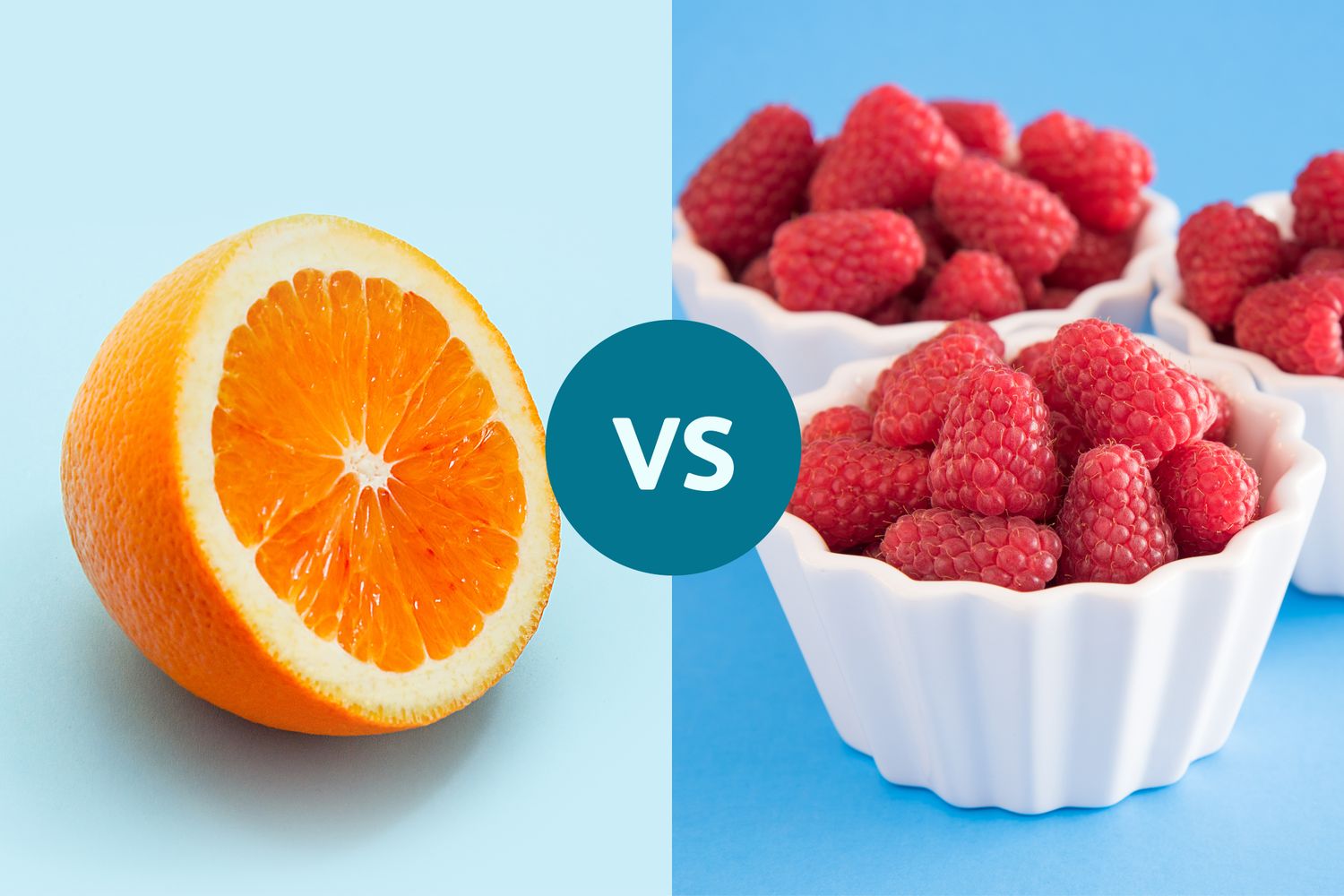
| Fruits | Apples (flesh), pears, citrus, berries | Apple skin, grape skins, strawberries |
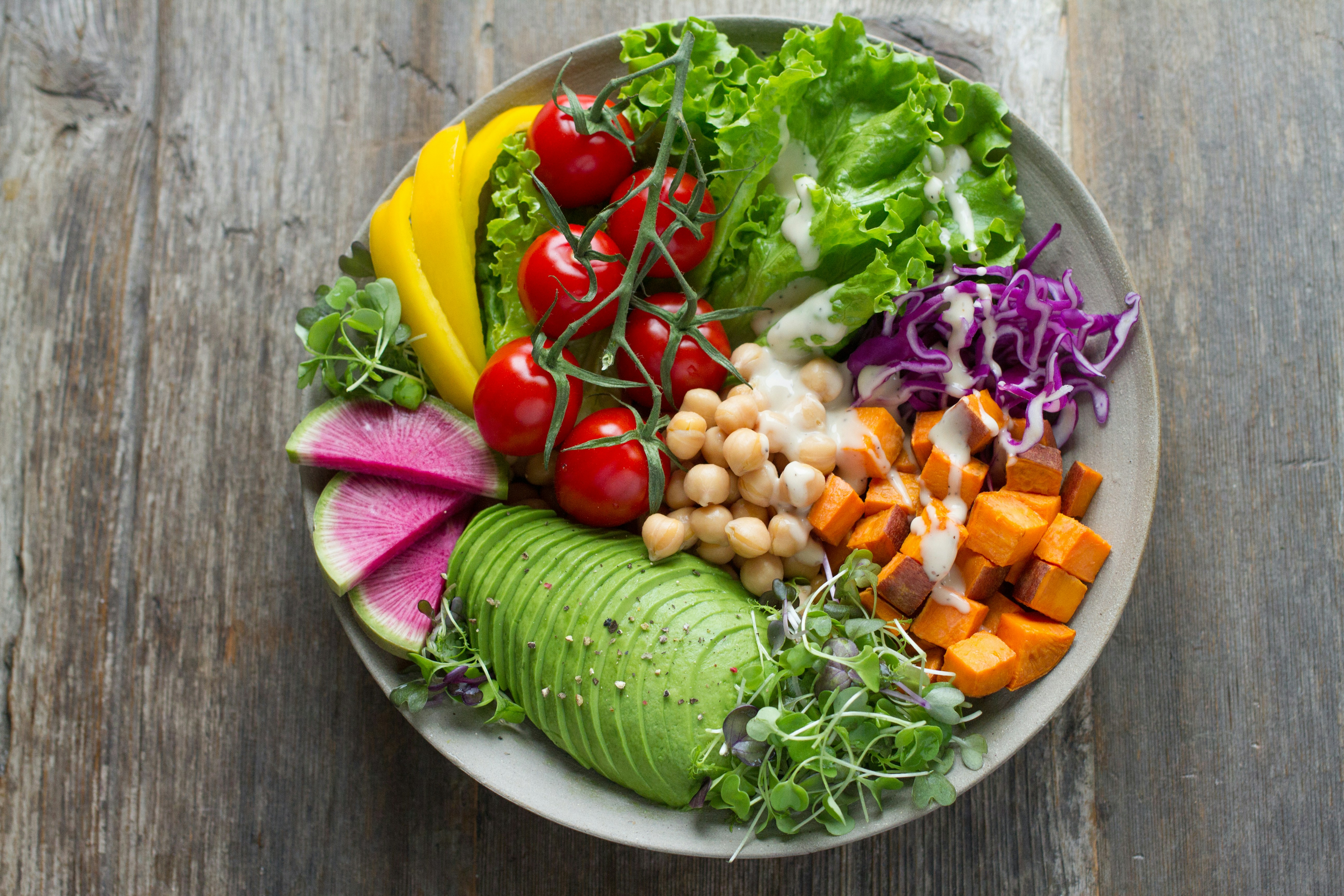
| Vegetables | Brussels sprouts, carrots, sweet potatoes | Cauliflower, green beans, dark leafy greens |
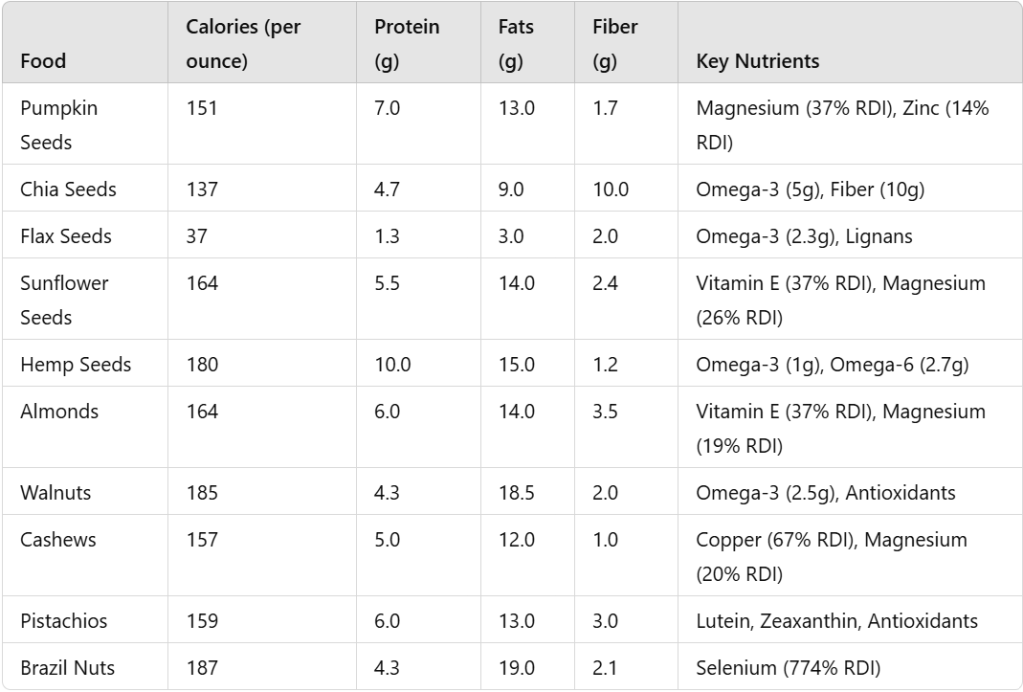
| Seeds/Nuts | Chia seeds, flaxseeds | Almonds, walnuts, sunflower seeds |
When looking for foods high in both soluble and insoluble fiber list, focus on whole, unpeeled options. An apple with its skin on is a perfect example: the soft flesh provides pectin (a soluble fiber), while the skin provides cellulose and lignin (insoluble fibers). Similarly, a baked sweet potato with the skin intact offers a balanced metabolic and digestive punch.
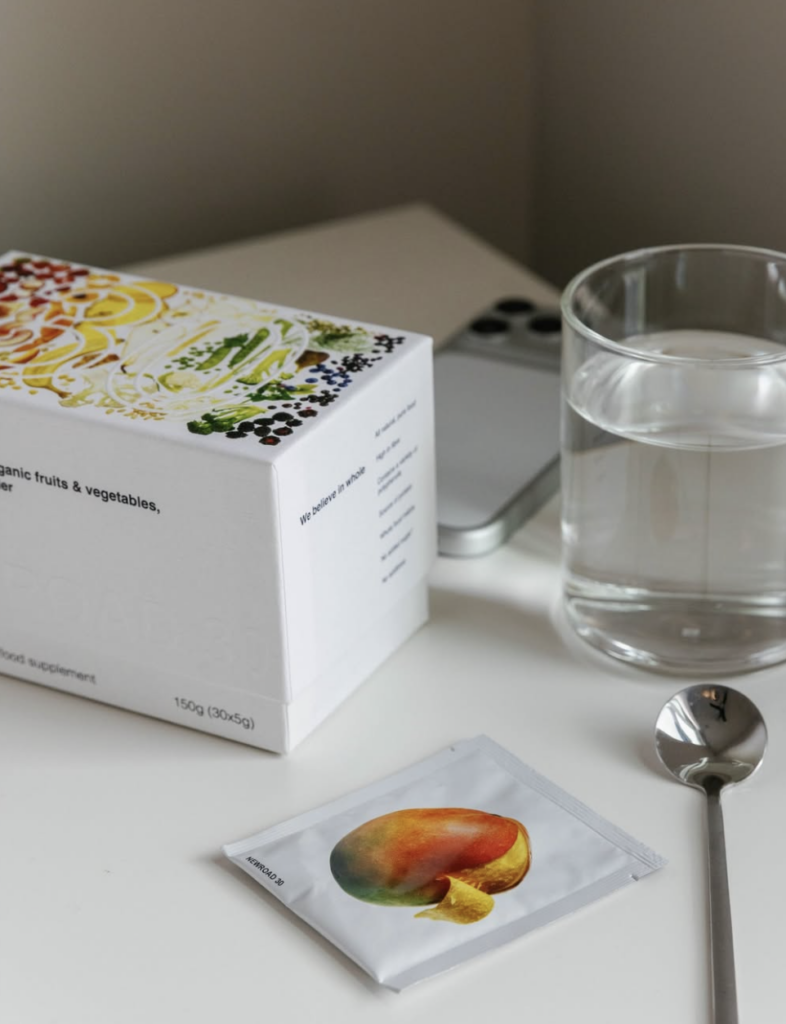
Many of my readers also use supplements, but quality varies. If you are unsure about the efficacy of your fiber powder, you can try a simple DIY test.
The 15-Minute Water Test
To see the gel-forming properties of your supplement or food, stir one tablespoon of the product into eight ounces of room-temperature water. Let it sit for 15 minutes. If the mixture has thickened into a heavy gel, it is high in soluble fiber (like beta-glucans or pectin). If the material has settled at the bottom and the water remains thin, it is primarily insoluble. This is a great way to verify the quality of psyllium or flax meal.
The 5-Gram Protocol: Increasing Intake Safely
The biggest mistake I see in my clinical practice is the "fiber flash"—going from 10 grams to 35 grams overnight. This almost always results in significant bloating, gas, and abdominal cramping. Your gut microbiome is a living ecosystem; it needs time to adapt to the new fuel source. If you want to know how to increase fiber intake without bloating, you must follow a slow titration schedule.
- Establish your baseline: Track your current intake for three days. Most likely, you are near the national average of 16 grams.
- Add 5 grams per week: Increase your total daily fiber by only 5 grams every seven days. This could be as simple as adding one large apple or a half-cup of black beans to your existing diet.
- Prioritize hydration: Fiber works by drawing in water. If you increase fiber without increasing fluids, you can actually cause constipation. Aim for 72-88 ounces of water daily (about 9-11 cups) to maintain the proper water binding capacity within the stool.
- Diversify your sources: Don't just eat more of the same thing. Aim for different colors and textures to ensure a wide range of resistant starch and various fiber types.
- Listen to your body: If you experience excessive gas, stay at your current level for an extra week before increasing again. Your bacteria are simply "reorganizing" their population.
By the end of a month, you will have naturally reached your goal without the digestive distress often associated with high-fiber diets. This slow approach allows your body to maximize the production of short-chain fatty acids and stabilizes your intestinal transit time.
FAQ
What is the difference between soluble and insoluble fiber?
Soluble fiber dissolves in water to form a gel-like substance that slows digestion, manages blood sugar, and lowers cholesterol. Insoluble fiber does not dissolve in water; it stays intact to add bulk to the stool and help food pass more quickly through the stomach and intestines.
Which type of fiber is better for constipation?
Insoluble fiber is generally considered the best choice for relieving constipation because it adds bulk and speeds up the movement of waste. however, soluble fiber is also important because it keeps the stool soft and easy to pass by holding onto moisture.
Which foods are high in soluble fiber?
Excellent sources of soluble fiber include oats, barley, legumes (like beans and lentils), apples, citrus fruits, carrots, and psyllium husk. These foods are particularly effective for heart health and blood sugar control.
Does soluble fiber help with weight loss?
Yes, soluble fiber is highly effective for weight management. By forming a gel in the gut, it slows down the emptying of the stomach, which keeps you feeling full for longer. It also helps regulate hormones that control appetite, reducing the likelihood of overeating.
Are oats soluble or insoluble fiber?
Oats are unique because they are a rich source of both types, but they are most famous for their high concentration of beta-glucans, a powerful type of soluble fiber. Eating oatmeal provides the metabolic benefits of soluble fiber while the outer bran of the oat contributes insoluble fiber for regularity.
Conclusion
Mastering the balance of soluble vs insoluble fiber is one of the most impactful changes you can make for your long-term health. Instead of getting bogged down in the clinical definitions, focus on the diversity of your plate. By choosing whole grains, leaving the skins on your vegetables, and hitting that 2026 goal of 25-35 grams, you are providing your body with the tools it needs for a resilient metabolism and a happy digestive tract. Start your 5-gram increase today, keep your water bottle full, and let your gut microbiome do the rest of the work.