Guide Navigation
- Quick Facts & Overview
- Understanding Insulin Resistance
- Recognizing Early Symptoms
- 2026 Nutrition Standards
- Modern Treatment & Technology
- FAQ
Quick Facts
- Prevalence: Type 2 diabetes is the most common form of the condition, making up 90% to 95% of all diagnosed cases worldwide.
- Diagnosis Standards: A Hemoglobin A1C of 6.5% or higher, or a fasting blood sugar level of 126 mg/dL or greater.
- Global Impact: In 2024, approximately 589 million adults were living with diabetes globally.
- Awareness Gap: More than 40% of those individuals living with the condition are currently unaware of their status.
- Primary Weight Goal: For those with overweight or obesity, achieving five to seven percent weight loss for diabetes control is a primary clinical recommendation.
- Blood Pressure Target: For seniors and older adults, maintaining blood pressure targets for older adults with type 2 diabetes means staying below 130/80 mmHg.
- Prevention Success: Research shows that lifestyle changes can reduce the risk of developing type 2 diabetes by up to 58% in high-risk individuals.
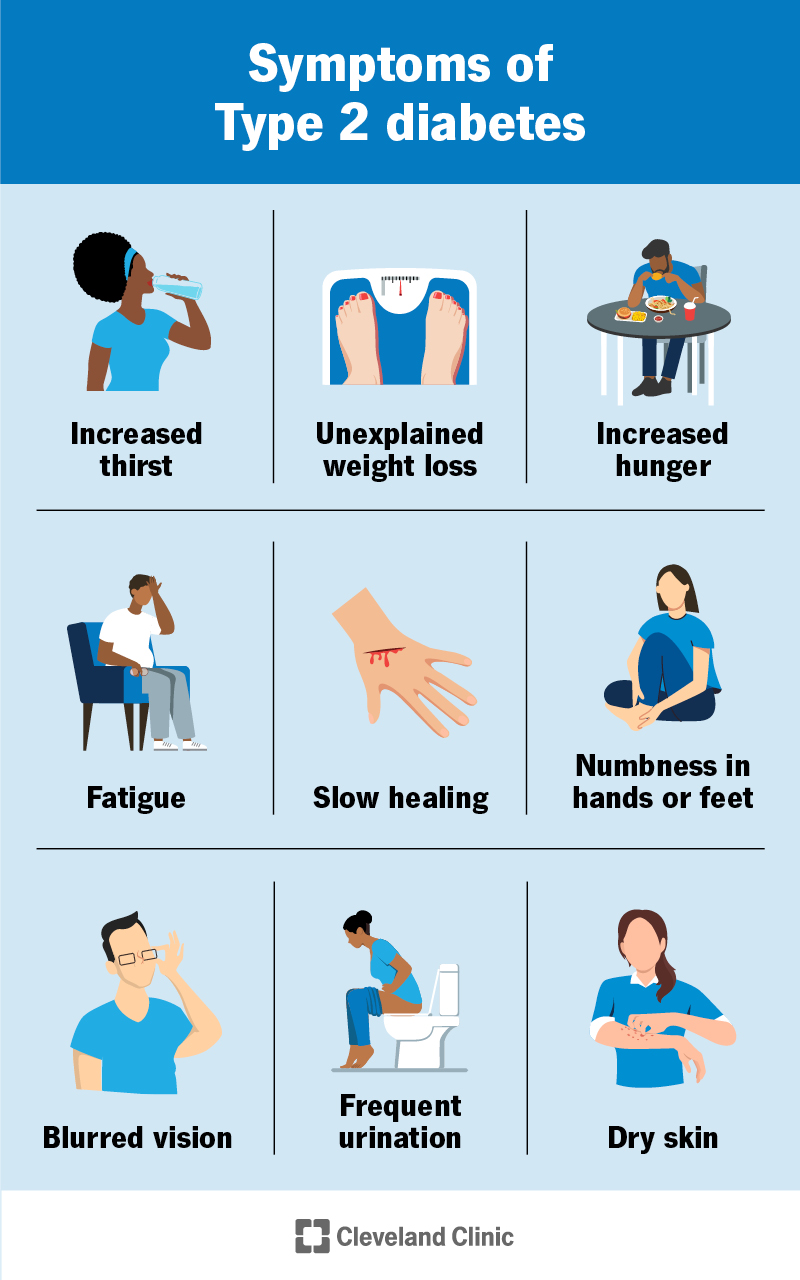
Type 2 diabetes is a chronic condition where the body struggles to manage blood sugar due to insulin resistance. Early warning signs of type 2 diabetes in adults often include increased thirst and fatigue, which occur when the body cannot effectively process glucose for energy.
Understanding the Causes: Insulin Resistance and Beyond
To understand Type 2 diabetes, I often ask my readers to imagine a lock and a key. In a healthy body, insulin is the key produced by the pancreas. Its job is to unlock your cells so that glucose—the sugar from the food you eat—can enter and provide energy. In a body experiencing insulin resistance, the locks on the cells become "rusty." The keys no longer fit perfectly, and the glucose remains stuck in the bloodstream rather than fueling your muscles and brain.
As this resistance grows, your pancreatic function is put under immense pressure. The pancreas attempts to compensate by pumping out more insulin, but eventually, it cannot keep up. This leads to hyperglycemia, or high blood sugar, which is the hallmark of the condition. While lifestyle factors like physical inactivity and carrying excess abdominal fat play a significant role, genetics are a powerful silent partner. If both of your parents have the condition, your genetic risk factor can be as high as 70%.
Improving your metabolic health is about more than just a number on a scale. It is about restoring that lock-and-key relationship. We look at the body holistically, understanding that stress, sleep quality, and even the timing of your meals influence how well your insulin works.
Early Warning Signs of Type 2 Diabetes in Adults
One of the most startling statistics from the International Diabetes Federation is that nearly half of people with diabetes don't know they have it. The early warning signs of type 2 diabetes in adults are often subtle and easily dismissed as signs of "just getting older" or being "stressed at work."
Increased thirst and frequent urination are usually the first signs. When sugar levels rise in the blood, the kidneys work overtime to filter and absorb that excess glucose. If they can't keep up, the sugar is excreted in your urine, taking fluids from your tissues with it and leaving you dehydrated. This cycle of drinking more and urinating more is a classic red flag.
Other symptoms include:
- Unexplained fatigue that doesn't improve with rest
- Blurred vision caused by fluid shifts in the lenses of the eyes
- Slow-healing sores or frequent infections
- Tingling or numbness in the hands and feet
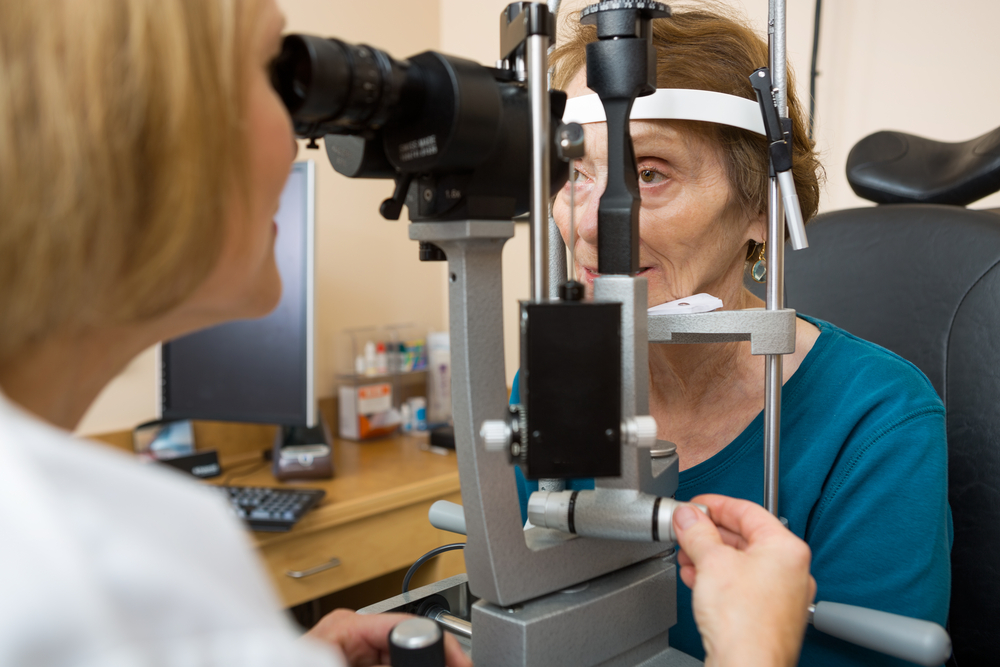
Early detection is vital for preventing prediabetes progression into a full diagnosis. If you recognize these signs, a simple blood test measuring your Hemoglobin A1C can provide a three-month average of your blood sugar levels and help your care team determine the best path forward.
2026 Nutrition Standards: Mediterranean and Low-Carb Patterns
In my years as an editor, I’ve seen diet trends come and go, but the 2026 standards for diabetes management have shifted toward something much more sustainable: Medical Nutrition Therapy (MNT). We have moved away from "forbidden foods" and toward personalized nutrition that respects your culture, preferences, and metabolic needs.
Two of the most effective strategies currently recommended are Mediterranean diet meal planning for type 2 diabetes management and low carbohydrate eating patterns for type 2 diabetes management. The Mediterranean approach emphasizes healthy fats from olive oil, lean proteins, and plenty of fiber-rich vegetables. Conversely, a low-carbohydrate approach focuses on reducing the total glycemic load to prevent sharp spikes in blood sugar.
| Measurement Type | Normal Range | Prediabetes Range | Type 2 Diabetes Range |
|---|---|---|---|
| Fasting Glucose | Less than 100 mg/dL | 100 – 125 mg/dL | 126 mg/dL or higher |
| Hemoglobin A1C | Less than 5.7% | 5.7% – 6.4% | 6.5% or higher |
Achieving five to seven percent weight loss for diabetes control remains a "North Star" for many. This modest reduction has been clinically proven to improve insulin sensitivity and, in some cases, even lead to remission.

Modern Treatments: Technology and Lifestyle Integration
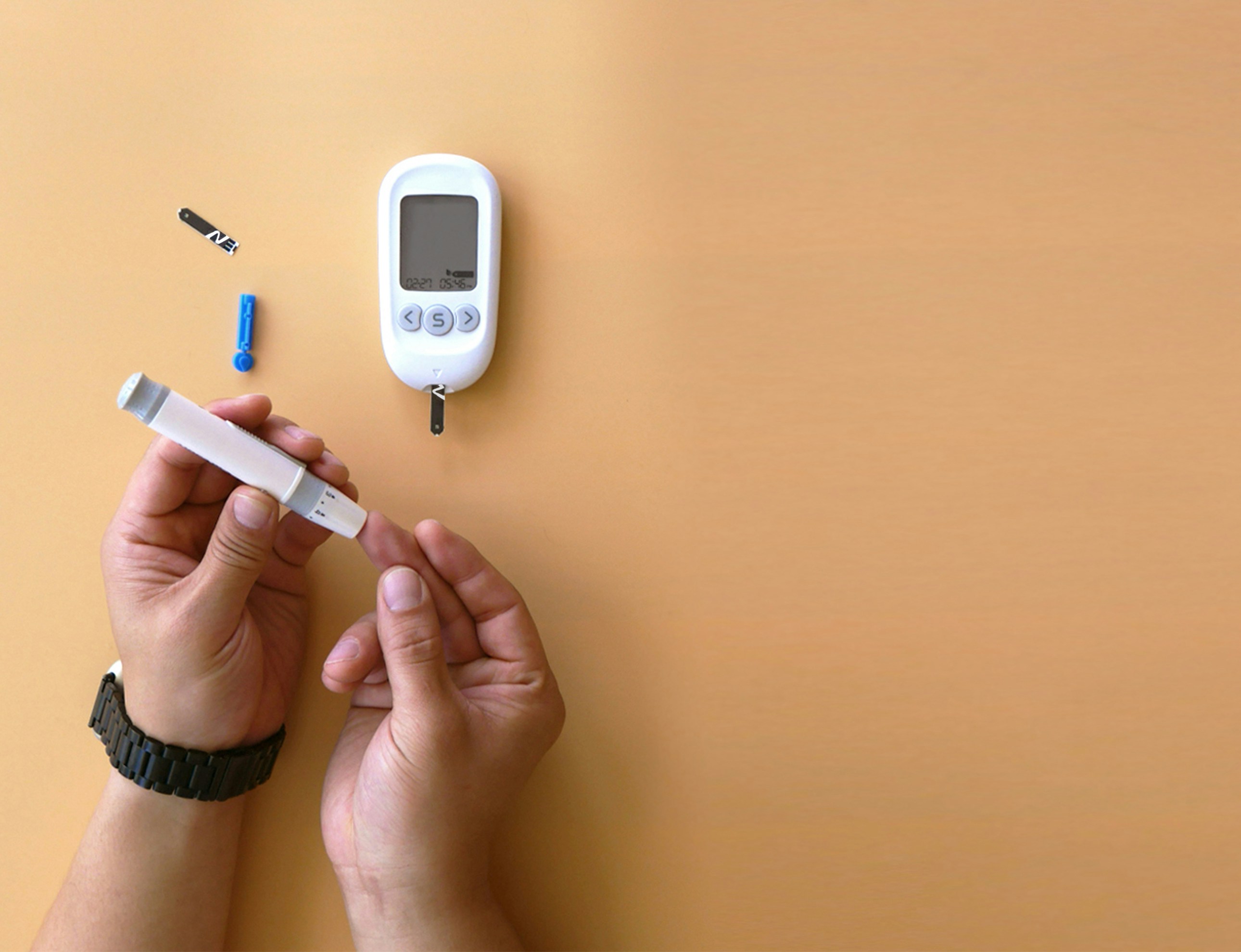
Diabetes management in 2026 is no longer just about taking a pill and hoping for the best. It is a data-driven, tech-supported journey. One of the biggest breakthroughs has been the wider adoption of Continuous Glucose Monitoring (CGM).
Learning how to use continuous glucose monitoring for type 2 diabetes changes your relationship with food. Instead of wondering why you feel sluggish after a meal, you can see the real-time impact of a piece of bread or a brisk walk on your phone. This technology removes the "food fear" by providing immediate feedback, allowing for a more flexible and empowered lifestyle.
2026 Clinical Update: Technology and Weight Management Modern GLP-1 and GIP receptor agonists are revolutionizing weight-centric diabetes care. These medications, when paired with lifestyle changes, help manage blood sugar while supporting significant weight reduction. Additionally, the integration of CGM data into telehealth platforms allows for faster adjustments to treatment plans without the need for monthly office visits.
Exercise is the other pillar of treatment. While 150 minutes of moderate activity per week is the baseline, we now emphasize muscle-strengthening exercises three times weekly. Muscle tissue is metabolically active; the more you have, the more glucose your body can burn even while at rest.
For our senior readers, geriatric diabetes care requires a nuanced approach. While younger adults might have aggressive targets, blood pressure targets for older adults with type 2 diabetes focus on maintaining levels below 130/80 mmHg to protect cardiometabolic health without increasing the risk of falls. Protein intake also becomes more important—aiming for 1.0 to 1.5g per kilogram of body weight to prevent muscle loss.

Empowering Self-Management
The most successful patients are those who engage with DSMES—Diabetes Self-Management Education and Support. This is a collaborative process where you work with specialists to tailor a plan to your life, not the other way around. It covers everything from meal planning to managing the emotional stress of a chronic condition.


FAQ
What are the early warning signs of type 2 diabetes?
The most common early signs include excessive thirst, a frequent need to urinate (especially at night), and persistent fatigue. Some people also notice that their vision becomes occasionally blurry or that small cuts and bruises take an unusually long time to heal. These symptoms occur because high sugar levels affect fluid balance and blood circulation throughout the body.
Can type 2 diabetes be reversed or cured?
While there is no permanent "cure" in the traditional sense, many individuals can achieve what is known as diabetes remission. Remission occurs when blood sugar levels remain in a healthy, non-diabetic range for at least three months without the use of glucose-lowering medications. This is most often achieved through significant lifestyle changes, including weight loss and dietary adjustments.
How is type 2 diabetes managed without medication?
In the early stages, or for those with prediabetes, management focuses on intensive lifestyle interventions. This includes adopting Mediterranean diet meal planning for type 2 diabetes management, engaging in 150 minutes of aerobic activity per week, and performing muscle-strengthening exercises three times weekly. Achieving five to seven percent weight loss for diabetes control is also a primary strategy for managing the condition without pharmaceutical aid.
What foods should be avoided with type 2 diabetes?
Modern nutrition emphasizes the overall eating pattern rather than just "bad" foods. However, it is generally recommended to limit sugar-sweetened beverages, highly processed snacks, and refined grains like white bread or white rice. These foods cause rapid spikes in blood sugar. Instead, focusing on high-fiber carbohydrates, lean proteins, and healthy fats helps maintain steady glycemic control.
What are the long-term complications of type 2 diabetes?
If left unmanaged, chronic high blood sugar can damage the small and large blood vessels. This can lead to serious health issues such as chronic kidney disease, nerve damage (neuropathy), vision loss (retinopathy), and an increased risk of heart disease and stroke. This is why maintaining cardiometabolic health and monitoring blood pressure are just as important as tracking sugar levels.
Is type 2 diabetes hereditary or lifestyle-related?
It is a combination of both. While lifestyle choices like diet and activity levels are significant triggers, genetics play a major role in how your body processes insulin and where you store fat. You may have a strong genetic predisposition to insulin resistance, but lifestyle interventions can often prevent or delay the onset of the condition even if it runs in your family.
Next Steps in Your Management Journey
Living with Type 2 diabetes is a marathon, not a sprint. It is about the small, daily choices that add up to long-term wellness. Whether you are focusing on Mediterranean diet meal planning for type 2 diabetes management or simply trying to get more steps in your day, remember that perfection isn't the goal—consistency is.
The impact of achieving five to seven percent weight loss for diabetes control cannot be overstated; it is often the single most effective step you can take for your metabolic health. If you feel overwhelmed, I encourage you to reach out to a DSMES specialist. You don't have to carry the mental load of diabetes management alone. With the right tools, technology like CGM, and a supportive care team, you can live a vibrant, healthy life.