Quick Facts
- Misdiagnosis Rate: Between 15% and 30% of individuals with high office readings actually have normal blood pressure in their daily lives.
- Office Variation: Clinical environment stress can cause systolic and diastolic pressure to fluctuate by as much as 30 mmHg.
- The 84% Error: Research shows that using an incorrect cuff size accounts for approximately 84% of all measurement errors in medical settings.
- Home Gold Standard: Using home blood pressure monitoring offers a 90% sensitivity rate for diagnosis compared to just 81% for clinic-only checks.
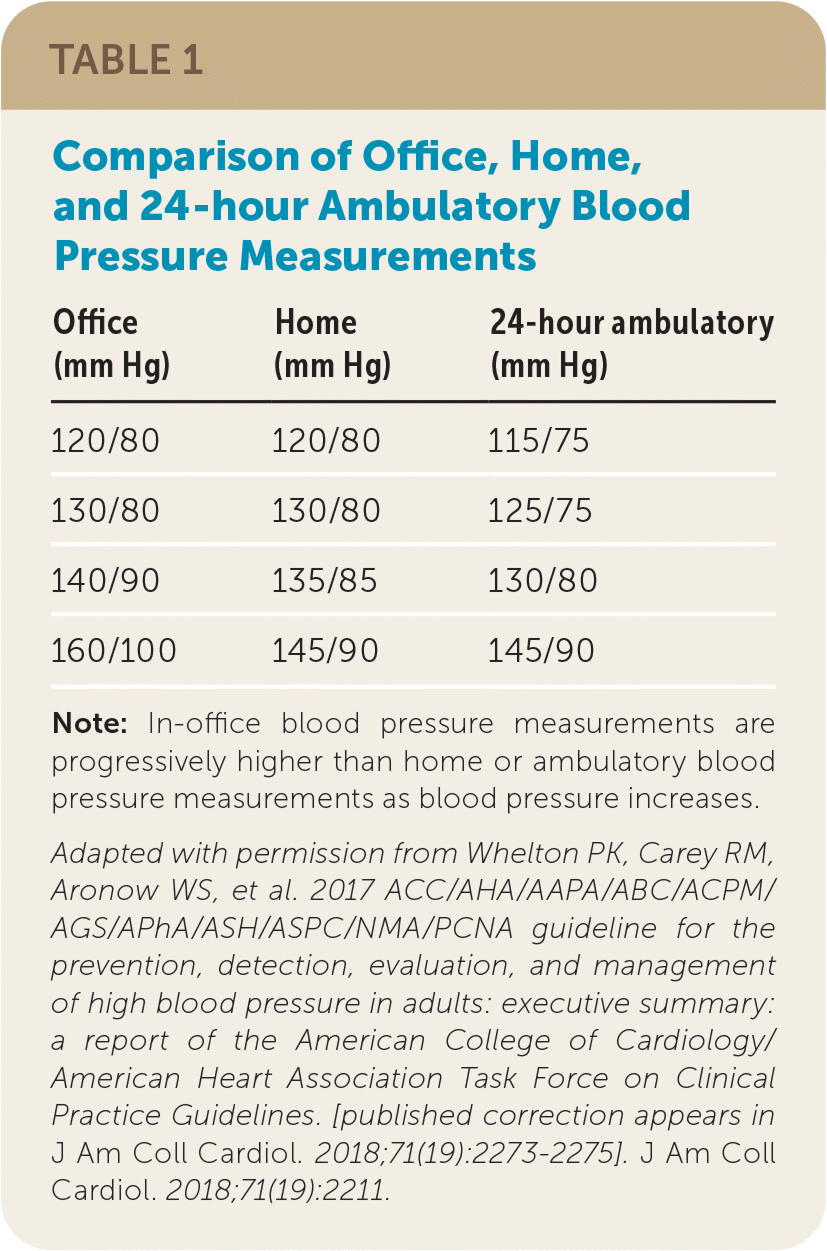
- Critical Threshold: A reading of 135/85 mmHg at home is the clinical equivalent of 140/90 mmHg recorded in a doctor’s office.
- Verification Tool: Experts recommend checking any personal oscillometric devices against the certified lists at ValidateBP.org.
Have you ever felt your heart race the moment a nurse wraps a cuff around your arm? You aren't alone. This phenomenon, known as white coat hypertension, affects up to 30% of patients and can lead to unnecessary medication. White coat hypertension occurs when blood pressure readings are elevated in a medical setting due to situational anxiety but remain normal in daily life. Because office snapshots are often inaccurate, home blood pressure monitoring is becoming the gold standard for a true cardiovascular health assessment.
The Problem: Why In-Office Readings Often Fail
When you step into a clinic, your body often enters a subtle state of high alert. This physiological response is the root of white coat hypertension. For many men, the sterile environment, the ticking clock in the waiting room, or even the subconscious fear of a bad diagnosis triggers the sympathetic nervous system. This situational anxiety causes a temporary spike in heart rate and vascular resistance.
The result is a reading that does not reflect your resting baseline. Studies suggest that these office-induced spikes can lead to a variation of 30 mmHg or more compared to your actual average. If a doctor bases a long-term treatment plan solely on this single snapshot, you might be diagnosed with a condition you don't actually have. This lack of diagnostic specificity is why many longevity experts now view a single office reading as merely a screening tool rather than a final verdict.
In a fast-paced clinical setting, the resting period protocol is frequently ignored. Guidelines suggest you should sit quietly for five minutes before a measurement, but in reality, the cuff is often applied the moment you sit down. This rush, combined with the underlying situational anxiety, makes the office an inherently difficult place to get an accurate cardiovascular health assessment.
5 Common Blood Pressure Measurement Mistakes at the Doctor
Even without the white coat effect, technical errors in the clinic are surprisingly common. These blood pressure measurement mistakes can artificially inflate your numbers, leading to a false diagnosis.
- The Full Bladder Factor: Walking into an exam with a full bladder is a major mistake. Research indicates that bladder distension can falsely elevate systolic blood pressure by as much as 33 mmHg. Always use the restroom before your vitals are taken.
- Miscuffing: This refers to using an incorrect cuff size. If the cuff is too small for your arm, the machine must exert more pressure to compress the artery, leading to an overestimation of your pressure. Choosing the right blood pressure cuff size for accurate readings is vital, especially for men with more muscular upper arms.
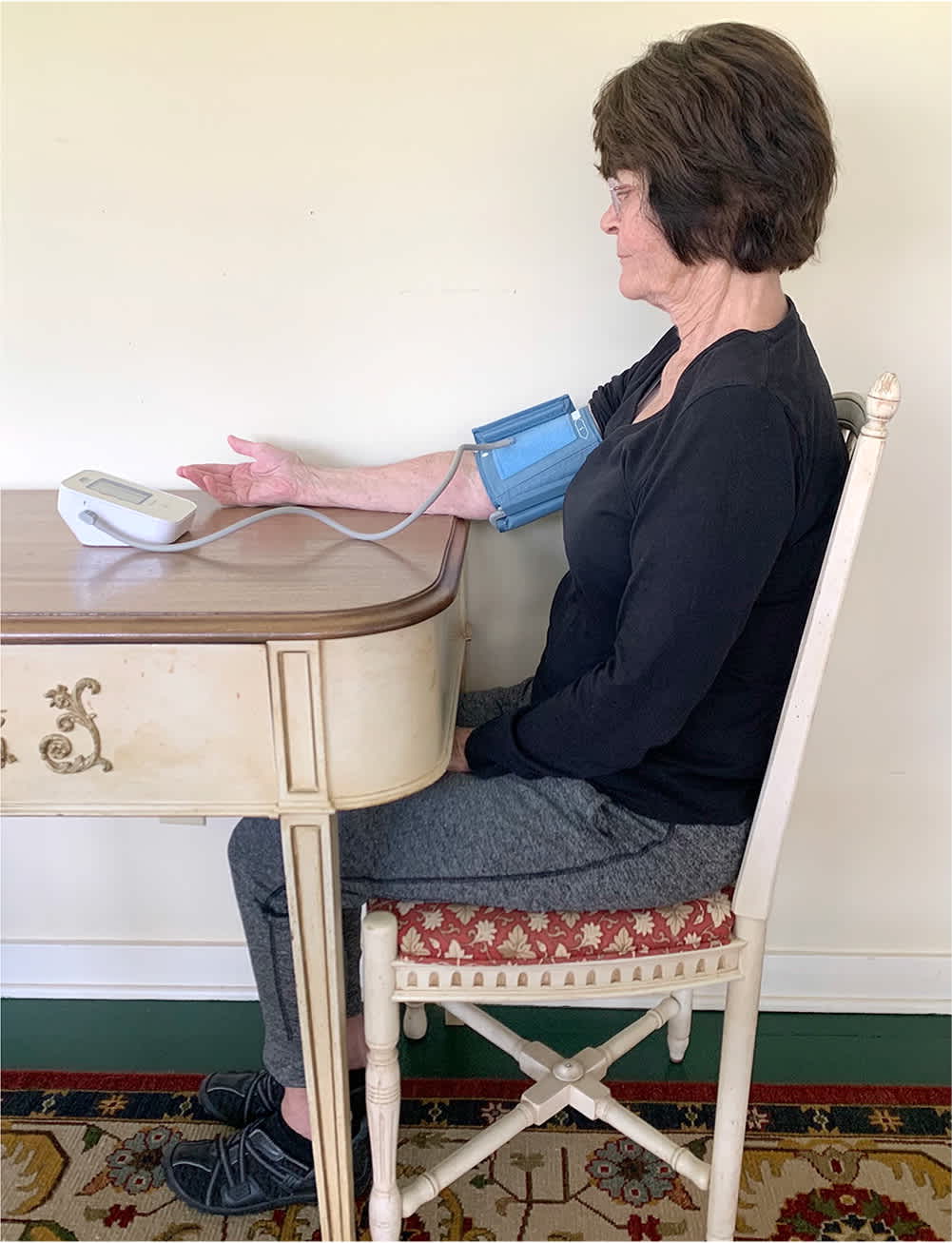
- Lack of Support: To get an accurate reading, your back must be supported against the chair and your feet must be flat on the floor. Crossing your legs or dangling your feet can raise your reading by 2 to 8 mmHg.
- Arm Position: Your arm must be positioned at heart level. If your arm is resting too low on a side table or hanging by your side, the effects of gravity will cause an artificially high reading. Proper brachial artery alignment with the heart is a non-negotiable step for accuracy.
- The Chatty Patient: Talking during the measurement—or even listening to the nurse talk—is one of the most common mistakes during in-office blood pressure measurement. Constant conversation can add up to 10 mmHg to the result.
Preparing for Your Next Reading: A Patient Checklist
To ensure your next clinical visit provides the most accurate data possible, you need to take control of the environment. Knowledge is power, and knowing how to prepare for a blood pressure reading at the doctor can prevent a misdiagnosis.
Use this checklist before your next appointment:
- Avoid Caffeine: Ensure there is no caffeine interference by avoiding coffee, tea, or energy drinks for at least 30 minutes prior to the test.
- No Nicotine: Refrain from smoking or using nicotine products for 30 minutes before the measurement.
- Empty Your Bladder: As noted, a full bladder significantly skews results.
- Request a Rest: Ask for a five-minute resting period protocol where you can sit quietly without being questioned about your medical history while the cuff is on.
- Watch Your Posture: Sit with your back supported, feet uncrossed and flat, and your arm supported at heart level.
- Silence is Golden: Avoid all conversation during the actual inflation and deflation of the cuff.
Taking these steps to reduce white coat effect during doctor visits allows the healthcare provider to see a much clearer picture of your actual arterial health.
Why Home Monitoring is the New Gold Standard
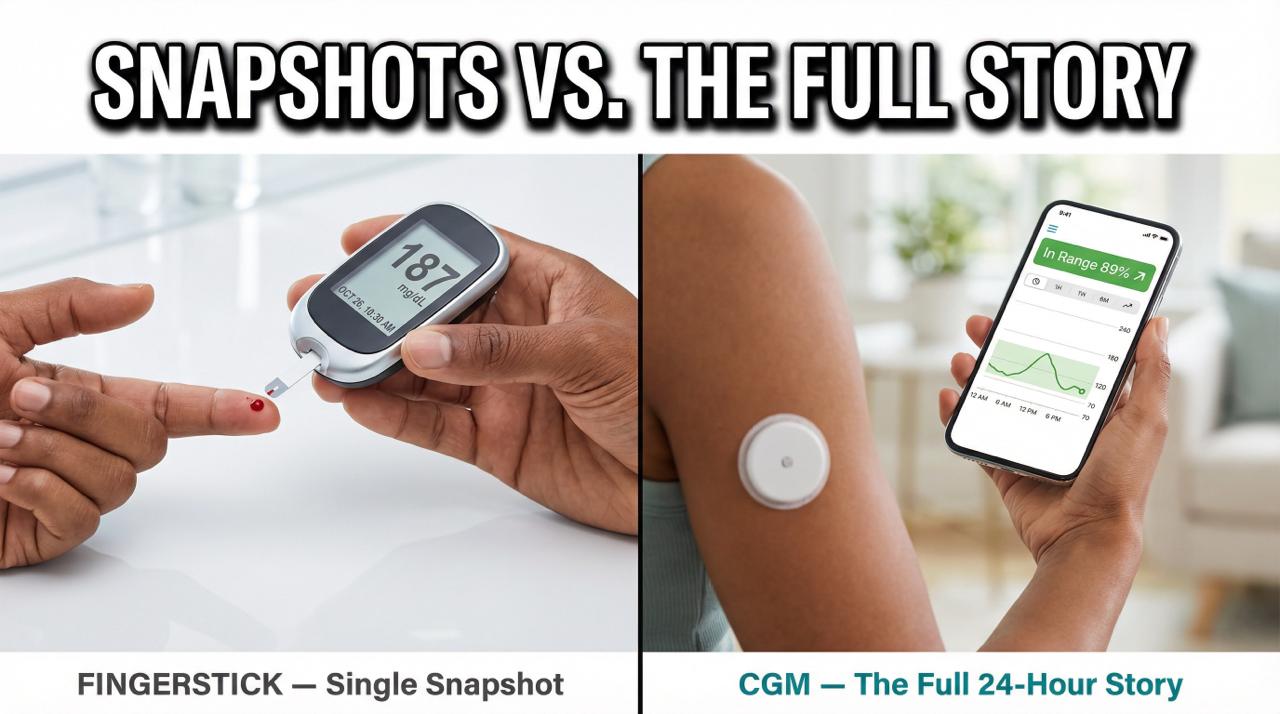
While doctors' offices provide a controlled environment, home blood pressure monitoring is quickly becoming the preferred method for long-term health management. The primary reason is the volume of data. An office reading is a "snapshot," but home monitoring provides a "video" of your health over time.
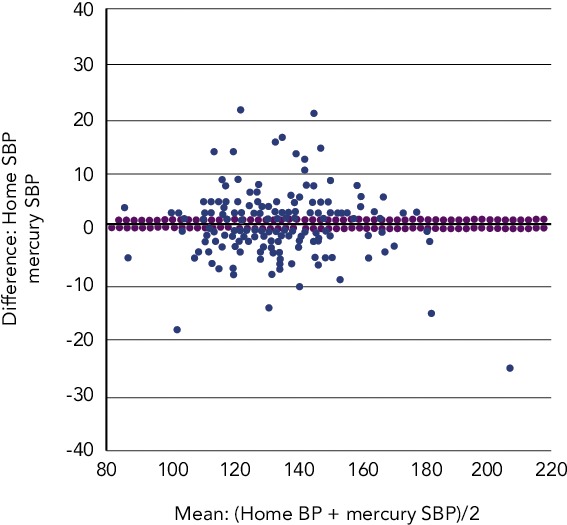
Most modern home units are oscillometric devices, which sense the vibrations of blood flow through the brachial artery. These devices are highly reliable when used correctly. The stability of home data is significantly higher than office data; home readings show a 4.2% coefficient of variation, compared to 8.6% in the clinic. This means home readings are more consistent and less susceptible to the random spikes caused by a stressful commute or a busy waiting room.
To implement the best practices for home blood pressure monitoring for diagnosis, clinical practice guidelines recommend taking two readings in the morning and two in the evening for a full week. Averaging these numbers provides a far more accurate representation of your true systolic and diastolic pressure than any single office visit ever could.
Beyond White Coat: Understanding Masked Hypertension
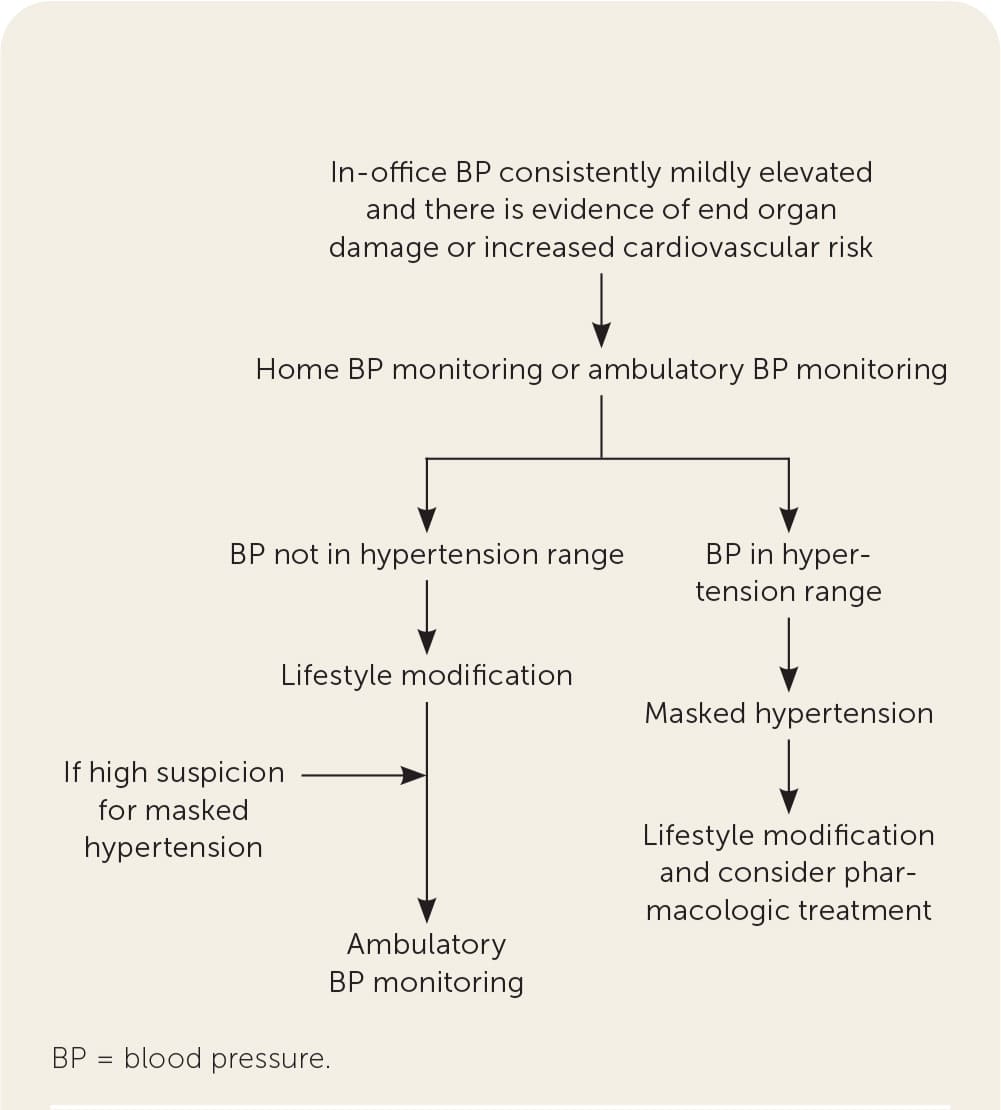
While we often worry about readings being too high in the office, the opposite problem is also a significant risk. Masked hypertension occurs when your blood pressure appears normal in the doctor’s office but is elevated during your normal daily life.
This is a particularly dangerous scenario because it gives both the patient and the doctor a false sense of security. Individuals with this condition have a stroke hazard ratio of 2.77, meaning they are at significantly higher risk for cardiovascular events than those with normal pressure. Without home monitoring, masked hypertension is almost impossible to detect during a standard cardiovascular health assessment.
This is why longevity strategies emphasize the need for regular checks outside the clinic. If you have a family history of heart issues or other risk factors, relying solely on office visits is a gamble. Using home blood pressure monitoring helps catch these hidden elevations before they lead to permanent damage.
FAQ
What is white coat hypertension?
It is a condition where a person's blood pressure is consistently higher when measured in a medical setting, such as a doctor's office, compared to other settings like the home. It is primarily caused by the stress or anxiety associated with clinical environments.
Is white coat hypertension dangerous?
While it is better than having sustained high blood pressure, it is not entirely harmless. It may indicate a higher sensitivity to stress and can be a precursor to developing permanent hypertension later in life. It requires regular monitoring to ensure it doesn't transition into a chronic condition.
How is white coat hypertension diagnosed?
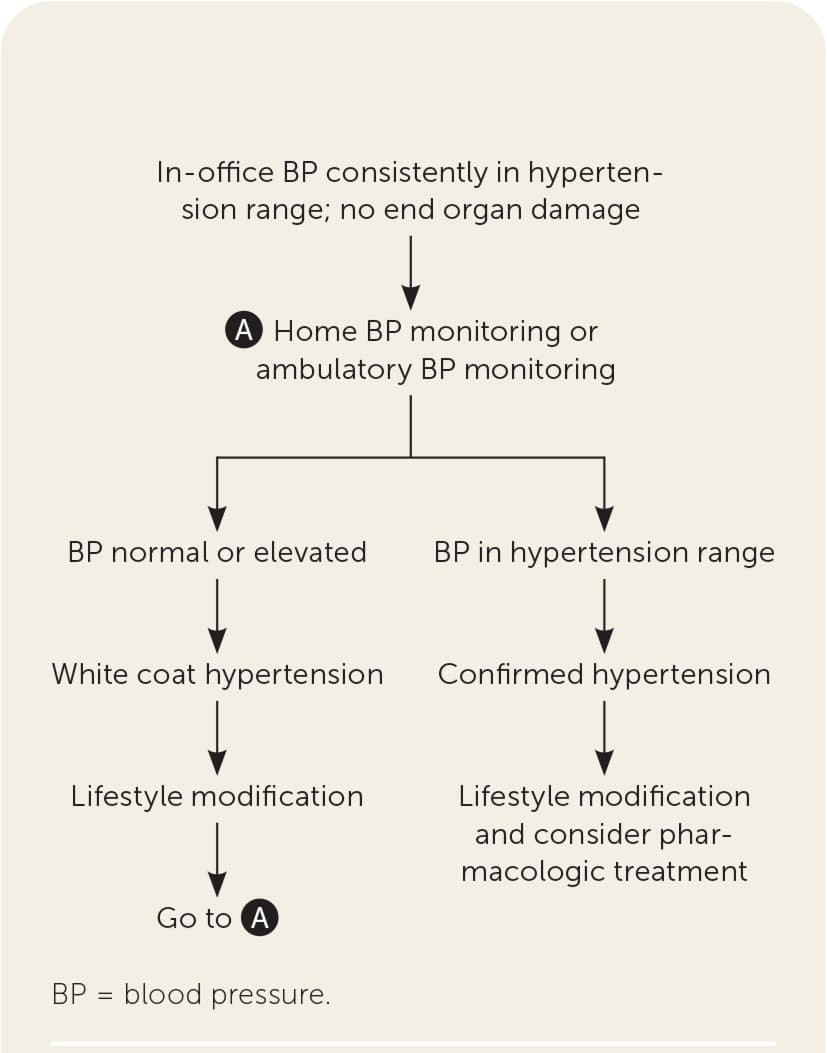
Diagnosis usually involves comparing high office readings with lower readings taken in a non-clinical environment. Doctors often use home blood pressure monitoring or ambulatory monitoring, where a patient wears a cuff for 24 hours, to confirm the diagnosis.
What is the difference between white coat and masked hypertension?
White coat hypertension is when readings are high only in the clinic and normal elsewhere. Masked hypertension is the opposite: readings appear normal in the clinic but are dangerously high during daily activities or sleep.
Can anxiety cause temporary high blood pressure at the doctor?
Yes, situational anxiety triggers the body's fight-or-flight response, releasing hormones like adrenaline that temporarily tighten blood vessels and increase heart rate. This can lead to a significant but temporary spike in blood pressure during an exam.
Take Control of Your Heart Health
The takeaway is clear: your heart health is too important to be judged by a single, potentially flawed measurement. While your doctor is a vital partner in your longevity journey, you are the one who lives in your body 24/7.
Start by investing in a high-quality, validated home monitor. Keep a log of your readings over the course of a week and bring that data to your next appointment. If your office readings remain high, discuss the accuracy of doctor office blood pressure vs home monitoring with your physician. Ask them to verify their sphygmomanometer calibration and ensure they are using the correct cuff size for your arm.
By being an active participant in your cardiovascular health assessment, you ensure that any treatment you receive is based on facts, not artifacts of a stressful clinic visit. True vitality and longevity are built on accurate data and preventive care.