Quick Facts
- Top for Consistency: Yakult (Lacticaseibacillus paracasei strain Shirota)
- Top for Diversity: Yogurt and Kefir (Multiple strains of Lactobacillus and Bifidobacterium)
- Top Dairy-Free: Kombucha (Fermented tea using a SCOBY)
- Concentrated Potency: A single 80 ml bottle of Yakult provides approximately 8 billion live Lacticaseibacillus paracasei strain Shirota.
- Low-Calorie Winner: Certain kombucha brands offer as little as 14 calories and 2.8 grams of sugar per 100 ml.
- Nutrient Density: Yogurt and dairy-based probiotic drinks are superior for protein, calcium, and Vitamin D.
- Market Trend: The global kombucha market reached USD 4.87 billion in 2024, showing a massive shift toward non-dairy functional beverages.
A comprehensive probiotic drink comparison reveals that Yakult, kombucha, and yogurt each offer unique advantages for the gut microbiome. Yakult provides a concentrated, researched dose of Lactobacillus casei Shirota, making it a consistent choice for immune and digestive support, while choosing the best probiotic drink for your lifestyle depends on whether you prioritize protein, bacterial diversity, or dairy-free options.
The Three Main Contenders: Yakult, Kombucha, and Yogurt
When we discuss the world of fermented beverages, three giants dominate the shelf. As a nutrition editor, I often see consumers confused by the "health halo" surrounding these products. To understand yakult vs kombucha vs yogurt for digestion, we must first look at how they are made and what biological "passengers" they carry.
Yakult is a standardized probiotic shot that has been around for nearly 90 years. It is essentially a functional beverage built around a single, highly resilient strain: Lactobacillus casei Shirota. Unlike many generic probiotics, this specific strain has decades of clinical research backing its ability to reach the intestines alive. A standard 80 ml bottle contains about 8 billion live Lacticaseibacillus paracasei strain Shirota, ensuring a consistent dose every time you peel back the foil lid.
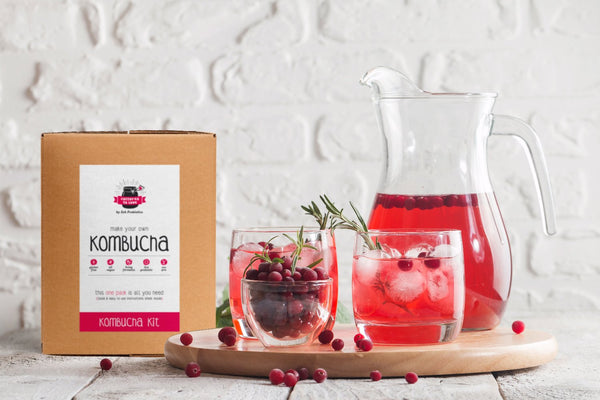
Kombucha offers a completely different experience. It is a fermented tea produced by a SCOBY, which stands for Symbiotic Culture of Bacteria and Yeast. During the fermentation process, the SCOBY consumes sugar and tea to produce a tangy, naturally effervescent drink. The yakult vs kombucha benefits debate often comes down to the delivery method; while Yakult is a targeted "shot," kombucha is a slow-sipping beverage rich in organic acids like acetic acid and gluconic acid, along with tea-derived antioxidants.
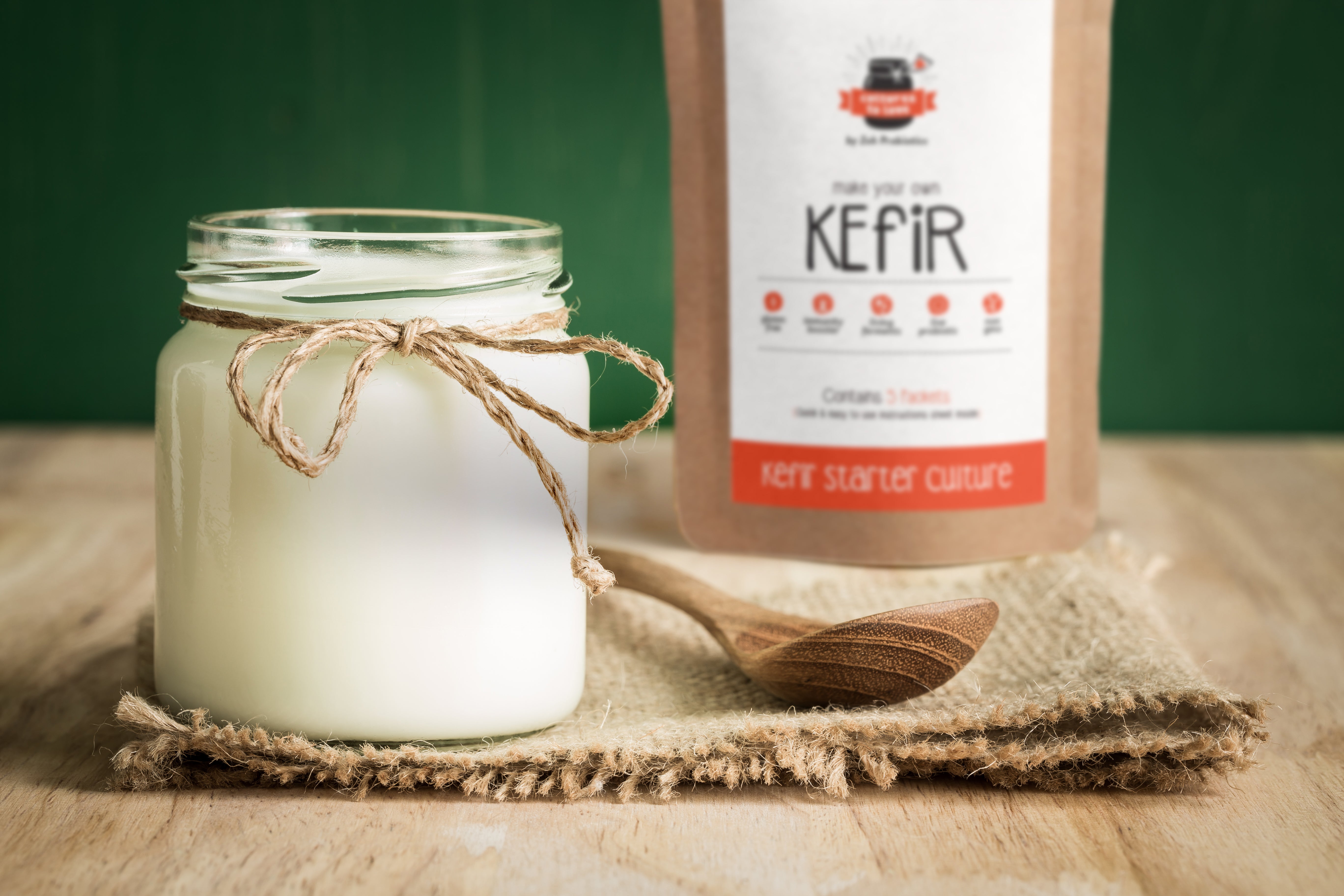
Yogurt and its liquid cousin, kefir, represent the traditional dairy path. These are created by fermenting milk with live cultures, typically including Lactobacillus bulgaricus and Streptococcus thermophilus. While Yakult uses a single strain for precision, yogurt often provides a broader spectrum of bacterial diversity. However, many commercial yogurt drinks use transient bacteria that may not always colonize the gut as effectively as specialized strains.
Nutritional Showdown: Sugar, Protein, and CFUs
When comparing sugar content in popular probiotic drinks, the numbers can be surprising. Many people view these drinks as pure health tonics, but the fermentation process often requires sugar to feed the bacteria, and manufacturers add more to mask the natural acidity of the ferment.
| Nutrient (per 100ml) | Yakult (Original) | Typical Kombucha | Low-Fat Yogurt Drink |
|---|---|---|---|
| Calories | ~66 kcal | ~14-25 kcal | ~60-80 kcal |
| Sugar | ~13.6 g | ~2.8-5 g | ~9-12 g |
| Protein | ~1.2 g | 0 g | ~3-5 g |
| Calcium | Minimal | Minimal | ~10-15% DV |
While Yakult provides a potent probiotic punch, it can contain up to 13.6 grams of sugar and 66 calories per 100 ml. In contrast, some leading kombucha brands offer a much lower-calorie alternative with 2.8 grams of sugar and 14 calories per 100 ml. If you are monitoring your glycemic index or overall calorie intake, kombucha is often the clearer winner.
However, we cannot ignore the protein factor. Yogurt and kefir are the heavyweights here. If you are looking for a post-workout snack that supports your gut, yogurt provides the amino acids necessary for muscle repair alongside live cultures. Kombucha is virtually protein-free. Furthermore, dairy-based drinks are frequently fortified with Vitamin D and calcium, providing a broader nutritional profile than tea-based ferments.
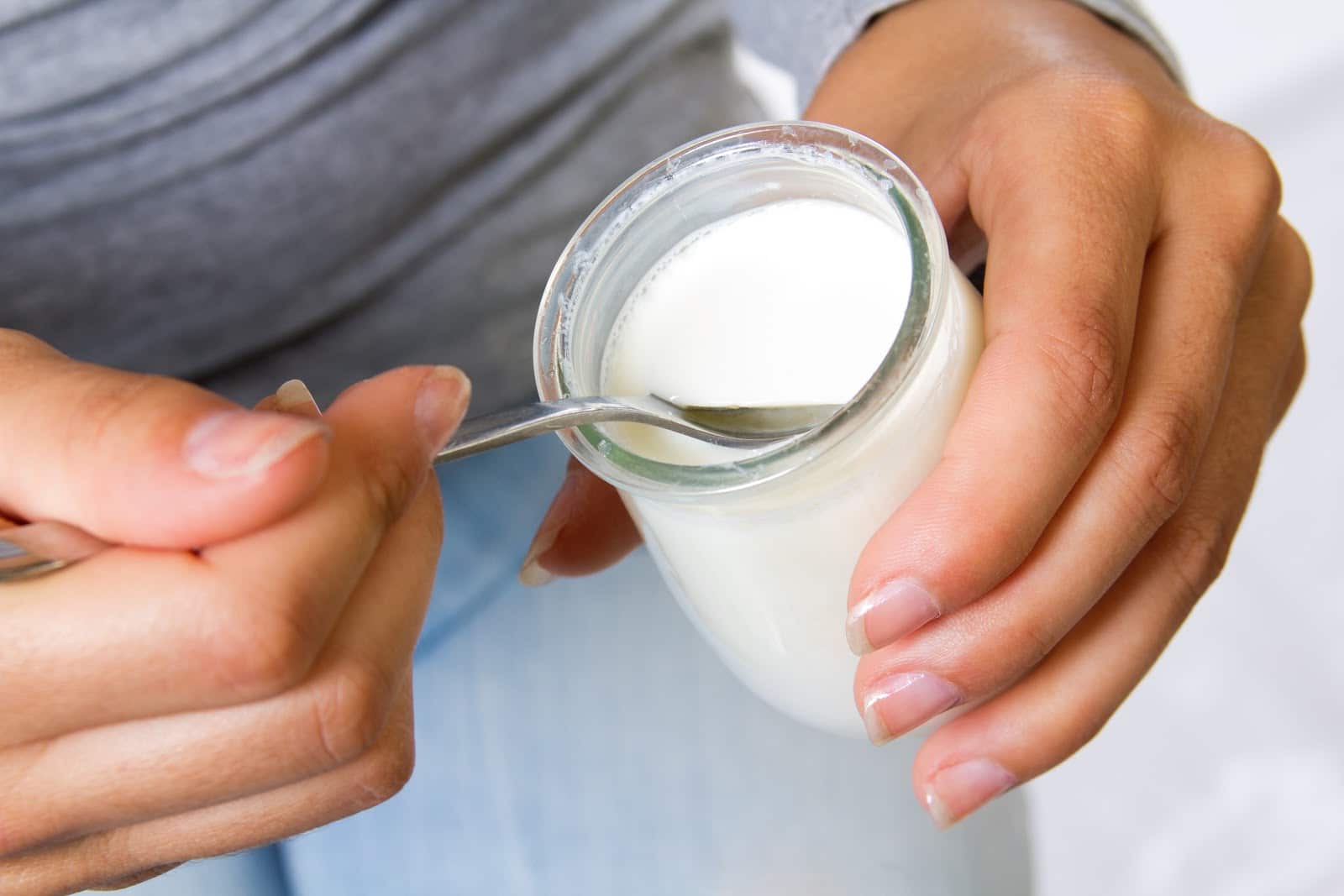
When looking at Colony Forming Units (CFUs), more is not always better. A yogurt might claim 10 billion CFUs, but if those strains cannot survive your stomach acid, they won't help your gut microbiome. Yakult specializes in survival technology, ensuring their specific strain reaches the lower digestive tract. Most commercial yogurts typically provide between 1 billion and 6 billion colony-forming units (CFUs) per individual serving, but the survival rate of these diverse strains can vary significantly between brands.
Immunity and Digestion: Single vs. Multi-Strain Benefits
The core of the kombucha vs yogurt for gut health debate often centers on whether you need variety or specificity. Think of your gut as a garden. Choosing between single strain and multi strain probiotic drinks is like deciding between planting one highly resilient, prize-winning rose bush or a diverse mix of wildflowers.

Yakult follows the single-strain philosophy. By focusing on Lactobacillus casei Shirota, they provide a predictable biological outcome. This approach is often better for yakult vs kombucha for immune system support, as this specific strain has been shown in studies to stimulate natural killer cell activity and improve intestinal transit time. For those seeking targeted relief from constipation or a boost in seasonal immunity, the "shot" format offers medicinal precision.
On the other hand, yogurt and kefir provide bacterial diversity. A diverse gut microbiome is generally associated with better health outcomes, including improved nutrient absorption and a more robust inflammatory response. If you don't have a specific health issue but want to maintain a healthy internal ecosystem, the multi-strain approach of high-quality yogurt is excellent.
Kombucha brings a third element to the table: organic acids. The fermentation process creates substances like acetic acid, which has antimicrobial properties, and glucuronic acid, which may help with detoxification in the liver. While kombucha might have fewer "colonizing" bacteria than Yakult, its metabolic byproducts offer unique functional beverages benefits that dairy drinks lack.
Dietary Suitability: Dairy-Free and Low-Sugar Options
One of the most important factors in choosing the best probiotic drink is your personal biology—specifically your ability to digest dairy. With roughly 65% of the global population experiencing some form of reduced ability to digest lactose after infancy, traditional yogurt and Yakult may not be suitable for everyone.
For these individuals, the best dairy free probiotic drinks for gut health are kombucha and water kefir. Kombucha is naturally vegan and dairy-free, making it the premier choice for those with lactose intolerance. It allows you to reap the benefits of fermentation without the bloating or distress associated with milk sugars.
If you prefer the creamy texture of yogurt, the market for plant-based yogurt drinks made from almond, coconut, or soy milk has exploded. These often have live cultures added back in after the pasteurization of the nut milk. While they may not naturally contain the same bacterial diversity as traditional dairy, they are often fortified with Vitamin D and calcium to match the nutritional profile of dairy.
Label Literacy: How to Choose the Best Product
As a nutrition editor, the most important advice I can give is to stop looking at the front of the bottle and start reading the back. Marketing terms like "probiotic-rich" or "gut-friendly" are not regulated. Here is my checklist for your next supermarket visit:
- Identify the Strains: Look for three-part names like Lactobacillus rhamnosus GG. If it just says "live cultures," you aren't getting a guaranteed therapeutic dose.
- CFU Count at Expiry: Ensure the bottle lists the CFU count at the end of its shelf life, not at the time of manufacture. Bacteria die over time; you want to know what is actually alive when you drink it.
- Added Sugars: Aim for drinks with less than 10g of sugar per serving. If you choose Yakult, be aware of the sugar-to-volume ratio and consider the "Light" version if available.
- Refrigeration: Authentic live cultures are usually temperature-sensitive. If a probiotic drink is sitting on a non-refrigerated shelf and isn't in a specialized shelf-stable capsule, the bacteria may no longer be active.
- Organic Acids and SCOBY: For kombucha, look for brands that mention "raw" or "unpasteurized." Pasteurizing kombucha kills the very bacteria you are buying it for.
Editor's Tip: If you are trying a new probiotic drink for the first time, start slow. Introducing a massive amount of new bacteria to your system can cause temporary bloating as your resident flora adjusts to the newcomers.
FAQ
Which probiotic drink is most effective for gut health?
There is no single "most effective" drink because effectiveness depends on your specific health goals. For targeted immune support and digestive regularity, a research-backed single strain like Yakult is highly effective. For general microbiome health and nutrient density, yogurt and kefir are superior due to their bacterial diversity and protein content. For a low-calorie, dairy-free option that provides organic acids, kombucha is the best choice.
What is the difference between kefir, kombucha, and yogurt drinks?
Kefir is a fermented milk drink made with "grains" that contain both bacteria and yeast, resulting in a thin, drinkable consistency and high bacterial diversity. Yogurt is also dairy-based but usually thicker and fermented with fewer specific strains of bacteria. Kombucha is non-dairy, made from fermented sweetened tea, and offers a different profile of organic acids and antioxidants compared to the lactic acid found in dairy ferments.
Are probiotic drinks better than taking supplements?
Probiotic drinks offer the advantage of "whole food" nutrition, providing protein, vitamins, and minerals alongside the bacteria. The liquid format can also help buffer stomach acid, potentially helping some strains survive the journey to the gut. However, supplements often provide much higher CFU counts and specific, clinically studied strains for conditions like IBS that may not be present in food sources.
What should I look for on the label when comparing probiotic drinks?
Focus on the specific strain names, the CFU count at the time of expiration, and the amount of added sugar. Avoid products that use "probiotic" as a buzzword without naming the bacteria involved. Also, check if the product requires refrigeration, as this is often a sign of truly live and active cultures.
Are there any side effects to consuming probiotic drinks daily?
Most people can enjoy probiotic drinks daily without issue. However, some may experience mild gas, bloating, or changes in bowel habits during the first few days as the gut microbiome shifts. If you have a severely compromised immune system or are recovering from major abdominal surgery, you should consult a doctor before adding high-dose probiotic drinks to your routine.
Conclusion
Navigating a probiotic drink comparison doesn't have to be overwhelming. If you value scientific consistency and a quick daily routine, Yakult is a time-tested winner. If you want a functional beverage that replaces soda and fits a dairy-free lifestyle, kombucha offers a sophisticated, low-sugar profile. And for those who need a nutritional powerhouse that supports bone health and muscle maintenance, traditional yogurt and kefir remain the gold standard.

Ultimately, the best probiotic drink is the one you enjoy enough to consume regularly. Our gut bacteria thrive on consistency. Whether you prefer the 90-year legacy of L. casei Shirota or the ancient tradition of the SCOBY, your gut microbiome will thank you for the investment in your long-term vitality. Next time you are in the dairy or functional beverage aisle, use your new label literacy to choose the bottle that best fits your unique health journey.