Quick Facts
- Starter Dose Cost: $299 per month for 2.5 mg vials
- Maintenance Pricing: $449 per month for 7.5 mg to 15 mg doses
- Access Channel: Exclusive availability through LillyDirect self-pay
- Administration Method: Manual subcutaneous injection using insulin syringes
- Savings Requirement: Adherence to a strict 45-day refill rule for maintenance pricing
As weight management medications evolve, Zepbound vials offer a significant cost-saving alternative to traditional auto-injectors. Starting as low as $299 per month for the 2.5 mg dose, these single-dose vials are designed for patients paying out-of-pocket through LillyDirect. Understanding the difference between vials and pens is key to managing your chronic weight management journey effectively while reducing out-of-pocket expenses.
The landscape of obesity treatment has shifted dramatically over the last few years. While medications like tirzepatide have shown remarkable results in clinical trials, the barrier for many has remained financial. Traditional delivery methods, specifically the pre-filled auto-injector pens, come with high manufacturing costs and complex supply chains that often push the price point out of reach for those without comprehensive insurance. By introducing Zepbound vials, the manufacturer has stripped away the complexity of the delivery device to focus on what matters most: the medication itself and its affordability for the average patient.
The Cost Revolution: Zepbound Vials vs. Auto-Injectors
For many individuals embarking on a weight loss journey, the primary hurdle isn't the commitment to a new lifestyle—it is the list price transparency of the medication. Standard auto-injector pens for GLP-1 receptor agonist and GIP receptor agonist therapies often carry a heavy price tag. Specifically, the list price of Zepbound auto-injector pens is approximately $1,060 for a one-month supply.
The introduction of single-dose vials represents a massive shift in how these drugs are distributed. By bypassing the expensive mechanical components of a pen and moving through a direct-to-consumer model, the costs are drastically reduced. This is particularly beneficial for those who find themselves in the "insurance gap"—patients whose employer insurance does not cover weight loss medications or those who are ineligible for standard manufacturer savings cards.
| Dose Type | Zepbound Vial Price (Monthly) | Traditional Auto-Injector List Price |
|---|---|---|
| 2.5 mg Starter Dose | $299 | ~$1,060 |
| 5 mg Dose | $399 | ~$1,060 |
| 7.5 mg - 15 mg Maintenance | $449 | ~$1,060 |
This pricing structure provides a nearly 50% discount compared to competitors like Wegovy for patients paying out-of-pocket. The Zepbound vial vs auto-injector cost comparison is clear: for a patient starting their treatment, the 2.5 mg starter dose cost 2026 is set at $299 per month, providing an accessible entry point into chronic weight management. Even as you move up the dose escalation schedule, the 5 mg dose at $399 per month remains far more affordable than the alternatives.
Pharmacy benefit managers often play a role in inflating costs through complex rebate systems. By offering Zepbound vials directly to patients, the manufacturer bypasses these third-party supply chain entities, ensuring that the savings are passed directly to the consumer. This model is a significant step forward in making tirzepatide single-dose vial benefits available to a broader demographic of patients who previously could not afford the four-figure monthly expense.
Eligibility and the 45-Day Refill Rule
While the cost savings are substantial, it is important to understand that the Zepbound savings program eligibility for these vials is specific. These prices are not available at your local retail pharmacy; they are exclusive to the LillyDirect self-pay channel. To qualify, patients must have a valid, on-label prescription from a healthcare provider. This means the medication must be prescribed for the treatment of obesity or for overweight individuals with weight-related medical conditions such as hypertension or type 2 diabetes.
One of the most critical aspects of maintaining these low prices is the zepbound 45 day refill rule for discounted pricing. This rule is designed to ensure patients stay consistent with their treatment plan. For those on maintenance doses (ranging from 7.5 mg to 15 mg), the discounted $449 price point is contingent on regular refills. Specifically, a patient must refill their 28-day supply of Zepbound vials within 45 days of their previous order.
If a patient misses this window, they may face challenges in securing the zepbound maintenance dose pricing for self pay patients on their next order. This rule emphasizes the importance of treatment adherence. Chronic weight management is a long-term commitment, and the pricing model reflects the need for a continuous, uninterrupted supply of medication. By keeping within the 45-day window, you ensure your zepbound 5mg vial monthly cost comparison remains favorable and your budget stays on track.
Expert Tip: Set a calendar reminder for 21 days after you receive your shipment. This gives you plenty of time to navigate the LillyDirect portal and ensure your next box arrives before you run out, comfortably satisfying the 45-day rule.
How to Access: Ordering Through LillyDirect
Accessing Zepbound vials requires a slightly different approach than the traditional pharmacy pickup. The process is centralized through LillyDirect, a platform created to simplify the patient experience. This direct-to-consumer model is what allows for the significant price reduction, as it removes the markups typically added by wholesalers and retail pharmacies.
The first step in how to order zepbound vials through lillydirect self pay is consulting with your healthcare provider. You can do this through your primary care physician or via qualified telehealth services. Your doctor will need to send an electronic prescription specifically for Zepbound single-dose vials to LillyDirect. It is vital that the prescription specifies "vials" rather than the auto-injector pens, as the two delivery systems are not interchangeable at the pharmacy level.
Once LillyDirect receives your prescription, you will receive an invitation to create an account on their self-pay portal. Here, you will confirm your status as an out-of-pocket payer. The platform is designed for transparency; you will see the exact pricing for your specific dose before you finalize the order.
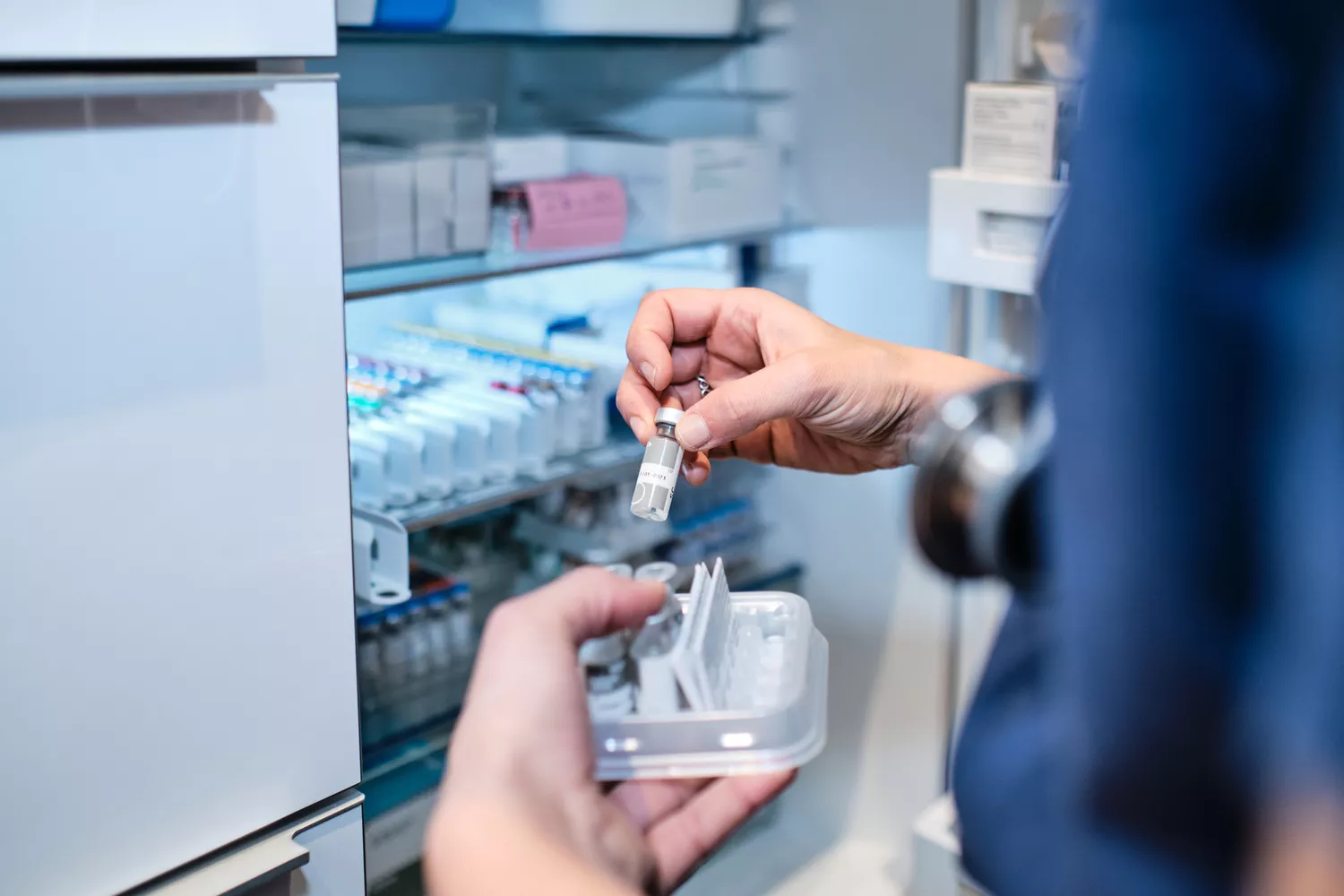
After the order is placed, the medication is shipped directly to your home. Because tirzepatide is a temperature-sensitive medication, it is shipped in specialized packaging to maintain cold chain storage requirements. Upon arrival, the vials should be placed in the refrigerator immediately.
Manual Administration: A Step-by-Step Guide
The most significant physical change for patients switching from pens to Zepbound vials is the manual injection process. While auto-injectors handle the needle insertion and medicine delivery with a simple click, vials require you to draw the medication into a syringe yourself. This might seem intimidating at first, but with a little practice, it becomes a simple addition to your weekly routine.
To begin, you will need a few essential supplies that do not come with the medication: insulin syringes (typically 0.5 mL or 1 mL capacity with a 31-gauge needle) and alcohol swabs. Ensure you are using the correct insulin syringe usage guidelines provided by your pharmacist or healthcare provider.
- Wash your hands thoroughly with soap and water before handling any supplies.
- Clean the rubber stopper of the Zepbound vial with a fresh alcohol swab.
- Remove the cap from the insulin syringe and pull the plunger back to the line that matches your dose, filling the syringe with air.
- Push the needle through the rubber stopper and inject the air into the vial; this balances the pressure and makes it easier to withdraw the liquid.
- Turn the vial and syringe upside down. Pull the plunger back slowly to draw the medication into the syringe, ensuring you reach the exact dose prescribed.
- Check for air bubbles. If you see any, gently tap the side of the syringe so they rise to the top, then push a tiny amount of liquid back into the vial to expel the air.
- Clean your injection site (usually the abdomen, thigh, or back of the arm) with an alcohol swab and allow it to dry.
- Perform the subcutaneous administration by pinching a fold of skin and inserting the needle at a 90-degree angle. Push the plunger down completely.
- Dispose of the used syringe in a puncture-resistant sharps container.
While the zepbound single dose vial administration vs auto injector experience involves more steps, many patients find that manual syringes actually cause less discomfort. The needles used for manual injections are often thinner and allow the user to control the speed of the injection, reducing the "sting" sometimes associated with the high-pressure spring of an auto-injector.
FAQ
Are Zepbound vials currently available?
Yes, Zepbound vials are currently available for purchase through the LillyDirect self-pay platform. They were introduced to provide a more affordable option for patients who do not have insurance coverage for weight loss medications. Availability may vary based on national supply levels, but the vial format was specifically launched to help meet the high demand for tirzepatide.
How do you administer Zepbound from a vial?
Administering Zepbound from a vial requires the use of a separate insulin syringe. You must clean the vial stopper, draw the correct amount of medication into the syringe, and perform a subcutaneous injection into the fatty tissue of the stomach, thigh, or upper arm. Unlike the auto-injector pen, which has a hidden needle, the vial method requires manual handling of the syringe and needle.
What doses of Zepbound are available in single-dose vials?
Currently, Zepbound vials are primarily offered in the 2.5 mg and 5 mg strengths to help new patients begin their treatment. Higher maintenance doses, including 7.5 mg, 10 mg, 12.5 mg, and 15 mg, are also part of the expanded pricing program through LillyDirect to ensure patients can continue their dose escalation as recommended by their physician.
Are Zepbound vials cheaper than the pre-filled pens?
Yes, Zepbound vials are significantly cheaper for patients paying out-of-pocket. While the list price for auto-injector pens is over $1,000, the vials are priced at $299 for the 2.5 mg dose and $399 for the 5 mg dose. Maintenance doses are available for $449 per month, provided the patient follows the specific refill rules through the LillyDirect self-pay channel.
Conclusion: Navigating Your Weight Loss Journey in 2026
The shift toward Zepbound vials represents a pivotal moment in the accessibility of modern weight loss medicine. By prioritizing cost efficiency and list price transparency, the manufacturer has created a sustainable pathway for patients who were previously priced out of the market. While the transition from an auto-injector to a manual syringe involves a small learning curve, the financial relief and the ability to maintain consistent treatment far outweigh the minor inconvenience of manual administration.
As we move through 2026, the Zepbound vials model serves as a blueprint for how pharmaceutical companies can address the needs of the uninsured and underinsured. By adhering to the 45-day refill rule and utilizing the direct-to-consumer benefits of LillyDirect, you can take control of both your health and your finances. Chronic weight management is no longer a luxury reserved for those with premium insurance; with these single-dose options, it is a reachable goal for anyone committed to their long-term well-being.